

 한국어
한국어  English (UK)
  Italiano
  Français
  简体中文
简体中文 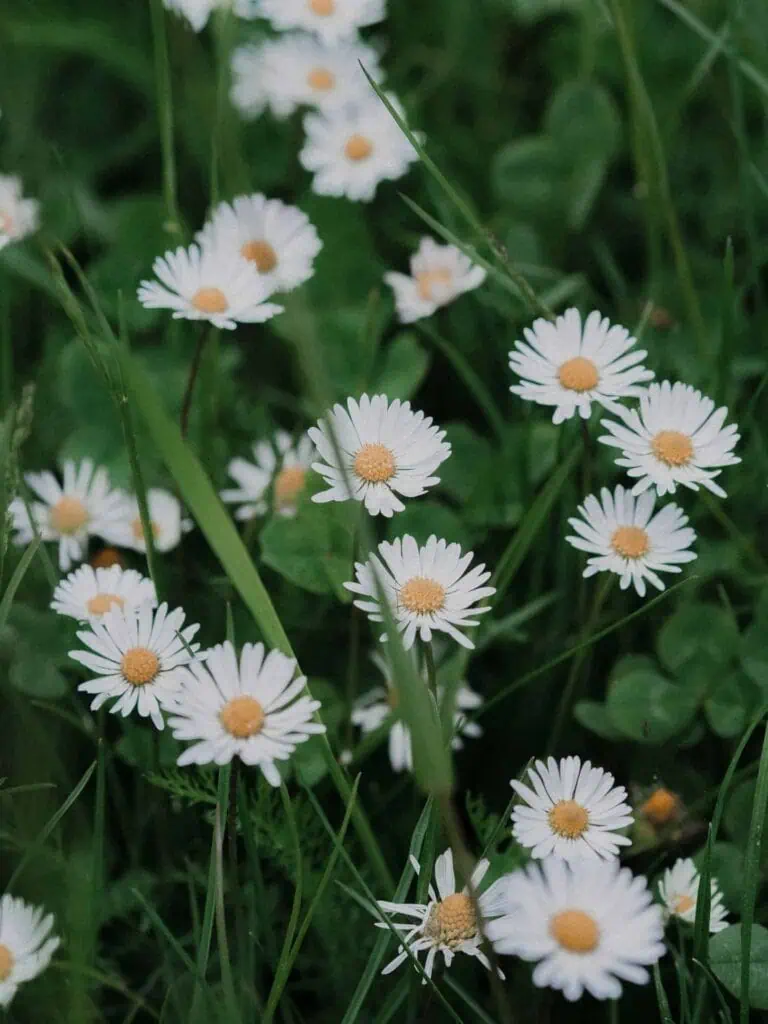
데이지 꽃: 재배법과 데이지 꽃을 먹이로 삼는 꿀벌에 관한 종합 가이드
이 가이드에서
주요 내용
- "데이지"는 하나의 꽃이 아니라 수십 개 또는 수백 개의 작은 꽃들 하나의 꽃차례에 빽빽이 모여 있는, ‘복합꽃차례’ 또는 ‘꽃머리’라고 불리는 식물 공학의 경이로운 산물입니다.
- 데이지꽃은 국화과, 지구상에서 가장 큰 식물 과 중 하나입니다. 잔디 데이지, 소눈 데이지, 샤스타 데이지, 애스터, 심지어 해바라기 모두 데이지입니다.
- 그 평평하고 탁 트인 모양이 데이지의 특징입니다 꿀벌에게 아주 훌륭한 먹이, 짙은 꿀과 꽃가루가 가득한 곳 위에 자리 잡은 접근하기 쉬운 착륙대.
- 잔디밭에 데이지꽃을 피우게 하기 (그 '5월 한 달 동안 잔디 깎기 금지' (이 아이디어)는 수분 매개자를 위해 할 수 있는 가장 간단한 일 중 하나입니다.
- 국화과 식물들은 심지어 우리 꿀단지도 가득 채웁니다. 들국화는 우리 야생화 꿀, 그리고 해바라기는 우리에게 해바라기 꿀.
가장 친근한 꽃 영국에서
아이에게 꽃을 그려 보라고 하면, 거의 항상 데이지 그림을 그립니다. 노란 꽃술 주위를 하얀 꽃잎이 둘러싼 모습 말이죠. 데이지는 전 세계에서 가장 눈에 띄는 꽃으로, 봄부터 가을까지 잔디밭과 초원, 길가에 널려 있지만, 정작 식물학계의 가장 큰 비밀 중 하나를 숨기고 있습니다. 이에 대해서는 잠시 후에 다루겠습니다. 때때로 주장되는 것처럼 "희귀하고 이국적인" 꽃과는 거리가 먼 데이지꽃은 놀라울 정도로 흔한 꽃이며, 바로 그 점이 벌들에게 이 꽃을 그토록 소중하게 만드는 이유입니다. 이 가이드에서는 데이지의 실제 정체, 같은 이름을 가진 다양한 식물들, 수분 매개자들이 데이지를 좋아하는 이유, 재배 방법, 그리고 데이지과 식물이 어떻게 꿀 한 병 속에 담기게 되는지에 대한 놀라운 사실들을 다룹니다. 배경 지식을 쌓기 위해, 저희 가이드에서 꽃과 꿀벌이 서로 어떻게 의존하고 있는지 확인해 보세요. 꽃과 벌.
데이지란 무엇인가, 정말요?
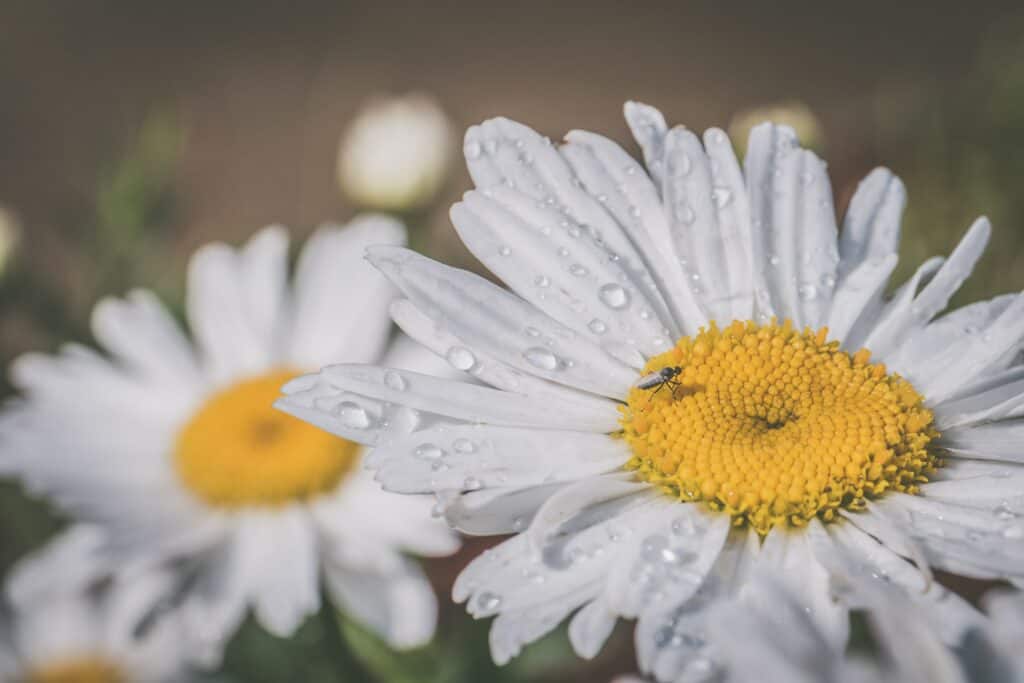
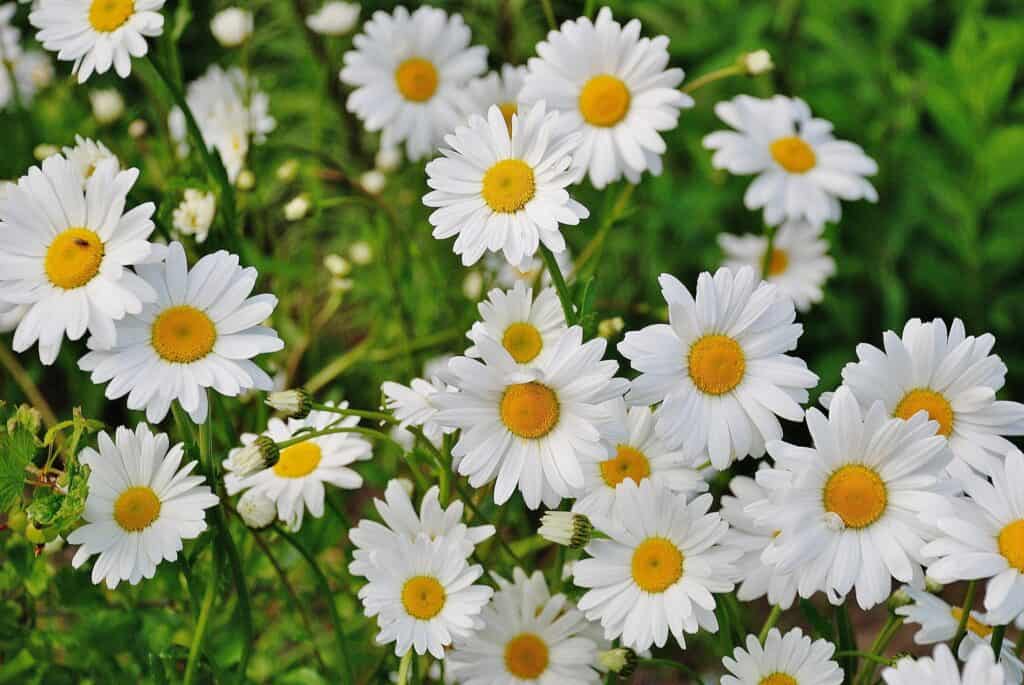
비결은 바로 이것입니다. 한 송이의 데이지 꽃처럼 보이는 것은 사실 빽빽하게 모여 있는 수많은 개별 꽃들. 식물학자들은 이 구조를 꽃차례, 그리고 이 용어가 지칭하는 국화과, 즉 국화과 (이전 명칭은 Compositae, 즉 "복합화과")는 이 식물에서 이름을 따왔습니다. 가장자리를 둘러싼 각 흰색 "꽃잎"은 그 자체로 하나의 완전한 꽃이며, 레이 플로렛, 그리고 황금빛 중심부는 수십 개에서 수백 개에 이르는 아주 작은 조각들로 빽빽하게 이루어진 모자이크입니다. 원반형 꽃잎, 각각은 고유한 꿀과 꽃가루를 지닌 기능적인 꽃입니다. 한 송이의 옥아이 데이지에는 수백 개의 작은 꽃이 모여 있습니다.
이 디자인은 효율성의 걸작입니다. 수백 송이의 작은 꽃을 하나로 묶어 화려하고 평평한 표면을 만들어낸 데이지꽃은 마치 하나의 커다란 꽃처럼 자신을 드러내면서도, 수분 매개체에게 한 번에 한 끼 식사를 제공하는데, 식물학자들은 이를 "조립 라인식" 수분이라고 멋지게 부릅니다. 이 과는 25,000종에서 32,000종에 달하는 방대한 종을 보유하고 있어, 난초과에 이어 두 번째로 규모가 크며, 남극 대륙을 제외한 모든 대륙에 분포합니다. 이름 자체만으로도 시와 같은 아름다움을 지니고 있는데, "데이지(daisy)"는 고대 영어에서 유래한 말입니다. 다에게스 에게, "하루의 눈"이라 불리는 이유는, 일반 데이지꽃이 새벽에 꽃잎을 펼치고 해질녘에 다시 접기 때문이다.
다음 인물을 만나보세요 데이지
이 식물군의 범위가 매우 넓기 때문에 "데이지"라는 이름 아래 다양한 종류의 식물이 포함됩니다. 그중에서도 가장 흔히 볼 수 있는 몇 가지는 다음과 같습니다:
- 일반 데이지 또는 잔디 데이지 (벨리스 페레니스). 영국 잔디밭에서 흔히 볼 수 있는 작고 흰색과 금색이 어우러진 데이지로, 다년생이며 강인하고, 기후가 온화한 곳에서는 거의 일 년 내내 꽃을 피웁니다. 이 식물이 바로 이 식물군의 영어 이름이 유래된 원형입니다.
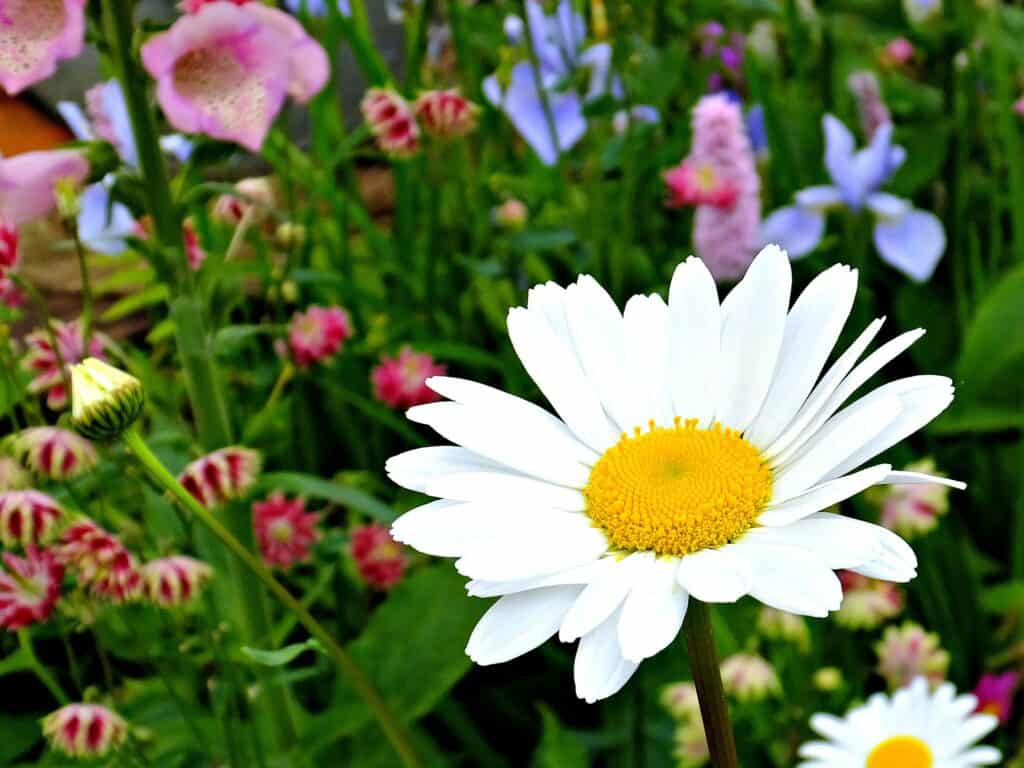
- 옥아이 또는 문 데이지 (Leucanthemum vulgare). 키가 크고 고전적인 매도우 데이지. 토종 야생화이자 수분 매개자들을 끌어모으는 꽃입니다. 바로 이 꽃이 여기 사진에 나온 것이며, RHS의 수분 매개자를 위한 식물 가장 좋아하는 것.
- 샤스타 데이지 (Leucanthemum × 슈퍼범). 1890년대에 루터 버뱅크가 육종한 크고 굵직한 보더 데이지로, 꽃꽂이용으로 큰 사랑을 받고 있다.
- 애스터와 미카엘마스 데이지. 가을철 말 무렵, 먹이가 부족해질 때 꿀벌과 나비에게 먹이를 제공하는 가을에 피는 데이지.
- 콘플라워 (에키네시아)와 블랙아이드 수잔(루드베키아). 중앙부가 볼록하게 튀어나온 프레리 데이지로, 늦여름에 활동하는 수분 매개 곤충들에게 안성맞춤입니다.
- 해바라기 (Helianthus). 네, 데이지도 있었어요. 정말 엄청나게 큰 데이지였는데, 그게 바로 우리… 해바라기 꿀.
- 그리고 더 넓은 가족: 마르그리트, 아프리카 데이지 (오스테오스페르무), 거베라, 피버퓨, 카모마일, 금잔화, 그리고 국화, 민들레, 상추, 아티초크와 함께.
가족 모두에게 해당되는 간단한 주의 사항을 하나 말씀드리자면: 중심부가 열린 단일 형태의 품종이, 밀집 재배된 "이중" 품종보다 꿀벌에게 훨씬 더 좋습니다., 이는 종종 꿀벌이 필요로 하는 작은 꽃송이를 가려버리거나 없애버리기도 합니다. 야생 옥아이 데이지와 샤스타 데이지 한 송이는 수분 매개체에게 있어 금과도 같은 존재이지만, 주름진 이중 꽃잎의 거베라는 아무리 아름다워도 그 가치가 거의 없습니다. 우리는 바로 이러한 기준을 바탕으로 수십 종의 정원 꽃을 평가하고 있습니다. 벌들이 좋아하는 꽃. 이런 심층 분석이 마음에 드신다면, 다음을 비롯해 다른 정원 꽃들에 대한 가이드도 준비되어 있습니다. 백합 그리고 튤립 ~에 난초.
왜 벌일까? 데이지꽃을 사랑해요
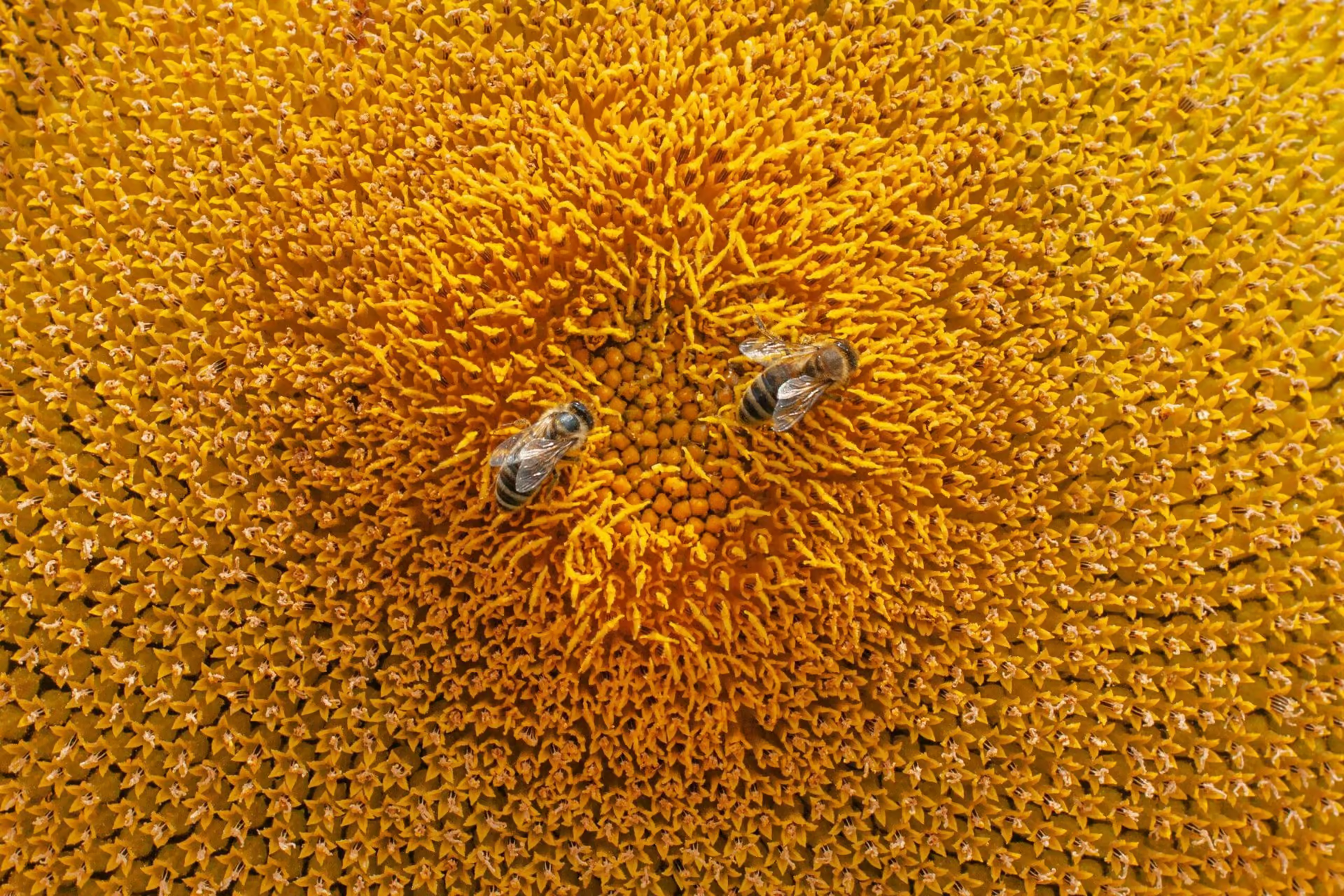
데이지꽃은 꽃 중에서도 벌에게 가장 친화적인 꽃 중 하나인데, 그 이유는 바로 그 복합적인 구조 때문입니다. 데이지꽃에 내려앉은 벌은 넓고 평평한 발판을 발견하게 되며, 발 아래에는 빽빽하게 펼쳐진 꽃잎들이 있어 날아가지 않고도 차례차례 꿀을 빨아들일 수 있습니다. 이것이 바로 앞서 언급한 "조립 라인" 방식의 채집입니다. 이를 혀가 짧은 벌이 닿을 수 없는 깊고 관 모양의 꽃과 비교해 보면, 왜 데이지꽃이 곤충 세계에서 가장 ‘민주적인’ 꽃인지 알 수 있습니다. 바로 서양꿀벌, 다음과 같은 땅벌들, 예를 들어 붉은꼬리 땅벌 그리고 일반 카더벌레, 독거벌, 꽃파리, 나비 등이 모두 이곳을 이용할 수 있습니다.
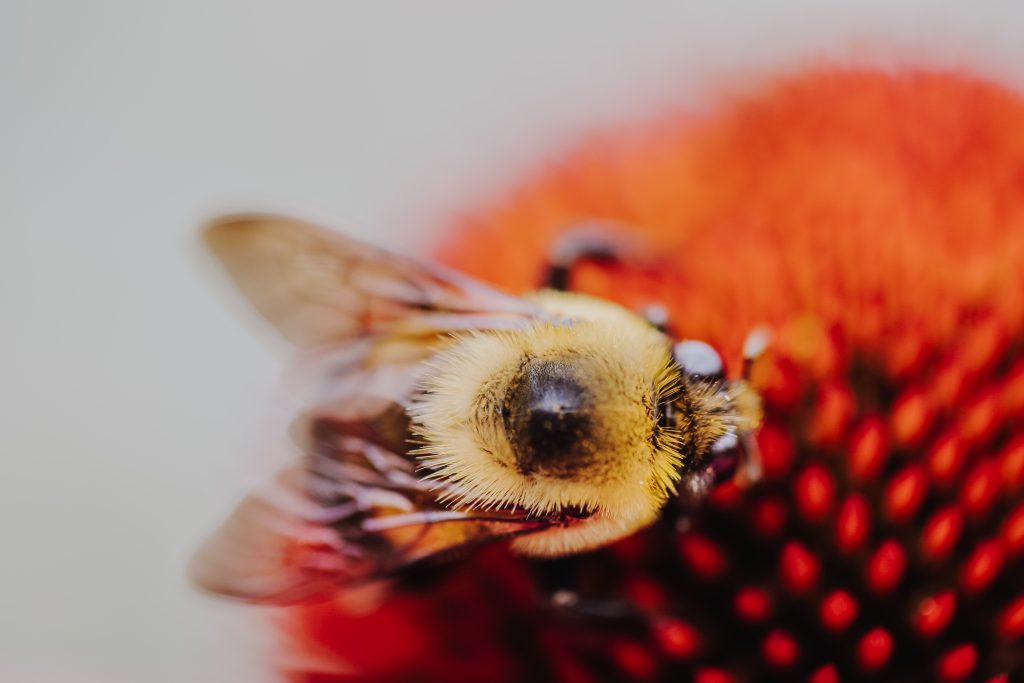
꿀벌은 색과 빛에 이끌립니다. 꿀벌은 파란색, 보라색, 자외선을 가장 잘 보지만 사실상 빨간색은 구분하지 못합니다. 또한 많은 데이지에는 우리 눈에는 보이지 않는 자외선 "꿀 안내 표시’가 있어 꽃의 중심을 정확히 가리킵니다. 흰색과 노란색이 어우러진 데이지 꽃은 꿀벌의 눈에는 거의 빛을 내는 것처럼 보입니다. 또한 데이지류는 개화 기간이 긴 편이며, 온화한 영국의 기후에서는 잔디 데이지조차 거의 매달 피어 오르기 때문에, 다른 꽃들이 피고 지는 동안에도 신뢰할 수 있는 먹이원이 됩니다. 꿀벌이 데이지의 꿀을 어떻게 꿀로 만드는지 알아보려면, 다음을 읽어보세요. 꿀벌이 꿀을 만드는 방법, 그리고 직접 채집가들을 만나보세요, 바로 노랑꼬리 땅벌 그리고 황갈색 채굴벌 가을 하늘을 나는 아이비 비, 저희의 꿀벌에 관한 완전한 안내서, 그리고 다음 사이트에서 가까운 곳에 사는 사람들이 누구인지 확인해 보세요: 영국 꿀벌 지도.
데이지꽃은 진정한 ‘민주주의의 꽃’입니다. 어떤 벌이라도 이용할 수 있을 만큼 소박하면서도, 모든 벌에게 먹이를 줄 만큼 너그러운 꽃이죠.
HoneyBee & Co.데이지 잔디밭 그리고 ‘5월은 잔디 깎지 않기’
수십 년 동안 잔디밭에 피어난 데이지꽃은 제초제로 없애야 할 존재로 여겨져 왔습니다. 하지만 그런 인식은 빠르게 바뀌고 있으며, 그럴 만한 타당한 이유가 있습니다. 다음과 같은 캠페인들 덕분에 '5월 한 달 동안 잔디 깎기 금지', 자연 보전 자선 단체인 플랜트라이프(Plantlife)가 운영하는 이 캠페인은 봄이 되면 잔디 깎는 기계를 치워두고 잔디밭 데이지, 클로버, 민들레, 셀프힐이 꽃을 피우도록 내버려 두라고 권장합니다. 그 결과 뒷문 바로 밖에서 무료로, 별다른 노력 없이도 수분 매개체들을 위한 풍성한 잔치가 펼쳐지는데, 이는 바로 벌들이 한 해 초 굶주리기 쉬운 몇 주를 버티는 데 도움이 되는 바로 그 종류의 먹이입니다.
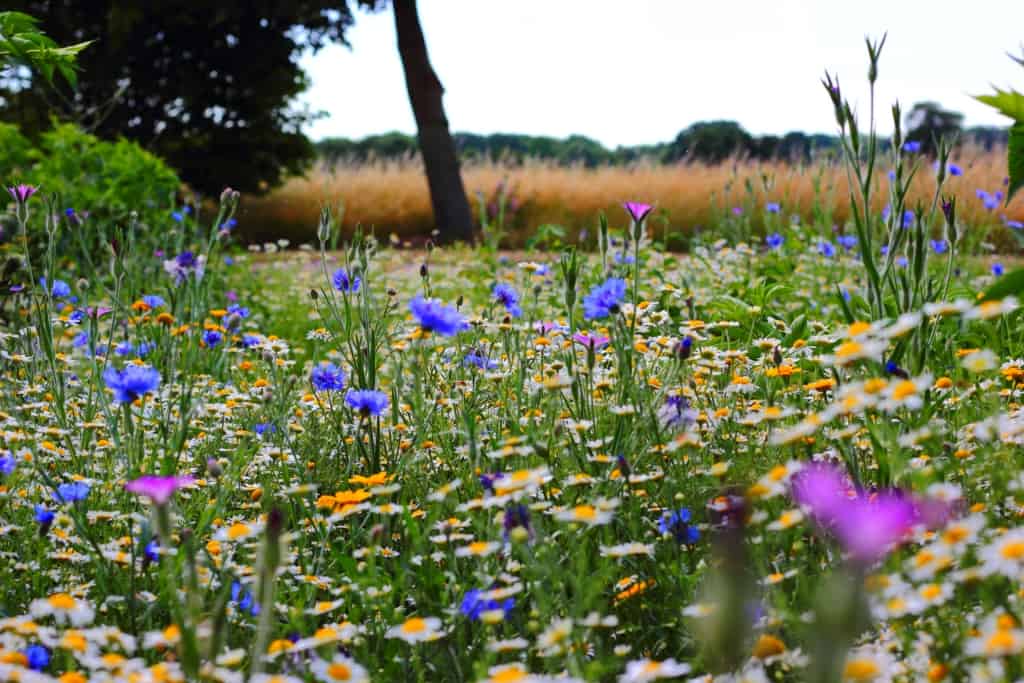
이를 위해 정원 전체를 방치할 필요는 없습니다. 잔디를 깎지 않은 구역을 남겨두거나, 깎는 빈도를 줄이거나, 칼날 높이를 높게 설정해 깎기만 해도 데이지꽃이 피게 하면서도 정돈된 모습을 유지할 수 있습니다. 데이지꽃이 점점이 피어 있는 잔디밭은 방치된 잔디밭이 아니라, 잘 가꿔진 잔디밭입니다. 더 나아가고 싶다면, 당사의 가이드를 참고해 보세요. 정원에 벌을 유인하는 방법 그리고 꿀벌 개체수가 감소하는 이유 사소한 변화가 어떻게 쌓여가는지, 그리고 우리의 벌이 없는 접시 이 도구는 우리가 그들을 잃게 될 경우 어떤 위험이 따르는지 보여줍니다.
방법 데이지 키우기
데이지의 매력 중 하나는 키우기 정말 쉽다는 점입니다. 대부분의 데이지들은 똑같이 단순한 것들, 즉 개방적이고 햇볕이 잘 드는 곳 그리고 배수가 잘 되는 토양. 그 외에도 유형에 따라 접근 방식이 조금씩 다릅니다.
- 잔디 데이지 (벨리스) 도움이 전혀 필요하지 않습니다. 저절로 자라날 것입니다. 잔디의 성장을 돕기 위해서는 잔디 깎는 횟수를 줄이고 잔디용 제초제 사용을 피하기만 하면 됩니다.
- 옥아이 데이지 야생화 군락이나 초원에 심기에 안성맞춤입니다. 가을이나 봄에 비옥하지 않은 토양에 씨를 뿌리고(비옥한 땅에서는 꽃보다 풀이 더 잘 자랍니다), 자연적으로 번식하도록 두세요.
- 샤스타 데이지 경계에 심기에 적합합니다. 봄에 심고, 뿌리가 잘 내릴 때까지 물을 주며, 여름 내내 시든 꽃을 잘라내면 계속 꽃이 피어납니다. 또한 2~3년마다 봄이나 가을에 뿌리덩이를 나누어 심어 식물이 활기차게 자라도록 관리하십시오.
요약하자면, 돌봄이란: 새로 심은 식물은 첫 해 동안 물을 주되, 그 이후에는 대부분의 데이지 종류가 가뭄에 강합니다. 화단용 데이지의 꽃이 더 오래 피도록 시든 꽃은 잘라내되, 가을에는 핀치들을 위해 그리고 식물이 스스로 씨를 뿌릴 수 있도록 일부 씨방은 남겨두세요. 빽빽하게 자란 덩어리는 나누어 심어 식물을 활력 있게 가꾸세요. 비료를 과도하게 주지 마세요. 비옥하지 않은 토양에서 더 튼튼한 식물이 자라며, 야생 환경에서는 더 풍성한 꽃을 피웁니다. 또한 꿀벌을 유인할 계획이라면 단꽃 품종을 선택하세요.
데이지 가족 꿀벌 달력
국화과 식물은 종류가 매우 다양하고 폭이 넓기 때문에, 이 식물들만으로도 일 년 중 대부분 동안 꿀벌에게 먹이를 공급할 수 있습니다. 다음은 전적으로 국화와 그 가까운 친척 식물들로만 구성된 간단한 식재 계획입니다.
| 시즌 | 데이지과 식물 | 꿀벌에게 제공하는 것 |
|---|---|---|
| 이른 봄 | 잔디 데이지(Bellis), 쇠똥풀, 민들레 | 새로 부화한 여왕벌에게 공급할 수 있는 가장 초기의 꽃가루 중 일부 |
| 늦은 봄 | 옥아이 데이지, 데이지 플리베인 | 계절이 깊어감에 따라 펼쳐지는 넓은 초원의 목초 |
| 여름 | 샤스타 데이지, 마거리트, 금잔화, 피버퓨 | 오랫동안 꾸준히 공급되는 꿀과 꽃가루 |
| 늦여름 | 해바라기, 에키네시아, 루드베키아, 코스모스 | 수분 활동이 한창인 시기에 꽃이 활짝 피어 꽃가루가 풍부한 꽃송이 |
| 가을 | 애스터와 마이클마스 데이지 | 다른 꽃이 거의 피지 않을 때 꼭 필요한 늦은 시기의 사료 |
~에 심으세요 풍성한 덩이 꿀벌이 꽃을 쉽게 찾아 효율적으로 일할 수 있도록 한 송이씩 피는 꽃보다는 여러 송이가 한데 모여 피는 꽃을 선택하고, 가능한 한 매달 이 식물군 중 하나가 꽃을 피우도록 하세요. 데이지류 외에도 꿀벌이 좋아하는 라벤더, 보리지, 헤더와 함께 심으면 늦겨울부터 첫 서리가 내릴 때까지 정원이 꿀벌들의 윙윙거리는 소리로 가득 찰 것입니다. 저희의 헤더 재배 가이드 역대 최고의 동반자 중 한 명을 다룹니다.
민속학, 상징주의 및 언어
데이지만큼 문화적 의미가 깊은 꽃은 거의 없습니다. 해가 뜨면 꽃이 피기 때문에, 이 꽃은 ~의 상징이 되었습니다. 순수함, 청순함, 그리고 새로운 시작, 그리고 데이지의 "하루의 눈’이라 불리는 생김새는 데이지에게 "하루의 눈"이라 선언한 초서부터 시작해 수많은 시인들을 매료시켰다. 북유럽 전통에서 데이지꽃은 사랑과 다산의 여신 프레이야에게 신성한 꽃이었는데, 이것이 데이지꽃이 모성과 출산을 상징하게 된 이유 중 하나이기도 하다.
이는 일상생활 속에서도 드러납니다. 여러 세대의 아이들이 줄줄이 이어져 왔습니다 데이지 체인 그리고 "사랑해, 사랑 안 해"라는 구절에 맞춰 꽃잎을 하나씩 뜯어냈는데, 프랑스 사람들은 이 놀이를 데이지 꽃잎을 하나씩 떼어내다, 옥아이 데이지(oxeye daisy)의 이름에서 유래한 것으로, 이 꽃의 이름에서 여자아이 이름인 마가렛(Margaret)과 그 애칭인 데이지(Daisy)도 유래했습니다. 일반적인 데이지란 네덜란드의 국화, 전통적인 4월의 탄생화, 그리고 이와 관련된 개화 현상은 결혼 5주년. 대부분의 사람들이 그냥 지나쳐 버리는 꽃 치고는 나쁘지 않네요.
데이지들은 먹을 수 있나요?
일반 데이지 (벨리스 페레니스)는 비교적 잘 알려진 식용 꽃 중 하나입니다. 어린 잎은 부드럽고 은은한 신맛이 나며, 꽃잎은 이 페이지의 초기 버전에서 제안한 것처럼 샐러드 위에 뿌리거나 케이크 장식으로 사용하면 예쁘고 후추 같은 풍미를 더해줍니다. 다른 야생 식물과 마찬가지로, 확실히 식별할 수 있고 농약이 뿌려지지 않았으며 깨끗이 씻은 데이지만 섭취해야 하며, 언제나 그렇듯 새로운 음식은 적당량만 섭취하는 것이 좋습니다.
데이지과 역시 오랜 민속적 역사를 지니고 있습니다: 벨리스 페레니스 한때 "브루이즈워트(bruisewort)"라는 별명이 붙었던 이 식물군의 여러 친척 식물들은 부엌과 정원의 필수품이 되었는데, 카모마일은 마음을 편안하게 해주는 차로 우려 마셨고, 금잔화 꽃잎은 버터와 쌀에 색을 입혔으며, 이 식물군에서는 상추, 아티초크, 치커리도 얻을 수 있었습니다. 우리는 약초 전문가라기보다는 양봉가들이기 때문에 구체적인 건강 효능에 대한 주장은 전문가들에게 맡기겠지만, 이 소박한 식물군이 언제나 얼마나 유용했는지를 다시금 상기시켜 주는 일입니다.
메도우에서 Jar로
우리에게 데이지꽃은 단순히 예쁜 피사체가 아니라 공급망의 일부입니다. 옥아이 데이지가 점점이 피어 있는 여름 초원은 바로 양질의 꿀을 생산하는 데 필요한, 다양하고 농약 사용이 적은 사료의 전형이며, 이러한 다양한 꽃들은 그대로 우리 야생화 꿀. 그리고 해바라기는 그저 거대한 데이지일 뿐이라는 점을 기억하세요: 우리의 해바라기 꿀 사실상 데이지과에서 채취한 꿀입니다.
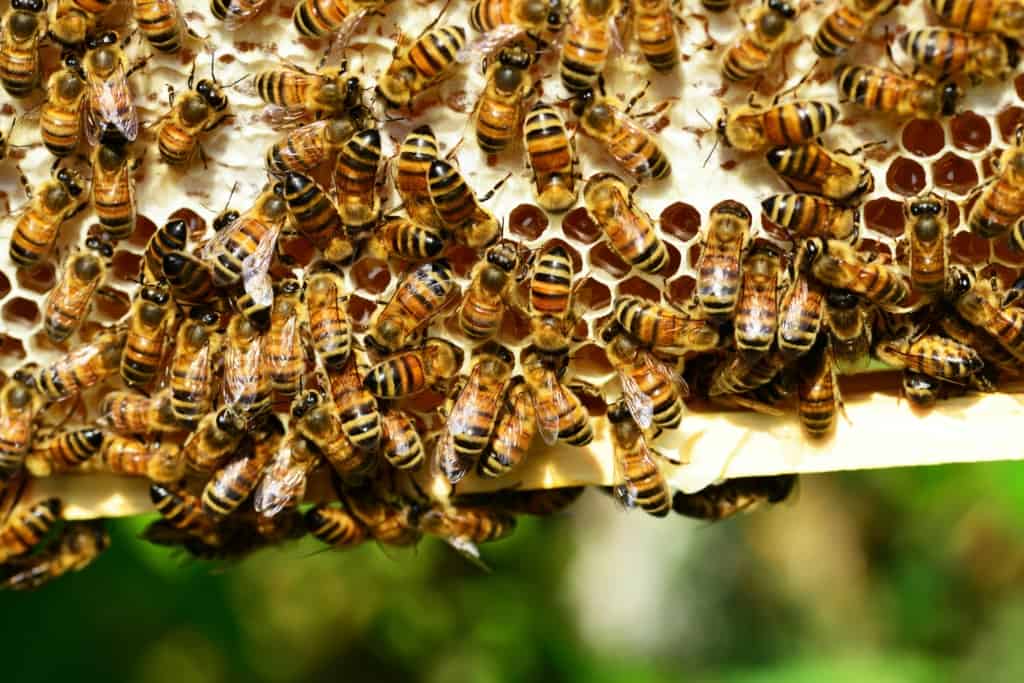
이것이 바로 우리가 하는 모든 일에 적용되는 원칙입니다. 데이지와 클로버 등 다양한 꽃이 만발한 건강하고 풍요로운 땅은 건강한 꿀벌과 소장 가치가 있는 꿀을 만들어 냅니다. 그렇기 때문에 저희는 이러한 서식지를 보호하는 양봉가들과 협력하며, 저희 꿀은 가공되지 않은 생꿀로 여과 과정을 거치지 않았으며, 어느 벌통에서 생산되었는지 추적할 수 있습니다. 자세한 내용은 다음에서 확인하실 수 있습니다. 생꿀 대 일반 꿀, 또는 간단히 제품 라인업 둘러보기.
초원의 맛을 느껴보세요: 데이지과 꽃에서 채취한 꿀과 그 밖의 다양한 꿀
꽃이 풍부하고 화학 물질 사용이 적은 땅에서 꿀벌들이 채집한 원액 싱글 오리진 꿀입니다. 초원이 주를 이루는 ‘와일드플라워’나 국화과 식물에서 채취한 ‘해바라기 꿀’부터 시작해 보세요. 280g 용기, 3개 이상 구매 시 영국 내 무료 배송.
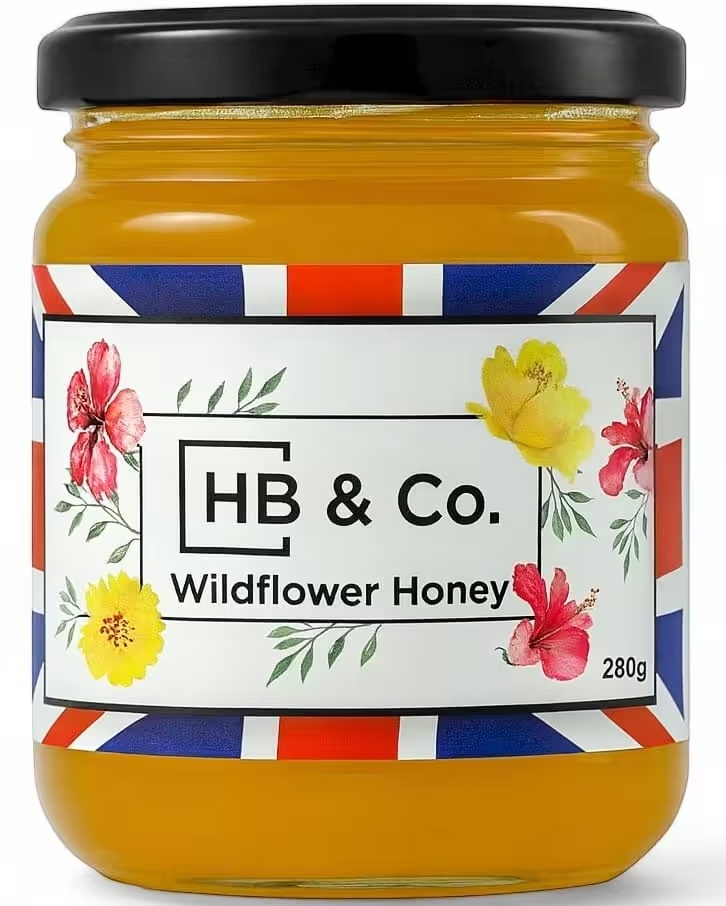
야생화 꿀
초원의 꽃들, 그중에서도 산제비꽃의 향기를 머금고 있다.
지금 쇼핑하기 ›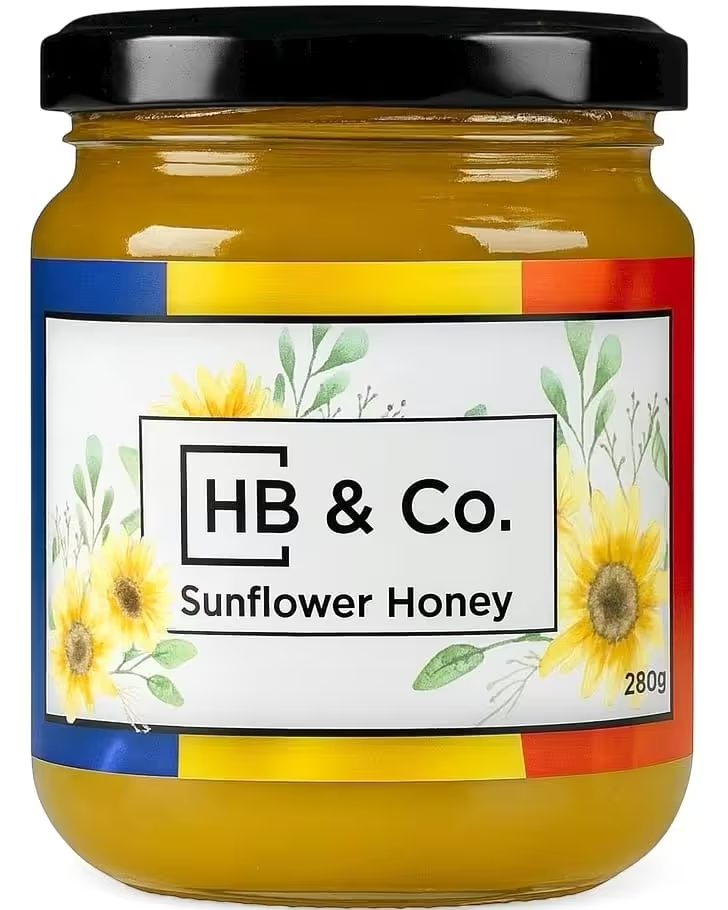
해바라기 꿀
해바라기, 국화과에서 가장 거대한 꽃. 밝고, 따뜻하며, 황금빛입니다.
지금 쇼핑하기 ›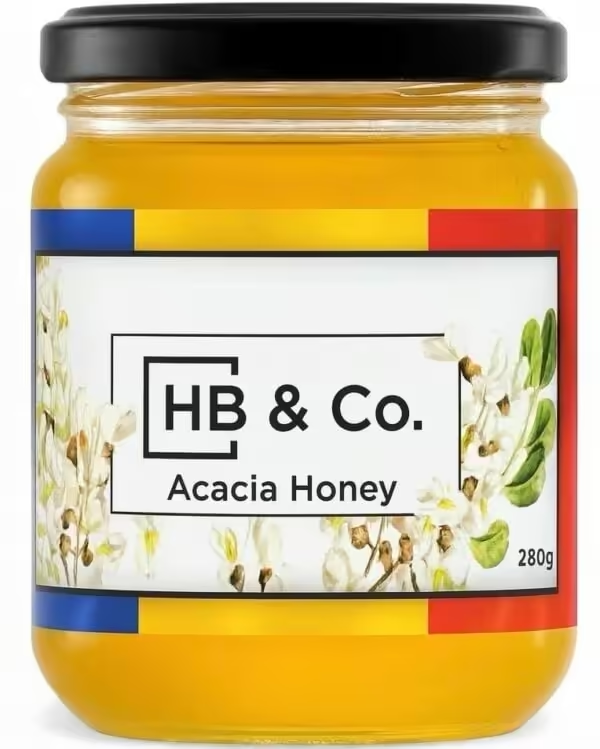
아카시아 꿀
은은하고 가벼우며 꽃향기가 난다. 결정화가 느리다.
지금 쇼핑하기 ›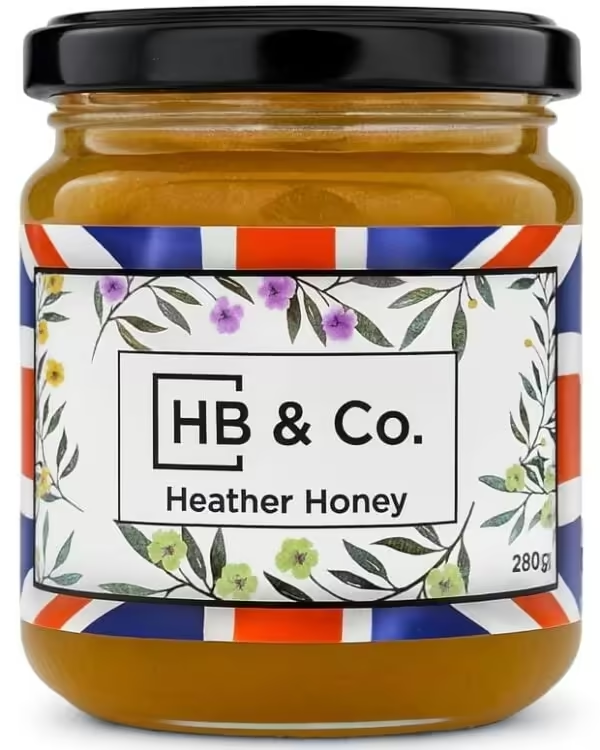
헤더 허니
영국 황야에서 자란, 짙은 향이 나고 체구가 단단한 품종입니다.
지금 쇼핑하기 ›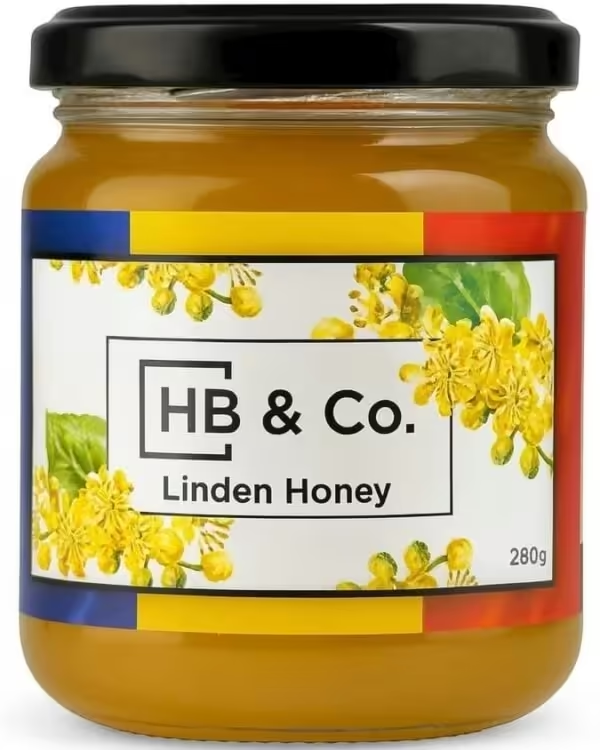
린든 꿀
밝은 황금색을 띠며, 라임꽃 향이 은은하게 감도는 끝맛이 특징입니다.
지금 쇼핑하기 ›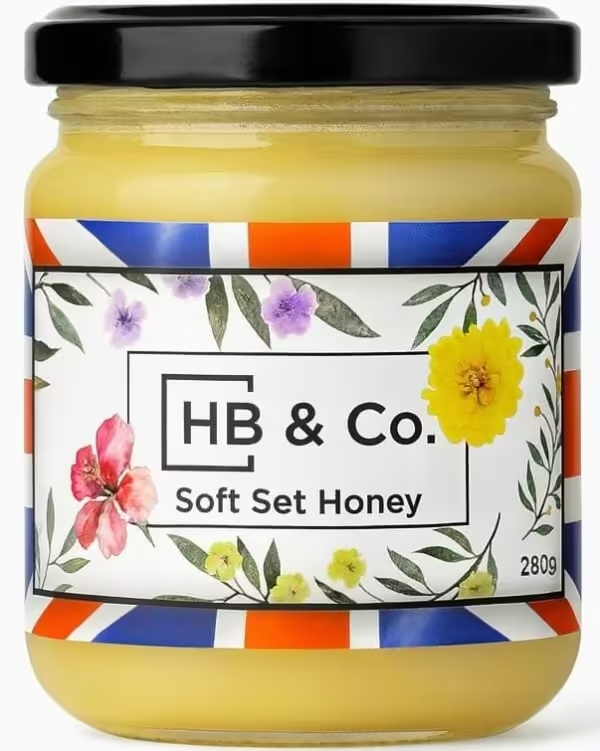
부드러운 질감의 꿀
매끄럽고 발림성이 좋으며, 은은하게 고정됩니다.
지금 쇼핑하기 ›다섯 가지 오해 데이지 꽃에 대하여
오해 1: "데이지 한 송이는 하나의 꽃이다."
정반대입니다. 데이지의 꽃송이 하나하나가 수십 개에서 수백 개에 달하는 작은 꽃들로 이루어져 있으며, 하얀 뾰족꽃잎과 황금빛 중심꽃잎이 모두 조화를 이루고 있습니다. 여러분이 보고 계신 것은 하나의 꽃으로 위장한 온전한 꽃다발인 셈입니다.
오해 2: "데이지꽃은 희귀하고 이국적이다."
데이지꽃은 지구상에서 가장 흔하고 널리 분포하는 꽃 중 하나로, 남극대륙을 제외한 모든 대륙에서 발견됩니다. 이러한 풍부함은 결점이 아니라 오히려 장점이며, 바로 그 덕분에 데이지꽃은 꿀벌에게 믿을 만한 먹이가 되는 것입니다.
오해 3: "잔디밭에 피어 있는 데이지들은 제거해야 할 잡초다."
잔디밭에 피는 데이지꽃은 수분 매개체들에게 무료로 얻을 수 있고 관리하기 쉬운 먹이원입니다. 이 꽃들이 피도록 내버려 두는 "5월 한 달 동안 잔디 깎지 않기(No Mow May)" 운동은 비용도 들지 않고 수고도 없이 벌들을 돕는 방법입니다. 여기서 말하는 ‘잡초’란 단지 우리가 싫어하도록 배워온 장소에 피어난 꽃일 뿐입니다.
오해 4: "데이지에는 파란색과 빨간색이 있어요."
진정한 데이지의 꽃색은 대부분 흰색, 노란색, 분홍색 또는 보라색입니다. 사람들이 흔히 떠올리는 "파란 데이지’는 대개 애스터나 펠리시아이며, 빨간 "데이지’는 주로 거베라나 오스테오스페르뭄 품종입니다. 참고로, 꿀벌은 빨간색을 전혀 볼 수 없습니다.
오해 5: "모든 데이지꽃은 꿀벌에게 똑같이 좋습니다."
꽃잎이 한 겹인 데이지 품종은 훌륭하지만, 과도하게 개량된 이중 꽃 품종은 여분의 꽃잎 때문에 작은 꽃들이 밀려나 거의 쓸모가 없을 수 있습니다. 꿀벌을 중요하게 생각한다면 한 겹 꽃을 선택하세요. 참조 벌들이 좋아하는 꽃 자세한 내용은 여기를 참조하세요.
자주 묻는 질문 질문
데이지 한 송이는 꽃 하나인가, 여러 송이인가?
데이지꽃은 꿀벌에게 좋은가요?
잔디밭에 데이지꽃을 자라게 놔둬야 할까요?
잔디 데이지, 옥아이 데이지, 샤스타 데이지의 차이점은 무엇인가요?
데이지꽃은 언제 피나요?
데이지꽃은 먹을 수 있나요?
데이지 꿀이라는 게 있나요?
데이지꽃은 잡초인가요?

Dragos Nistor
Dragos Nistor는 Transylvanian 양봉 전통에 뿌리를 둔 6대에 걸친 양봉 유산을 바탕으로 설립된 가족 운영 꿀 브랜드 ‘HoneyBee & Co.’의 창립자입니다. 그는 벌집에서 병에 담기까지, 정제되지 않고 여과되지 않은, 원산지가 명확히 추적 가능한 꿀을 선보입니다.
그는 꿀과 벌, 그리고 가장 평범한 잔디밭 데이지부터 시작해 수분 매개자와 맛있는 음식이 모두 의존하는 꽃들에 대해 글을 쓴다. 저희의 이야기에 대해 더 알아보기.
참고 문헌 및 추가 자료
- 브리태니커 백과사전. 국화과(아스터, 데이지 또는 복합과). britannica.com
- 큐 왕립 식물원. ‘세계의 식물 온라인’: Bellis perennis. powo.science.kew.org
- 왕립원예협회. 레우칸테무스와 수분 매개자를 위한 식물. rhs.org.uk
- 플랜트라이프. ‘5월 한 달은 잔디 깎지 않기’와 ‘모든 꽃이 소중하다’. plantlife.org.uk
- 더 와일드라이프 트러스트. 옥아이 데이지. wildlifetrusts.org
- 우드랜드 트러스트. 데이지 (Bellis perennis). woodlandtrust.org.uk
- 『Annals of Botany』. 국화과 식물의 수분 생태학. academic.oup.com
- 브리태니커 백과사전. Bellis perennis (일반 데이지). britannica.com