
蜜蜂:全球指南
Everything known about the world’s 20,000 bee species. Their diversity, their biology, their decline, and their indispensable role in feeding humanity. Explore our tools, discover species, and understand what happens when bees disappear.
目录

全世界的蜜蜂种类
英国本土物种
需要授粉者的粮食作物
30 年间全球人口减少
1Three Guides. One Mission.
Built with peer-reviewed data and six generations of beekeeping knowledge.
- 世界蜜蜂地图集: native bee species and the share at risk, country by country.
- 英国蜜蜂分布: where Britain's 270 bee species live, region by region.
- 没有蜜蜂的盘子: what bee decline would take from 30 national cuisines.
220,000 Species. Seven Families.
蜜蜂并非单一物种。它们是一个包含超过20,000个已描述物种的目,2026年发表在《自然-通讯》上的一项研究目前估计其实际总数在24,700至26,000之间,体长从2毫米到38毫米不等, 从拥有80,000只成员的真社会性群落,到栖息在空蜗牛壳中的独居个体。它们栖息于除南极洲以外的所有大陆,并与被子植物共同进化了约1.3亿年。.
All bee species belong to seven families within the superfamily Apoidea. The vast majority of species are solitary. Fewer than 10% of bee species live in social colonies (Danforth et al., 2019). The popular image of bees as colony-dwellers reflects honeybees and bumblebees, which together represent a small fraction of bee diversity. The majority of the world’s bees nest alone in ground burrows, hollow stems, or cavities in wood and stone, living and dying without a colony structure of any kind.
最小的蜜蜂是 最小值 of the American Southwest, at just 2mm in length. The largest is Wallace’s Giant Bee, 巨型冥王星 在印度尼西亚,雌蜂体长可达38毫米,翼展为63毫米。尽管体型差异巨大,这两种蜜蜂都是有效的传粉者。体型大小决定了每种蜜蜂能够采蜜的花朵类型:小型蜜蜂能钻入细小的管状花中;大型蜜蜂则能撑开那些像弹簧一样闭合的花朵,而体型较小的种类则无法做到这一点。.
描述了全球 7 个科的蜜蜂物种
蜜蜂与开花植物共同进化的岁月
蜜蜂物种中,部分属于真社会性(Danforth 等,2019),其中大多数为独居性
在《世界自然保护联盟红色名录》中被列为濒危物种的物种
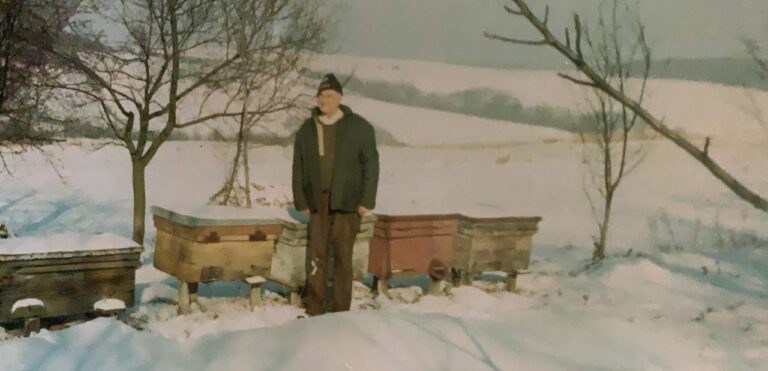
Six generations of this direct knowledge inform every jar of honey we produce and every piece of educational content on this page. The Nistor family’s beekeeping roots stretch back to landscapes that were already botanically rich long before industrial agriculture reduced wildflower diversity across most of Europe. That heritage matters to the science: Transylvania’s Carpathian meadows still support the kind of floral diversity that most bee populations in Western Europe no longer have access to.
七大家族
每种蜜蜂都属于七个科中的一个。每个科都有独特的解剖特征、筑巢行为和生态作用。它们共同构成了地球上最具生态重要性的昆虫类群之一。.
| 家庭 | 物种 | Example genera | In brief |
|---|---|---|---|
| 蛛形纲 | ~5 700 种 | Apis、Bombus、Xylocopa | 最大的家族。包括蜜蜂、熊蜂、木匠蜂和兰花蜂。生产所有商品蜂蜜。. |
| 鱵科 | ~4 500 种 | 萩烧, Lasioglossum | 汗蜂。通常呈金属绿色。种类繁多;从独居到原始群居都有。除南极洲外,各大洲都有分布。. |
| 鲵科 | ~3,000 种 | 安德列娜、佩尔蒂塔 | Mining bees. Primarily solitary ground-nesters. Perdita minima, the world’s smallest bee at 2mm, belongs here. |
| 目蜚蠊科 | ~4,000 种 | 茭白, Megachile | Mason and leafcutter bees. Carry pollen on their abdomens, not their legs. Includes Wallace’s Giant Bee, the world’s largest. |
| 鳗鲡科 | ~3,000 种 | 鹌鹑 | Plasterer and polyester bees. Line their nest cells with a cellophane-like secretion. Colletes hederae, the UK’s ivy bee, belongs here. |
| 黑蝠科 | ~200 种 | Melitta, Macropis | 采油蜂。专一的觅食者;许多蜜蜂只依赖一种植物属。在所有蜂科中适应范围最窄。. |
| 魟科 | ~21 种 | Stenotritus | 最小的家族。只在澳大利亚发现。快速飞行的寻食者。与其他科相比研究较少。. |
探究所有七个科中的物种 世界蜜蜂地图集, 可按属和国家过滤。英国的 Andrenidae、Apidae、Colletidae 和 Megachilidae 物种详细分布于 英国蜜蜂分布图.
3How Bees Pollinate
Pollination by bees is not incidental. It is a co-evolved relationship in which both parties benefit and upon which the majority of the world’s fruit and seed production depends.
蜜蜂采集花粉作为幼虫的蛋白质来源,采集花蜜作为飞行和维持蜂群的能量来源。蜜蜂在同种花朵之间移动时,花粉会附着在它们身体上的特殊结构上。大多数蜜蜂的后腿或腹部都长有分枝状的毛,这些毛密集地分布在花粉上。当蜜蜂连续采花时,其中一些花粉会沉积在下一朵花的粘性柱头上。如果花粉是相容的,就会发生受精,导致果实和种子的发育。.
这个过程比表面看起来更有效率。一只大黄蜂觅食者每次采50到1000朵花,每天采多次。一个由 5 万只蜜蜂组成的蜂群要生产一罐蜂蜜,需要访问多达 5 千万朵花。蜜蜂访花的规模意味着,即使蜜蜂数量略有减少,也会直接导致作物产量和果实质量明显下降。.
嗡嗡授粉或声波授粉是由熊蜂以大约 400 赫兹的频率进行的。西红柿、茄子、蓝莓和西葫芦都需要它。蜜蜂做不到。风也做不到。只有某些野生蜜蜂能做到。.
并非所有授粉方式都相同。一些农作物,包括西红柿、西葫芦、蓝莓和茄子,需要一种叫做嗡嗡授粉或声波授粉的特殊技术。蜜蜂抓住花朵的花药,以大约 400 赫兹的频率振动飞行肌肉,将花粉震散,否则花粉会被困住。熊蜂和某些独居物种会使用这种技术,但蜜蜂不会。风无法复制这种技术。这就是野生熊蜂种群对番茄生产至关重要的原因,即使在管理蜜蜂群丰富的地区也是如此。.
看看 "嗡嗡授粉 "是如何影响菜肴的 没有蜜蜂的盘子》系列. .意大利版涵盖了 椋鸟 意大利番茄生产的详细情况。.
4Why Bees Are Declining
据估计,在过去三十年中,全球野生蜜蜂数量减少了30%。世界自然保护联盟红色名录》将 700 多种蜜蜂列为濒危物种。在英国,有两个物种在 20 世纪灭绝,还有几个物种极度稀少。.
造成大部分损失的主要原因有四个。栖息地丧失是最主要的原因。在英国,自 20 世纪 30 年代以来,野花草地减少了 97%,使专门蜜蜂物种赖以生存的多样化花卉资源消失殆尽。食性要求狭窄的蜜蜂,如独居蜂 Andrena fulvescens, 在没有寄主植物的地方,它们无法生存。.
杀虫剂压力,尤其是来自新烟碱类杀虫剂的压力,已被广泛研究。亚致死接触会损害蜜蜂和熊蜂的导航、觅食效率和繁殖成功率。欧盟已禁止在户外使用几种新烟碱类杀虫剂;英国的监管立场自 2020 年起出现分歧。争论仍在继续,科学依据也在不断积累。.
疾病和寄生虫是第三个驱动因素。. Varroa destructor, 这种外来螨虫从亚洲蜜蜂传播到全球后,对全球管理蜜蜂和野生蜜蜂种群造成了严重破坏。 蜜蜂 20 世纪中期。. 陶瓷鼻疽, 一种微孢子虫真菌会削弱熊蜂群落。这两种病原体在一定程度上都是通过共同觅食花朵传播的,因此有管理的蜂巢放置密度确实是一个保护问题。.
Climate disruption compounds all three. Warming springs advance flower bloom dates, but bee emergence dates do not always follow at the same rate. When the timing mismatch between a specialist bee’s emergence and its host plant’s bloom exceeds a critical threshold, the bee cannot complete its life cycle. Alpine and Arctic species, including several UK bumblebee species, face range compression as suitable habitat shifts poleward faster than populations can migrate.
您可以探索哪些英国物种濒临灭绝,以及它们的残存种群集中在哪里。 英国蜜蜂分布图. .全球濒危物种记录在 世界蜜蜂地图集.
5Bees in Britain
Britain’s 270 bee species span 17 distinct recording regions, from the Hebridean machair to the Thames Estuary. The diversity is lower than continental Europe but includes several species found nowhere else in significant numbers.
Britain’s most familiar bee is the buff-tailed bumblebee, 椋鸟, 在花园和农田里一年四季都能看到。它的近亲是大黄蜂、, 喙鹎, 在苏格兰,"蝙蝠 "已经失去了超过 80% 的原英国分布区,现在只剩下赫布里底群岛和苏格兰北部的不到 50 个已知群落。两者属于同一属。它们不同的命运说明了栖息地的特殊性是如何决定其脆弱性的: 蒺藜 是一个通才;; B.峡谷 需要未经改良的马海草地,这种草地在英国本土几乎完全消失。.
常春藤蜜蜂, Colletes hederae, 在英国,"茉莉花 "代表了一种不同的轨迹。它于 2001 年从法国来到英国,此后每年都向北扩散,现在已经到达约克郡。它几乎只在常春藤花上觅食,在 9 月和 10 月出现,是每年最后一只展翅飞翔的重要蜜蜂。有记录表明,它向北扩散是对秋季变暖的反应。.
红色泥瓦匠蜜蜂, 茭白, 蜂巢蜜蜂是蜜蜂旅馆中最受欢迎的物种。它是一种活跃于 3 月至 6 月的早季授粉动物,是苹果、梨和樱桃园的重要访客。研究表明,它为苹果授粉的单个效率明显高于蜜蜂,250 到 300 只雌蜂的授粉量可与两个蜂箱的授粉量相媲美(Bosch 和 Kemp,2002 年)。商业果园主越来越多地使用 茭白 与蜜蜂蜂箱一起结茧,以最大限度地提高坐果率。.
探索英国所有 270 个物种、它们的地区分布、栖息地要求以及保护状况,请访问 英国蜜蜂分布图.
6Six Species Worth Knowing
From the bee that produces every jar of HoneyBee and Co. honey to the world’s largest species, rediscovered alive in 2019. Each species below links to a full dedicated page.
Western Honeybee (蜜蜂)
生产所有 HoneyBee and Co. 蜂蜜的品种。原产于非洲、欧洲和西亚,目前在全球范围内进行管理。一个蜂群最多能采 5000 万朵花来酿造一罐蜂蜜。. Status: Widespread.
Buff-tailed Bumblebee (椋鸟)
Britain’s most widespread bumblebee and the UK’s most commercially important pollinator. Managed colonies are rented by tomato growers across Europe for buzz-pollination. Status: Widespread.
Red Mason Bee (茭白)
Britain’s most familiar solitary bee. Uses hollow stems and bee hotels. An important orchard pollinator now actively managed in commercial apple production. Status: Widespread.
Great Yellow Bumblebee (喙鹎)
Down to fewer than 50 known colonies in the UK, confined to Hebridean machair and far north Scotland. One of Europe’s most endangered bumblebee species. Status: Scarce / RDB.
Ivy Bee (Colletes hederae)
2001 年从英吉利海峡海岸来到英国。现在每年都向北扩散。专门以常春藤花为食,九月和十月萌发。. Status: Local.
Wallace’s Giant Bee (巨型冥王星)
The world’s largest bee at 38mm, discovered by Alfred Russel Wallace in 1858. Feared extinct for decades; rediscovered alive in Indonesia in 2019. Status: Scarce / RDB.
涵盖所有 270 种英国物种和全球著名物种的单个物种页面正在开发中。每个页面将涵盖生物学、分布、栖息地、威胁和保护状况。. 浏览《世界蜜蜂地图集》中的所有物种 与此同时.
7Every Country. Every Cuisine.
Every major cuisine on Earth, mapped against peer-reviewed pollinator dependency data. Each country edition is written in English and the country’s primary language, with country-specific bee species data and native crop analysis. All editions below are live, each in English alongside the country’s primary language.
| Edition | Local name | Bee species | 面临风险 |
|---|---|---|---|
| 意大利 | 意大利 | 950+ | 75% |
| 英国 | 英国 | 270+ | 70% |
| 法国 | 法国 | 1,000+ | 74% |
| 西班牙 | España | 1,000+ | 72% |
| 德国 | 德国 | 900+ | 63% |
| 希腊 | 希腊 | 800+ | 73% |
| 葡萄牙 | 葡萄牙 | 700+ | 71% |
| 罗马尼亚 | România | 850+ | 70% |
| 土耳其 | Türkiye | 1,000+ | 70% |
| 美国 | 美国 | 4,000+ | 65% |
| 墨西哥 | México | 1,600+ | 76% |
| 巴西 | 巴西 | 3,000+ | 78% |
| 阿根廷 | 阿根廷 | 1,000+ | 58% |
| 秘鲁 | Perú | 1,200+ | 79% |
| 哥伦比亚 | 哥伦比亚 | 1,500+ | 77% |
| 中国 | 中 国 | 1,500+ | 62% |
| 日本 | 日本 | 400+ | 48% |
| 韩国 | 大韩民国 | 700+ | 54% |
| 泰国 | 普拉特泰 | 500+ | 71% |
| 越南 | 越南 | 600+ | 68% |
| 印度尼西亚 | 印度尼西亚 | 2,000+ | 77% |
| 菲律宾 | 菲律宾 | 1,000+ | 74% |
| 印度 | 巴拉特 | 700+ | 72% |
| 巴基斯坦 | 巴基斯坦 | 700+ | 66% |
| 摩洛哥 | 马格里布 | 700+ | 68% |
| 埃及 | 米斯尔 | 800+ | 67% |
| 黎巴嫩 | 卢布南 | 800+ | 69% |
| 沙特阿拉伯 | 阿拉伯半岛 | 600+ | 63% |
| 埃塞俄比亚 | Ityopya | 600+ | 65% |
| 尼日利亚 | 尼日利亚 | 700+ | 72% |
所有版本均采用了 Klein 等人(2007 年)《世界作物对传粉昆虫的依赖性》中经同行评审的依赖性数据。. 打开主工具 在一个地方探索所有美食。.
8我们为何建造它
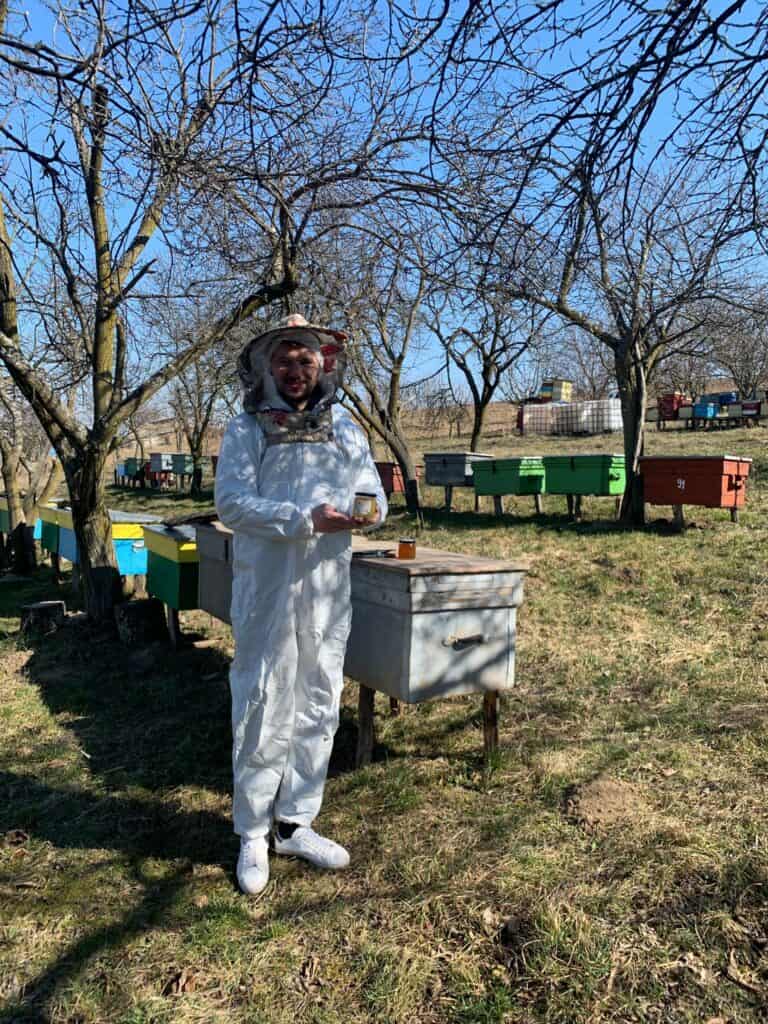
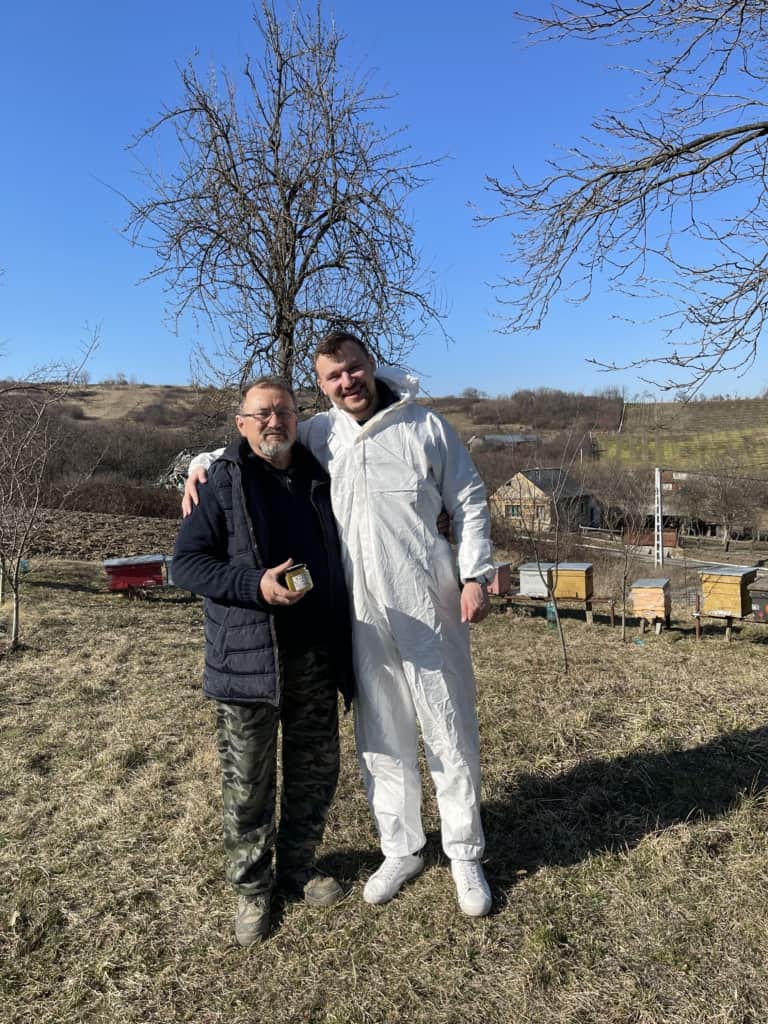
HoneyBee and Co.由Dragos Nistor创立,Dragos Nistor是第六代养蜂人,其家族自19世纪以来一直在Transylvania的喀尔巴阡山脉饲养蜂群。本页面上的教育系列体现了我们让蜜蜂科学真正深入人心的承诺:不是为了营销,而是通过六代人的直接经验,了解蜜蜂种群健康的重要性。.
Every guide on this page is built with peer-reviewed data, freely accessible, and designed to work in multiple languages. The 世界蜜蜂地图集 覆盖 75 个国家。该系统 没有蜜蜂的盘子》系列 最终将涵盖地球上所有重要的美食,每种美食都有一个母语版本。"... 英国蜜蜂分布图 通过 BWARS 和国家生物多样性网络提供的经同行评审的数据,记录了所有 270 种英国物种。.
我们的蜂蜜是 Transylvania 以及英国 Midlands 和 Yorkshire Moors 健康蜜蜂种群的直接成果。. 我们的故事 和我们的 订购范围 在这里,教育变成了你可以掌握的东西。.

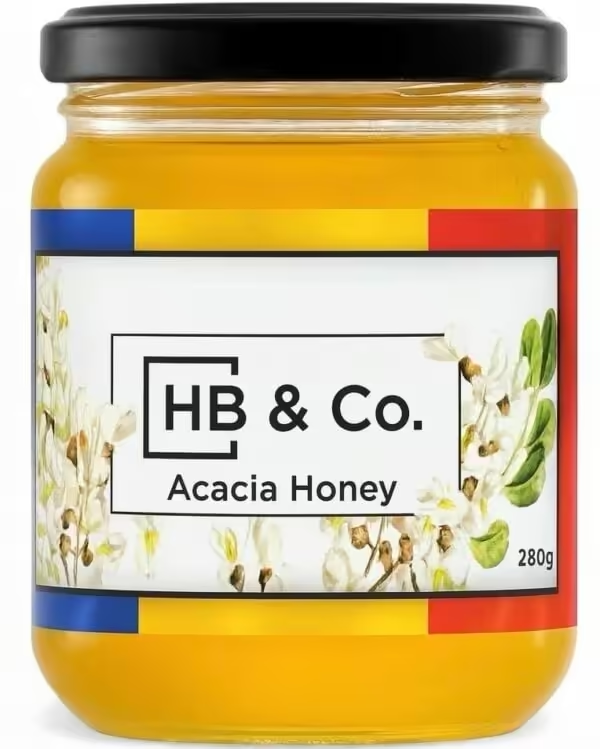
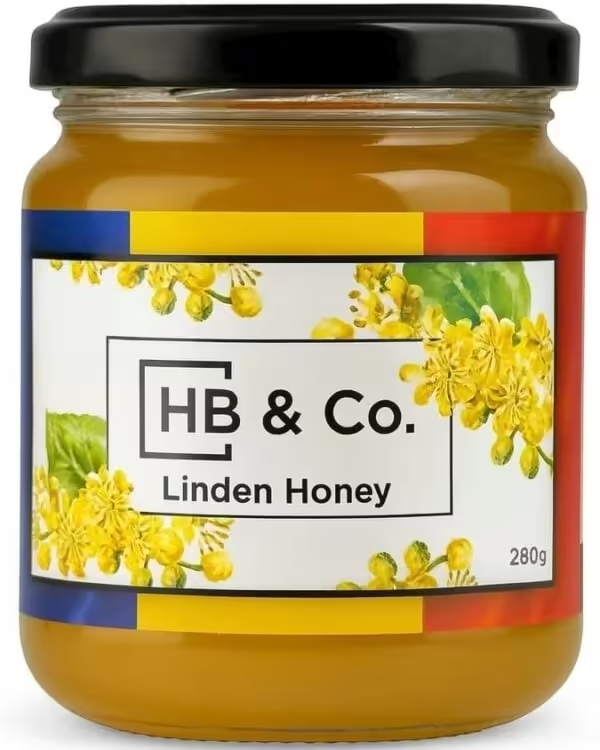
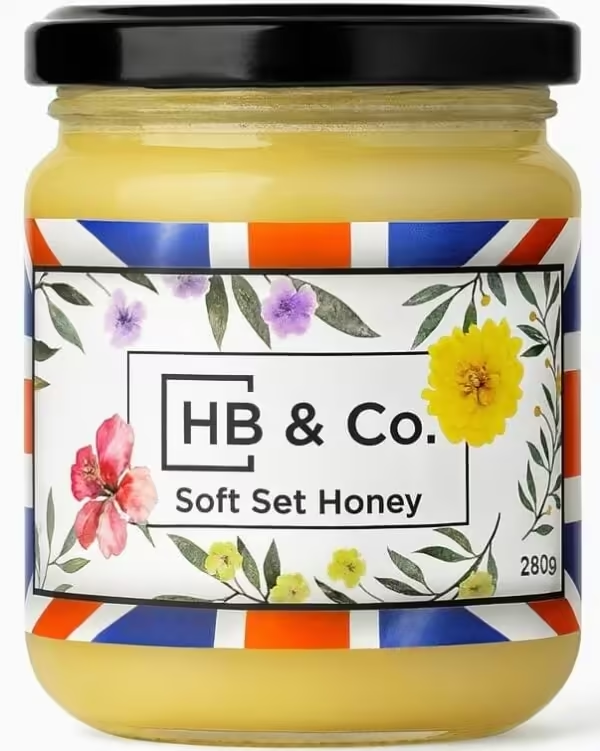
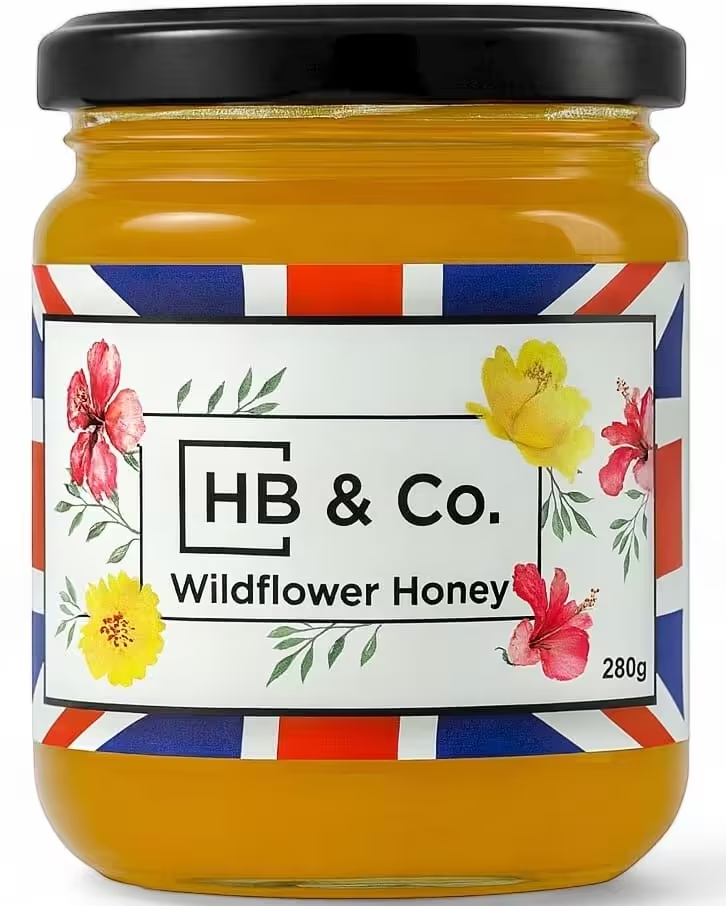
9支持蜜蜂购买 HoneyBee & Co.
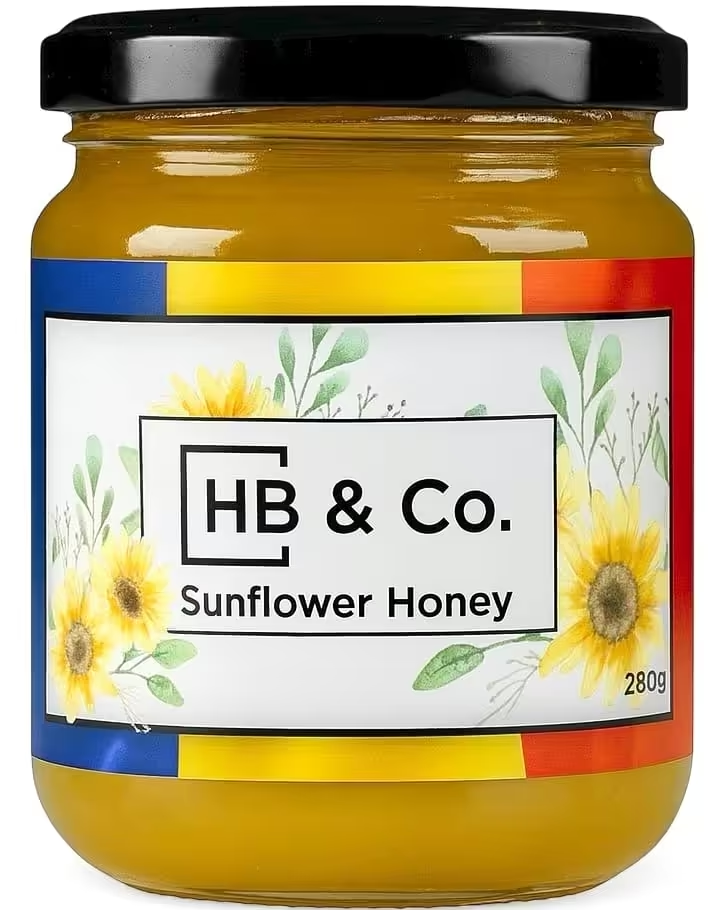
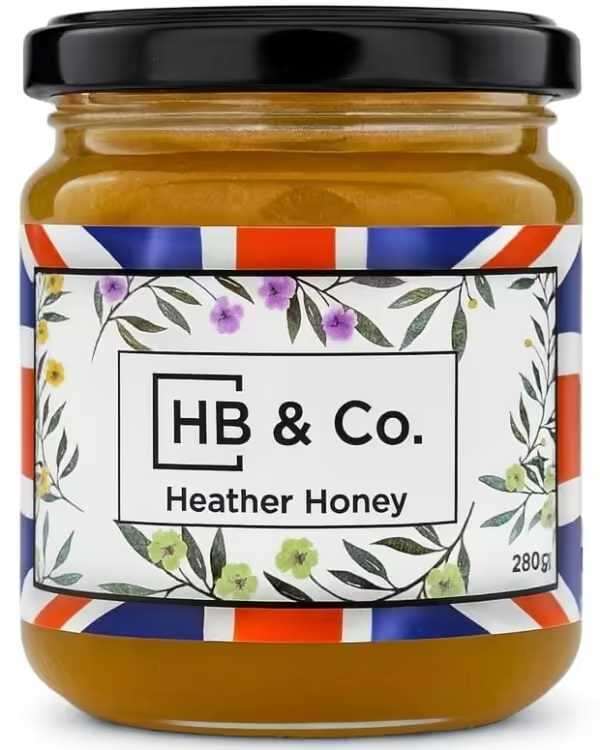
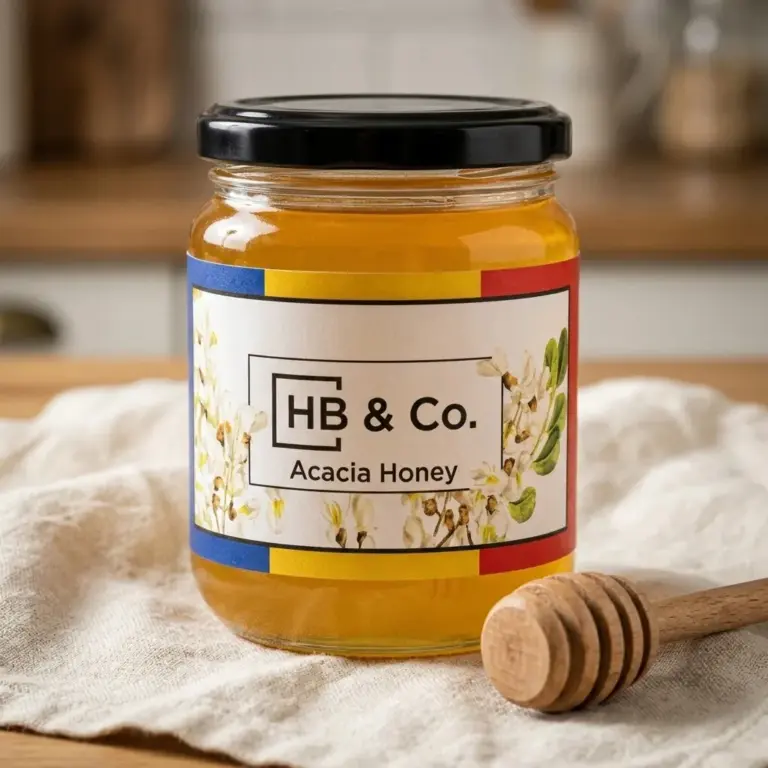
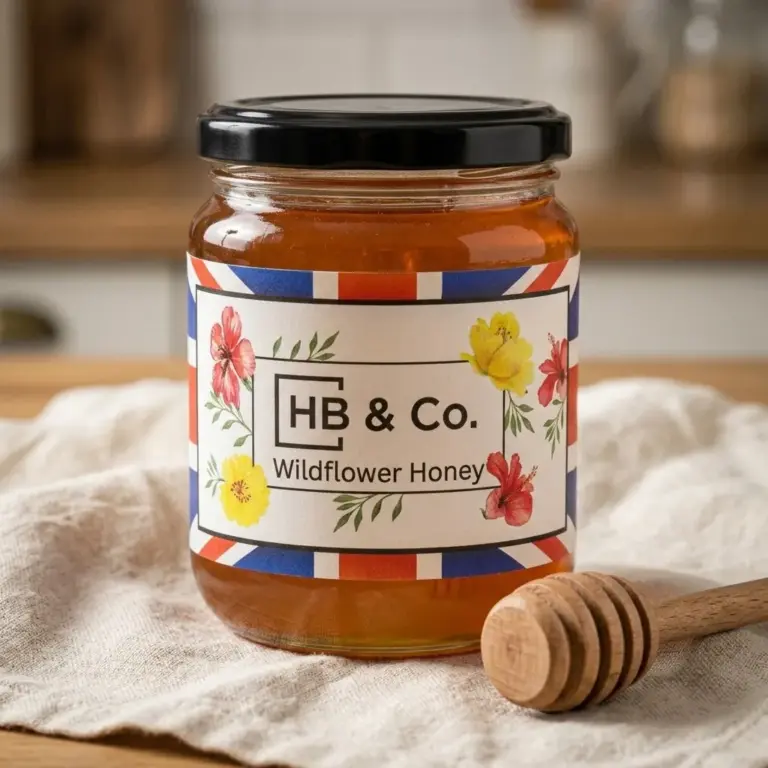
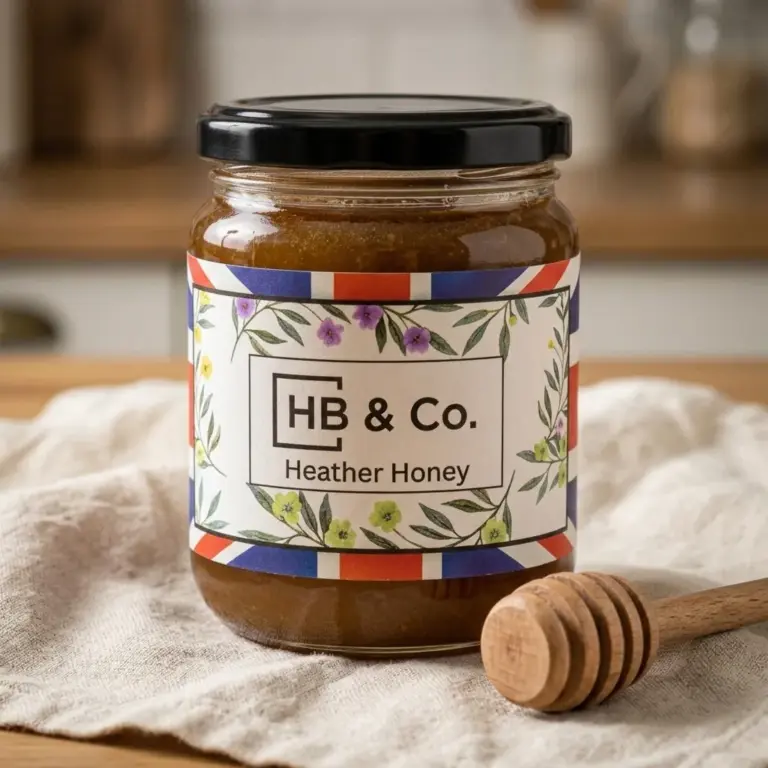
Raw, single-origin honey from Transylvanian family apiaries and a SALSA-certified British supplier. Six varieties. Free UK delivery on three or more jars. Save 15% with a subscription.
来自 这家店
来自 这家店
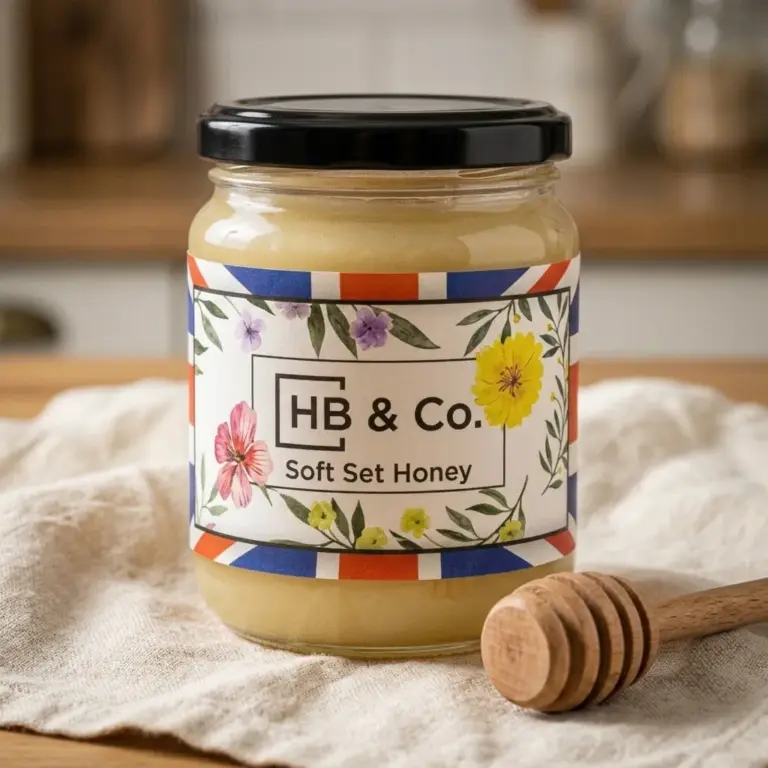
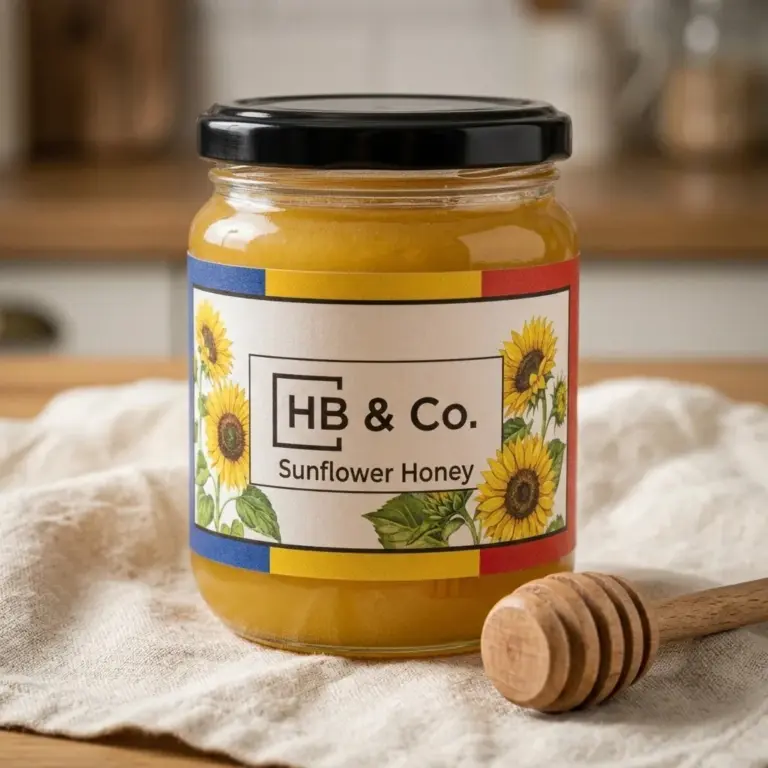
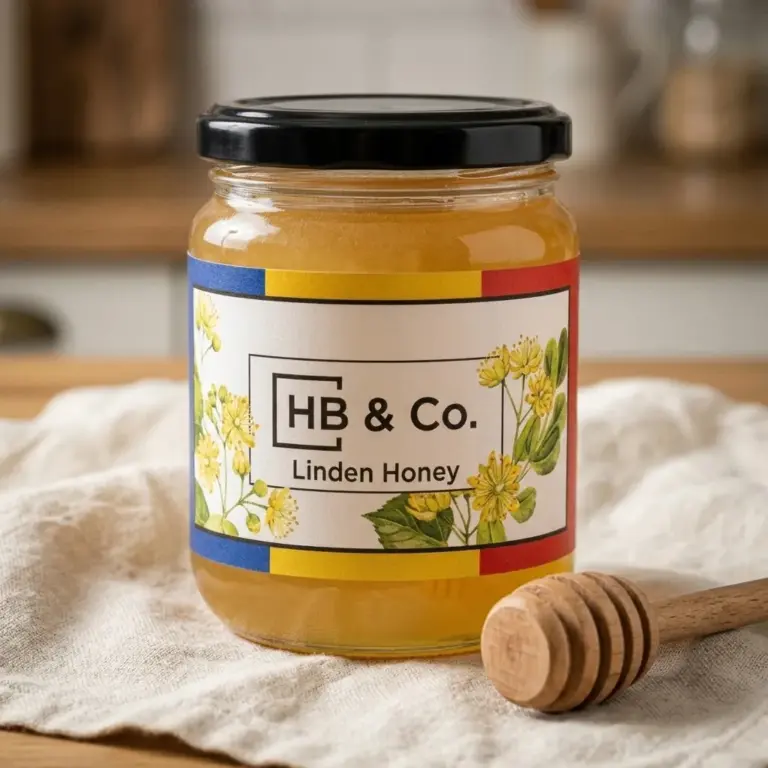
Save 15% on every delivery with a 订阅原蜜. .订购数量不限,均可享受英国免费送货服务。.
10Questions readers ask
世界上有多少种蜜蜂?
全世界大约有 20 000 个已描述的蜜蜂物种,分为七个科:蜜蜂分为七科:喙蜂科(Apidae)、喙蜂科(Halictidae)、喙蜂科(Andrenidae)、喙蜂科(Megachilidae)、喙蜂科(Colletidae)、喙蜂科(Melittidae)和喙蜂科(Stenotritidae)。科学家估计,热带地区未被描述的物种可能会使真正的总数大大增加。除南极洲外,它们栖息在各大洲。.
英国有多少种蜜蜂?
英国约有 270 种本地蜜蜂。其中包括 24 种熊蜂,约 245 种独居蜂(矿蜂、石匠蜂、刨叶蜂、泥水匠蜂和杜鹃蜂),以及单一的管理蜜蜂物种--Apis mellifera。许多独居蜂种记录不足,尤其是在英格兰南部以外地区。.
大黄蜂和蜜蜂有什么区别?
大黄蜂体型更大、更圆、皮毛更厚。它们生活在每年由 50 到 400 只蜜蜂组成的蜂群中,每年冬天都会死亡,只有交配后的蜂王才能存活。蜜蜂体型较小、较瘦,常年生活在 20,000 到 80,000 只蜜蜂的蜂群中,通过消耗储存的蜂蜜以完整蜂群的形式过冬。只有蜜蜂生产的蜂蜜具有重要的商业价值。这两种蜂都是鳞翅目蜜蜂科的成员。.
为什么蜜蜂对人类很重要?
Bees are the world’s primary pollinators. Around 75% of globally important food crop species depend on animal pollinators to produce fruit, seed, or viable harvest. Without bees, crops including almonds, tomatoes, strawberries, coffee, cocoa, avocados, blueberries, and courgettes would fail at scale. The economic value of insect pollination to global agriculture is estimated at over 150 billion euros annually.
蜜蜂在食物中所占的比例是多少?
Klein 等人(2007 年)对作物与授粉者的关系进行了最全面的同行评审,发现 115 种全球重要的粮食作物中有 87 种受益于动物授粉。按产量计算,这约占全球粮食产量的 35%,作物种类多达 75%。小麦、水稻和玉米等主要热量作物靠风力授粉,基本不受影响,但大多数水果、蔬菜、坚果和调味作物则依赖蜜蜂。.
世界上最大的蜜蜂是什么?
Wallace’s Giant Bee, Megachile pluto, is the world’s largest bee. Named after Alfred Russel Wallace, who discovered it in the Indonesian island of Bacan in 1858, females reach up to 38mm in length with a wingspan of 63mm. It was feared extinct for over a century before being rediscovered alive in North Maluku, Indonesia in 2019. It nests inside active termite mounds.
世界上最小的蜜蜂是什么?
Perdita minima, a member of the family Andrenidae, is the world’s smallest bee at approximately 2mm in length. It is native to the desert southwest of the United States. Despite its size, it is a functional pollinator, specialising on small desert flowers. It is so small it can be easily overlooked in field surveys.
蜜蜂濒临灭绝了吗?
许多蜜蜂物种受到威胁。世界自然保护联盟红色名录》将全球 700 多个蜜蜂物种列为濒危或接近濒危物种。在英国,有两个物种在 20 世纪灭绝,还有几个物种极度稀少。大黄蜂(Bombus distinguendus)在英国的分布范围已减少了 80% 以上。在全球范围内,由于栖息地丧失、杀虫剂暴露、疾病和气候变化,野生蜜蜂种群在过去三十年中估计减少了30%。.
什么是嗡嗡授粉?
嗡嗡授粉或声波授粉是熊蜂和某些独居蜜蜂用来从花药不能简单接触传递的花朵中提取花粉的一种技术。蜜蜂抓住花药,以大约 400 赫兹的频率振动飞行肌肉,将花粉震散。西红柿、茄子、蓝莓和西葫芦都需要这一过程。蜜蜂不能进行超声处理。这也是为什么即使有人工饲养的蜜蜂,野生熊蜂种群也是不可替代的原因之一。.
蜜蜂吃什么?
蜜蜂以花蜜和花粉为食。花蜜是植物蜜腺分泌的富含糖分的溶液,可以提供能量。花粉为发育中的幼虫提供蛋白质、脂肪、维生素和矿物质。成年蜜蜂食用花蜜以获得飞行能量,而幼虫则食用花粉和花蜜的混合物(对于蜜蜂来说,蜂王则食用蜂王浆)。花蜜转化为蜂蜜的过程包括添加酶和蒸发水分,水分含量从 80% 左右降至 18% 以下。.
蜜蜂的寿命有多长?
不同种类和种属的蜜蜂寿命差别很大。蜜蜂工蜂夏季寿命为 6 至 8 周,越冬期可长达 6 个月。蜂王可活 3 到 5 年。熊蜂工蜂的寿命为 2 到 6 周;蜂王包括冬眠在内的寿命约为一年。大多数独居蜂的成虫寿命为 4 到 8 周。幼虫和蛹期在密封的巢穴中,根据种类的不同,可持续数周至数年。.
蜜蜂如何酿蜜?
Forager honeybees collect nectar and store it in their honey stomach. Back at the hive, they transfer it to house bees who chew it, adding enzymes including invertase (which breaks sucrose into fructose and glucose) and glucose oxidase (which produces hydrogen peroxide). The nectar is then deposited into honeycomb cells and fanned by thousands of bees to evaporate water. When moisture falls below 18%, cells are capped with wax and the honey is stable indefinitely. Raw honey, like ours, is extracted without heating to preserve these enzymes intact.
来源
- Dorey, J.B. et al. (2026)。究竟有多少蜜蜂物种?全球定量估计。. 自然通讯, doi.org/10.1038/s41467 (February 2026)
- Klein, A.M. et al. (2007)。授粉者在不断变化的景观中对世界作物的重要性。. Proc.R. Soc. B, 274, 303-313.
- Potts, S.G. et al. (2016)。保护授粉者及其对人类福祉的价值。. 自然, 540, 220-229.
- Powney, G.D. et al. (2019)。英国授粉昆虫的广泛损失。. 自然通讯, 10:1018.
- Michener, C.D. (2007). 世界蜜蜂, 第 2 版。约翰-霍普金斯大学出版社。.
- Falk, S.J. (2015). 大不列颠及爱尔兰蜜蜂实地指南》。. 英国野生动物出版社。.
- 政府间科学政策平台(2016 年)。. 关于授粉者、授粉和粮食生产的评估报告。. 生物多样性和生态系统服务政府间科学政策平台秘书处,波恩。.
- Danforth, B.N., Minckley, R.L., Neff, J.L. & Fawcett, F. (2019). 孤独的蜜蜂:生物学、进化论、保护。. 普林斯顿大学出版社。.
- 蜜蜂、黄蜂和蚂蚁记录协会(BWARS)。国家记录计划。. bwars.com
- 国家生物多样性网络地图集。英国的出现记录。. nbnatlas.org
- 世界自然保护联盟濒危物种红色名录。蜜蜂评估。. iucnredlist.org
- 国家蜜蜂单位/APHA。英国的野生蜜蜂》,第 08 号概况介绍(2024 年 10 月)。Defra.
撰写人
Dragos Nistor
Founder of HoneyBee & Co. Dragos grew up among his family's hives in Transylvania, where the Nistors have kept bees for six generations, and now brings raw, single-origin honey from those hives and from trusted British beekeepers to tables across the UK.