

 English (UK)
  Italiano
  Français
  简体中文
简体中文  한국어
한국어 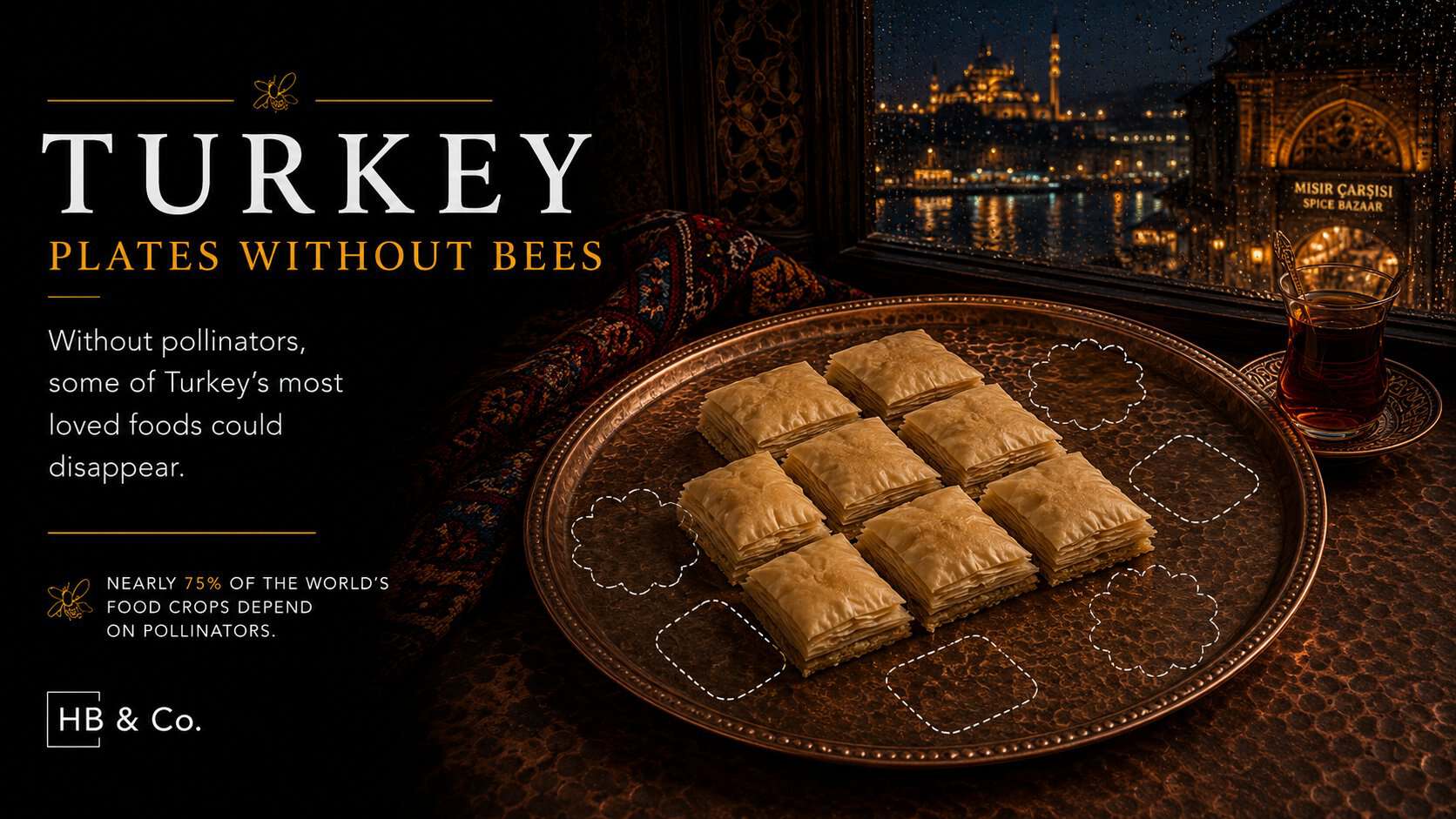
Turkey's Plate Without Bees
Six iconic Turkish dishes. Over 2,000 native bee species. What vanishes from the plate when the pollinators disappear.
 United Kingdom
 Italy
Italy
 France
 Spain
Spain
 Germany
 Greece
 Portugal
 Romania
 Turkey
 United States
 Mexico
 Brazil
 Argentina
 Peru
Peru
 Colombia
 China
China
 Japan
Japan
 South Korea
 Thailand
 Vietnam
 Indonesia
 Philippines
 India
India
 Pakistan
 Morocco
 Egypt
Egypt
 Lebanon
 Saudi Arabia
 Ethiopia
 Nigeria
- 87 of the world's leading food crops depend on animal pollination to some degree (Klein et al., 2007)
- Without bees, Turkish Baklava loses both its nut filling and its honey syrup - the entire character of the dish is pollinator-dependent
- Turkey has over 2,000 native bee species - the highest bee diversity in the Middle East
- Turkey is the world's largest cherry and apricot producer; both carry a 65% pollinator dependency rating
- Turkish Anatolia is the original home of Apis mellifera anatoliaca, one of the oldest known honeybee subspecies, managed there for at least 8,000 years
Why Turkish Cuisine Depends on Bees
Turkish cuisine bridges European and Middle Eastern food traditions. The tomatoes and peppers that define Turkish cooking are 65% pollinator-dependent. The pomegranate that garnishes across the Bosphorus to Antakya carries 65% dependency. The onions in every kebap marinade carry 65%. And the honey and nut combination that makes Turkish sweets globally distinctive - baklava's pistachio filling (25%), walnut filling (25%), and honey syrup (95%) - is heavily pollinator-dependent. Without bees, Turkish Baklava becomes a pile of wheat pastry. Menemen loses its tomatoes and red peppers. Turkey loses the cherry and apricot harvests that make it the world's largest producer of both.
Turkey has practiced beekeeping for at least 8,000 years. Apis mellifera anatoliaca, native to Anatolia, is one of the oldest known honeybee lineages. Turkish pine honey from the Aegean coast - produced from pine scale insect secretions rather than flowers - is the world's only significant pine honey, with Turkey producing over 90% of global supply.
The Science Behind Turkish Crop Pollination
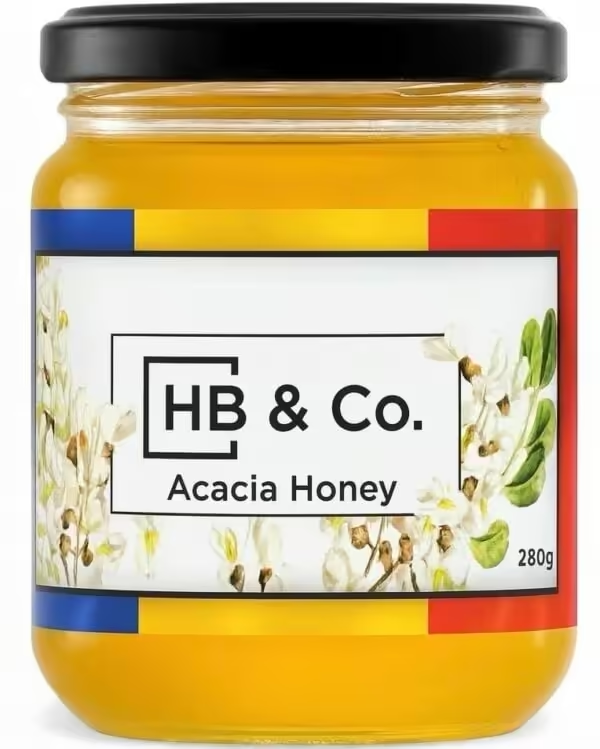
Key Turkish pollinator dependencies: tomatoes (65%), red peppers (65%), cucumbers (95%), onions (65%), pomegranate (65%), cherries (65%), apricots (65%), almonds (65%), sesame (65%), and honey (95%). Our Acacia Honey comes from the Carpathian Mountains, related by evolutionary lineage to the Anatolian honeybees. Read more on the About page, try our honey subscription and save 20%, or explore the World Bee Atlas. For bee decline, read our article on why bee populations are declining.
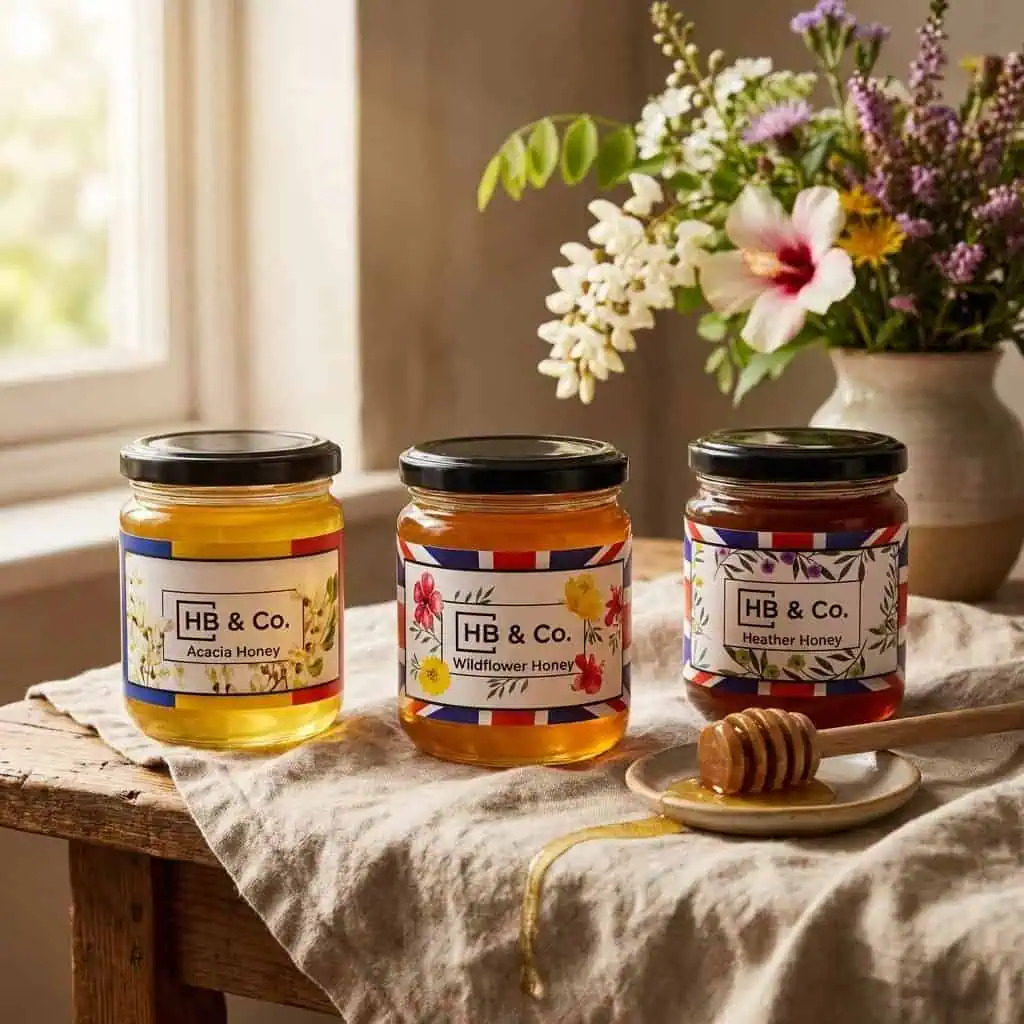
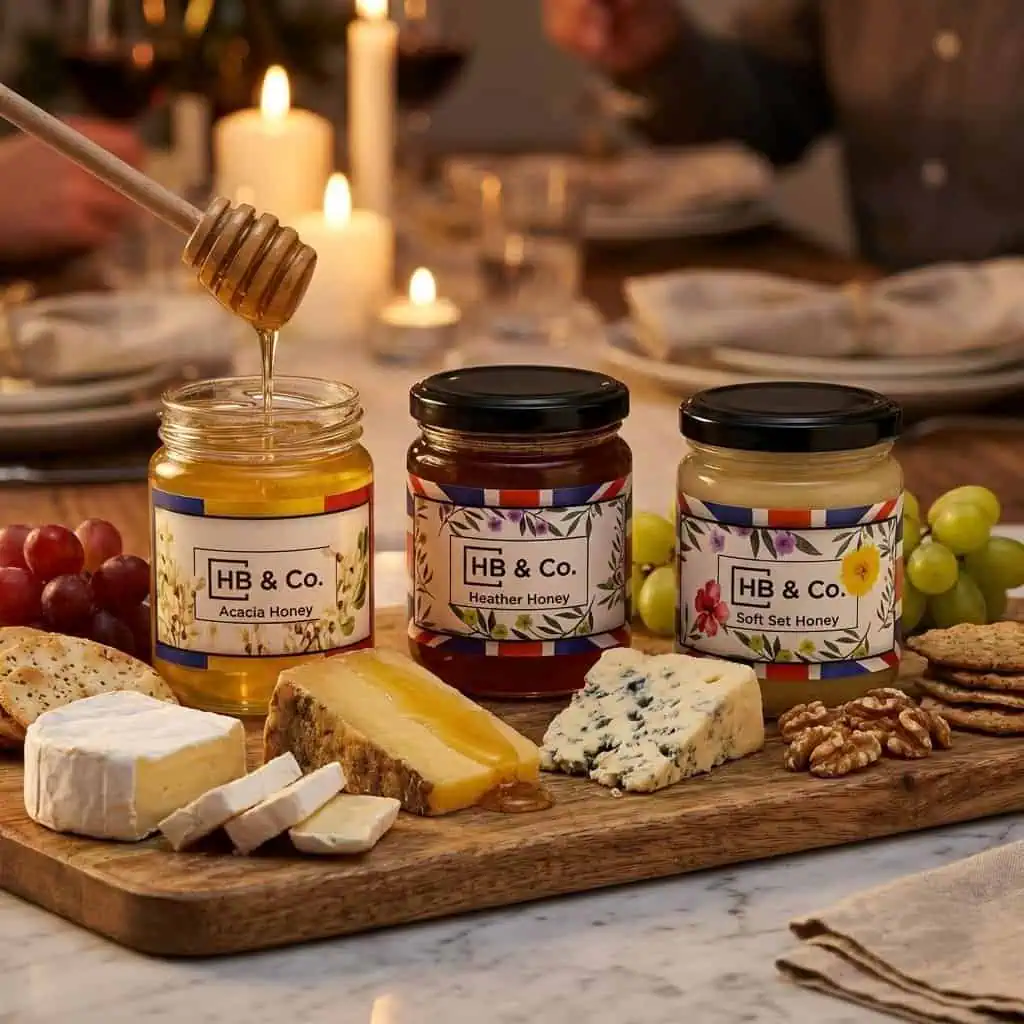
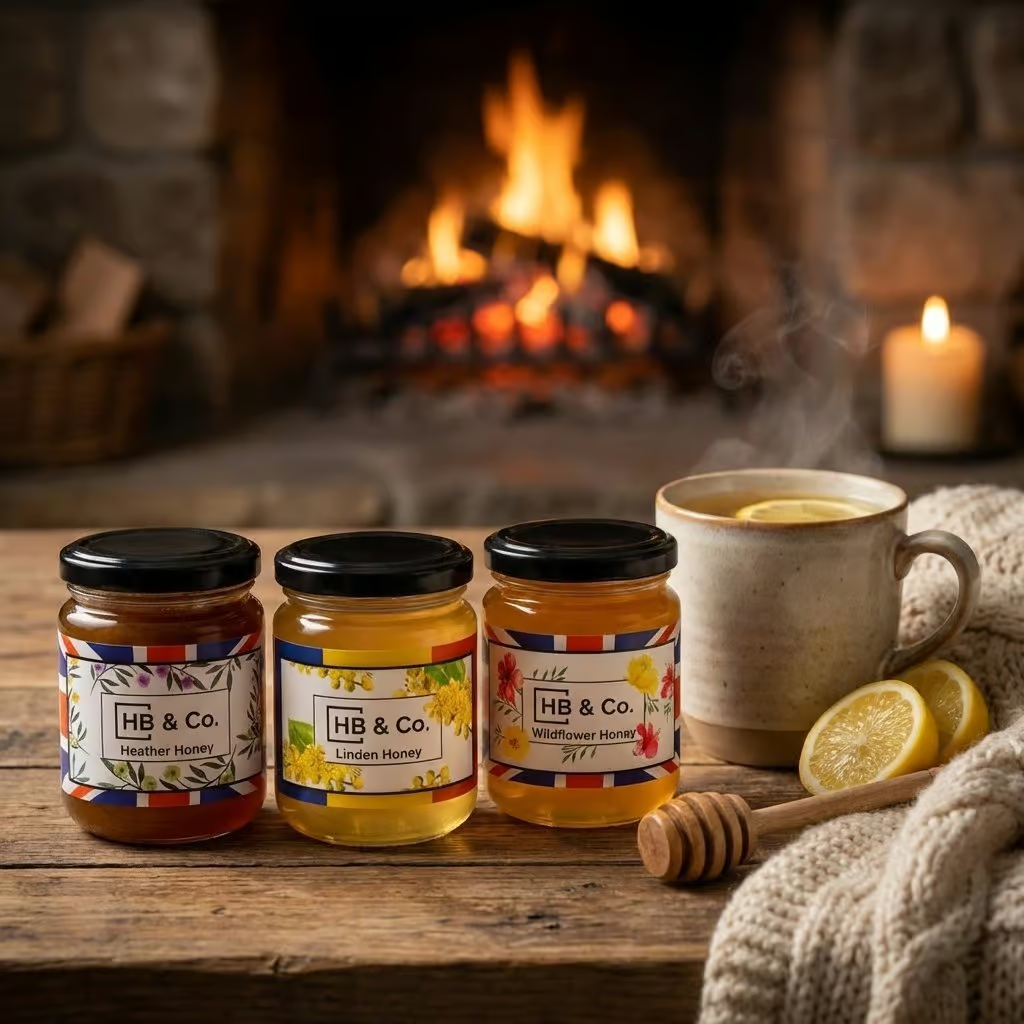
Raw Honey. Shop HoneyBee & Co.
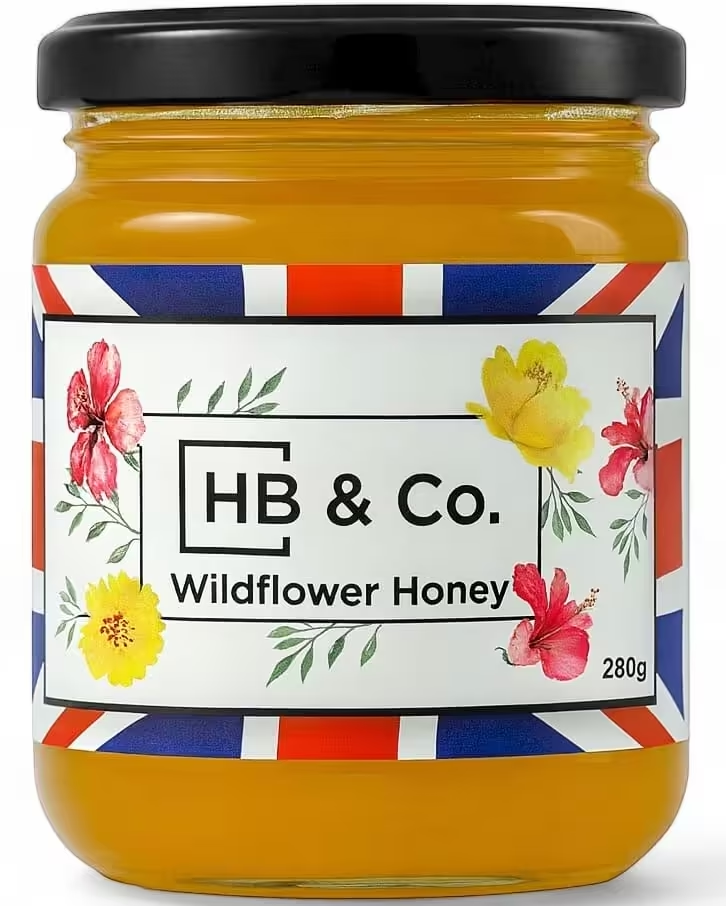
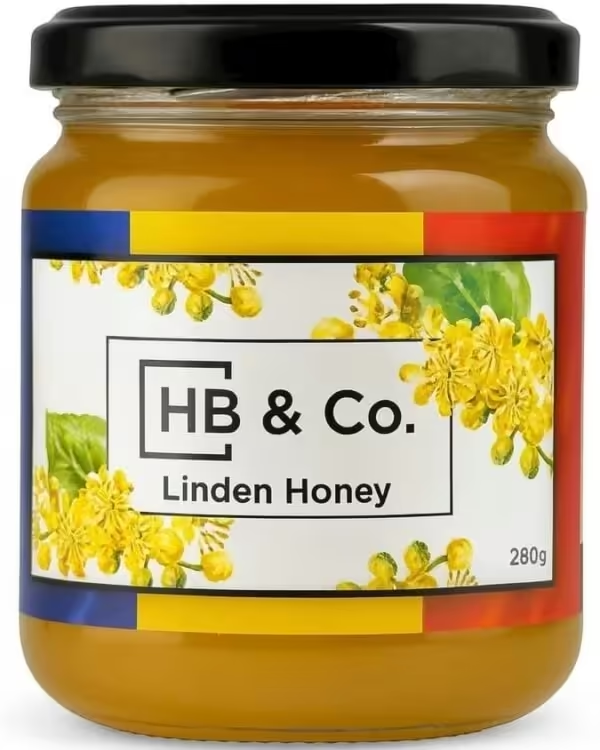
Single-origin raw honey from Transylvanian family apiaries and a SALSA-certified British supplier. Six varieties, all cold-extracted and fully traceable. Free UK delivery on three or more jars.
Frequently Asked Questions
Which Turkish foods disappear without bees?
Tomatoes, red peppers, cucumbers, onions, pomegranate, cherries, apricots, almonds, sesame seeds, and honey are all significantly pollinator-dependent. Lamb, rice, wheat, and plain yogurt are largely unaffected. Turkish sweets culture is almost entirely pollinator-dependent.
How many bee species live in Turkey?
Turkey has over 2,000 native bee species - the highest bee diversity in the Middle East and one of the highest globally. Turkey is the origin point of Apis mellifera anatoliaca, one of the oldest known honeybee lineages. Approximately 72% are at risk.
Is Turkey the world's largest cherry producer?
Yes. Turkey produces over 700,000 tonnes of cherries annually. Turkish cherries carry 65% pollinator dependency. Turkey is also the world's largest apricot producer with similar dependency.
What is Apis mellifera anatoliaca?
A honeybee subspecies native to Anatolia, considered one of the oldest lineages of the European honeybee. Turkey has practiced beekeeping for at least 8,000 years using this subspecies. Neolithic sites in Anatolia provide some of the world's earliest evidence of human bee management.
What is Turkish pine honey?
Produced on the Aegean coast from bee-collected pine scale insect secretions rather than flowers. Turkey produces over 90% of the world's pine honey. It has a distinctive, less sweet flavour with notable antimicrobial properties.
What percentage of Turkish food requires pollinators?
Turkey's core fresh ingredients - tomatoes (65%), peppers (65%), cucumbers (95%), pomegranate (65%), cherries (65%), and apricots (65%) - are all significantly pollinator-dependent under Klein et al. (2007). Turkish sweets culture, built on honey, almonds, and pistachios, is almost entirely pollinator-dependent.