

 English (UK)
  Italiano
  Français
  简体中文
简体中文  한국어
한국어 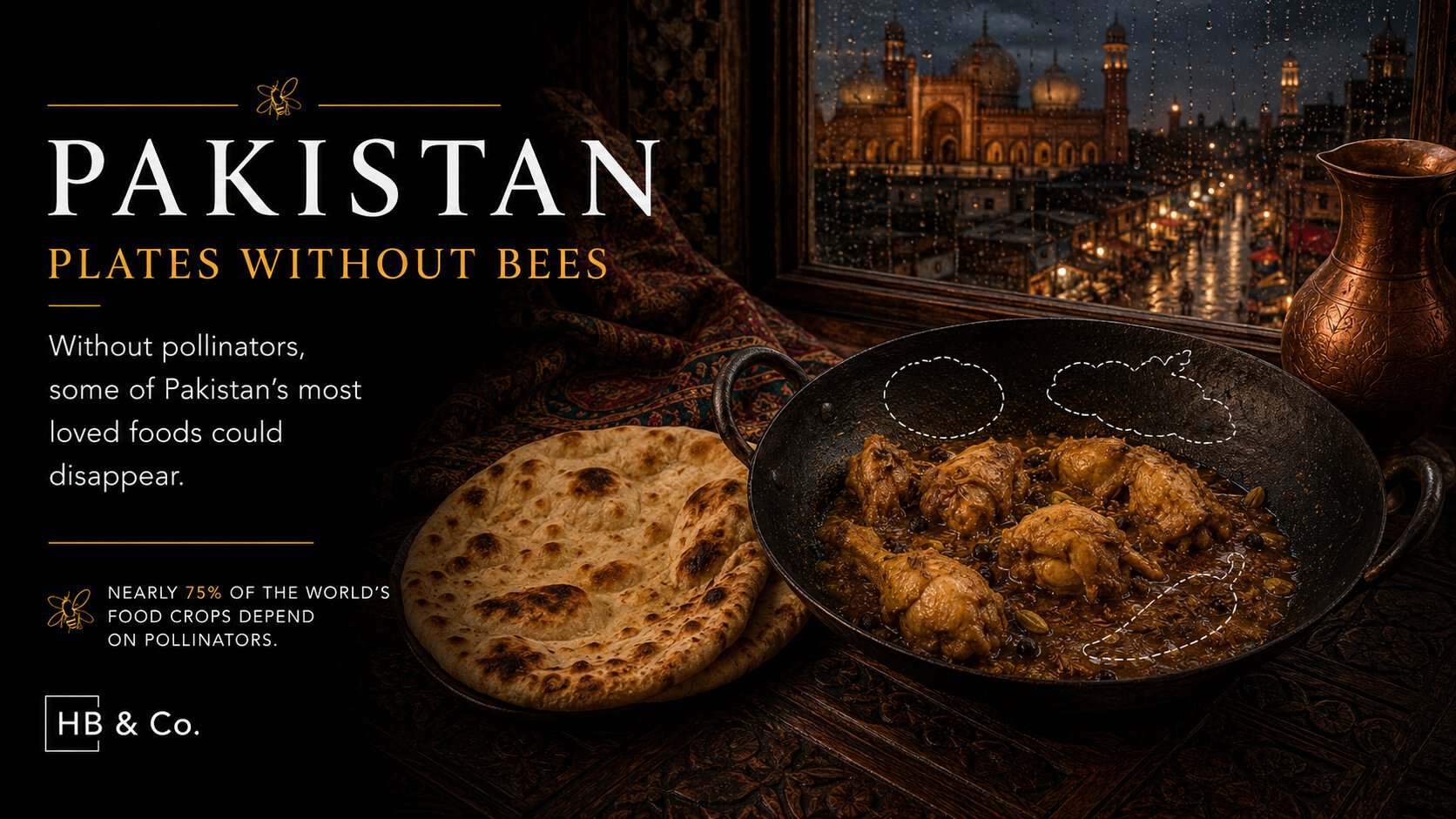
Pakistan's Plate Without Bees
Six iconic Pakistani dishes. Over 300 native bee species. What vanishes from the plate when the pollinators disappear.
 United Kingdom
 Italy
Italy
 France
 Spain
Spain
 Germany
 Greece
 Portugal
 Romania
 Turkey
 United States
 Mexico
 Brazil
 Argentina
 Peru
Peru
 Colombia
 China
China
 Japan
Japan
 South Korea
 Thailand
 Vietnam
 Indonesia
 Philippines
 India
India
 Pakistan
 Morocco
 Egypt
Egypt
 Lebanon
 Saudi Arabia
 Ethiopia
 Nigeria
- 87 of the world's leading food crops depend on animal pollination to some degree (Klein et al., 2007)
- Without bees, a Pakistani Karahi loses its tomatoes, red peppers, onion, and coriander - the entire base of the dish is pollinator-dependent
- Pakistan has over 300 native bee species; Apis cerana of northern Pakistan's mountain valleys produces prized Himalayan honey
- Pakistani mangoes from Sindh are considered among the world's finest; mango carries a 25% modest pollinator dependency
- Coriander is the defining herb of Pakistani cooking and carries a 65% pollinator dependency rating
Why Pakistani Cuisine Depends on Bees
Pakistani cooking shares the Mughal culinary tradition with northern India. Its character comes from tomatoes (65%), onions (65%), coriander (65%), and lemon (65%) - all significantly pollinator-dependent. Karahi, the wok-cooked dish of chicken or lamb with tomatoes, red peppers, onion, and coriander, loses four of six primary ingredients without pollinators. Without bees, Karahi becomes spiced meat in oil. Pakistan's mango industry - Sindhri, Chaunsa, and Langra varieties of Sindh - is worth over one billion dollars annually and carries 25% modest pollinator dependency. Pakistan is also the world's largest lemon exporter; lemons carry 65% dependency.
The mountain valleys of northern Pakistan - Gilgit-Baltistan, Azad Kashmir, and Khyber Pakhtunkhwa - produce some of South Asia's most distinctive honey. Apis cerana colonies foraging on high-altitude wildflowers and medicinal plants in the Hindu Kush and Karakoram ranges produce honey commanding significant premiums. Traditional log hive beekeeping in these valleys uses techniques unchanged for centuries. Pakistani Himalayan honey is used extensively in traditional medicine and is prized in Pakistan and internationally.
The Science Behind Pakistani Crop Pollination
Key Pakistani pollinator dependencies: tomatoes (65%), red peppers (65%), onions (65%), cucumbers (95%), coriander (65%), lemon (65%), pomegranate (65%), and mango (25%). Our Acacia Honey comes from the Carpathian Mountains. Read more on the About page, try our honey subscription and save 20%, or explore the World Bee Atlas. For bee decline, read our article on why bee populations are declining.
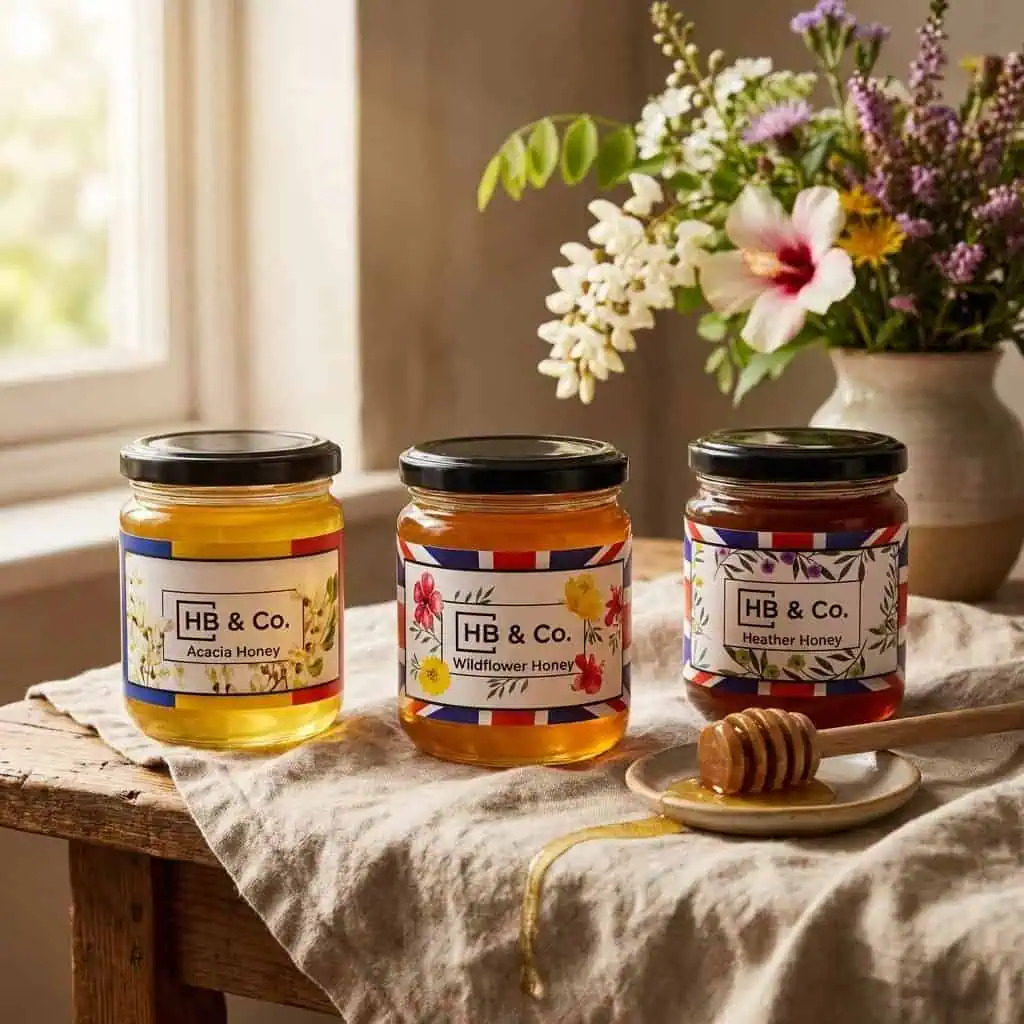
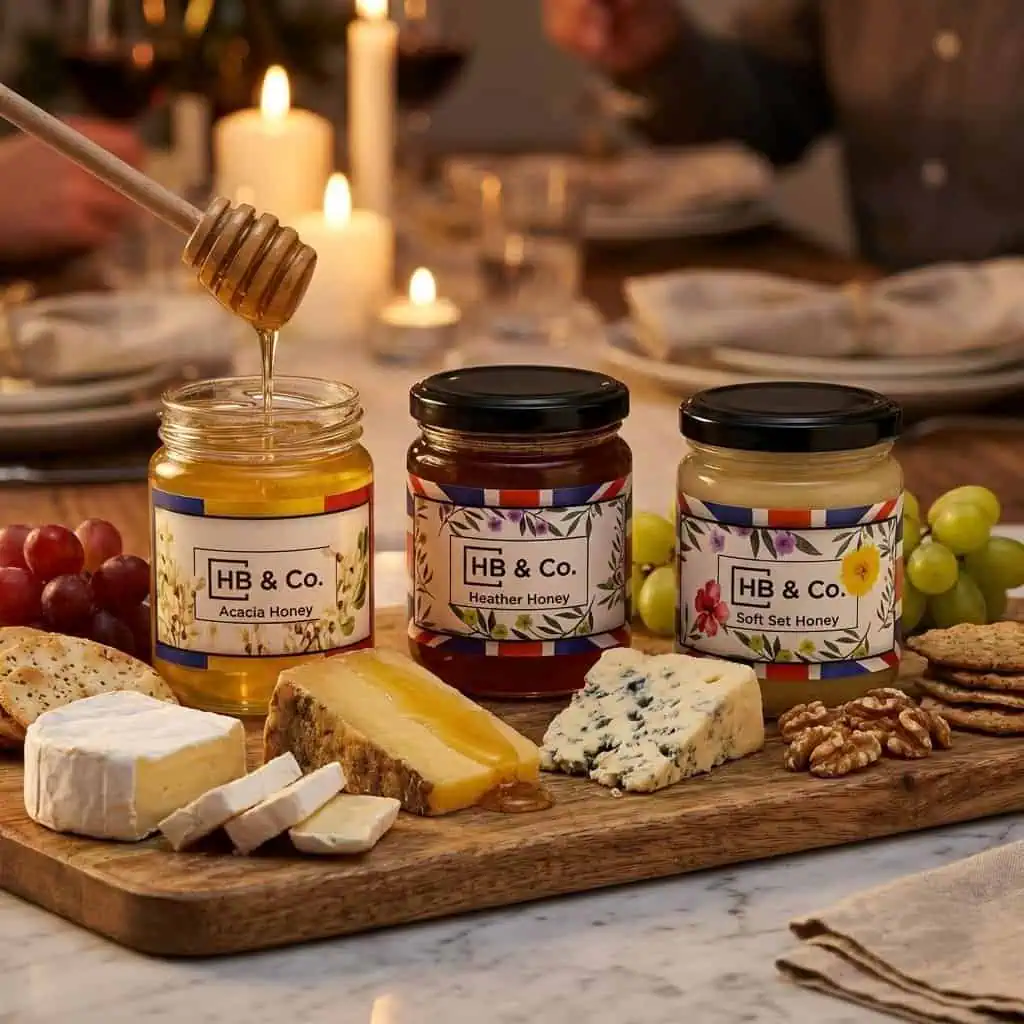
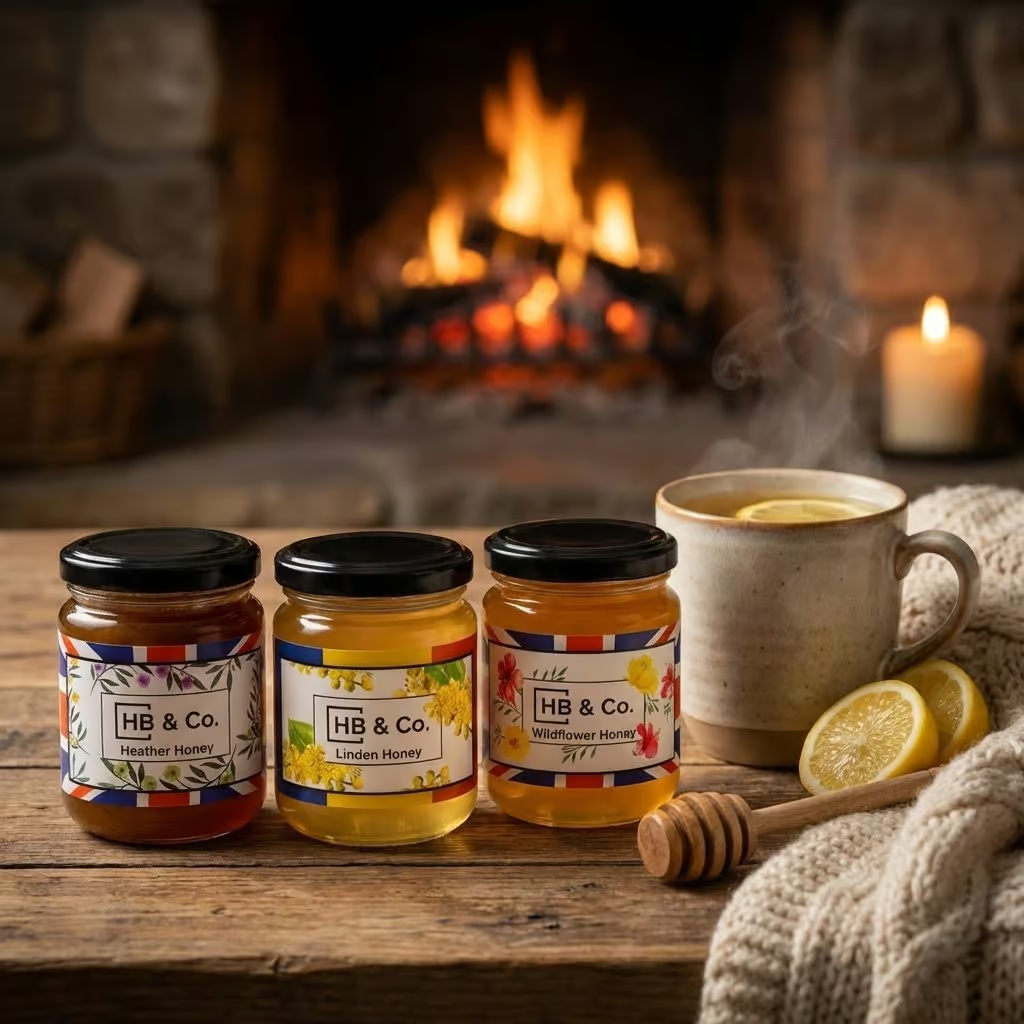
Raw Honey. Shop HoneyBee & Co.
Single-origin raw honey from Transylvanian family apiaries and a SALSA-certified British supplier. Six varieties, all cold-extracted and fully traceable. Free UK delivery on three or more jars.
Frequently Asked Questions
Which Pakistani foods disappear without bees?
Tomatoes, red peppers, onions, cucumbers, coriander, lemon, pomegranate, and mango are all significantly pollinator-dependent. Rice, wheat, lentils, and plain yogurt are largely unaffected.
How many bee species live in Pakistan?
Pakistan has over 300 native bee species spanning from the Arabian Sea coast to the Karakoram mountains. Key species include Apis dorsata, Apis cerana, and Apis florea. Approximately 58% are at risk.
What is Himalayan honey from Pakistan?
Produced by Apis cerana in the mountain valleys of Gilgit-Baltistan and Khyber Pakhtunkhwa, foraging on high-altitude wildflowers and medicinal plants in the Hindu Kush and Karakoram ranges. It commands significant premiums for its distinctive character.
Are Pakistani mangoes pollinator-dependent?
Yes, at 25% modest dependency. Pakistan's mango industry - Sindhri, Chaunsa, and Langra varieties from Sindh - is worth over one billion dollars annually. A 25% pollinator-driven yield reduction would represent major economic impact.
What percentage of Pakistani food requires pollinators?
Pakistani cuisine's defining base - tomatoes (65%), red peppers (65%), onions (65%), and coriander (65%) - is all significantly pollinator-dependent under Klein et al. (2007). Rice, lentils, and wheat are largely unaffected.
How can I help protect bees in Pakistan?
Support organisations protecting mountain ecosystem habitats in northern Pakistan. Advocate for reduced agricultural pesticide use in the Sindh and Punjab plains where mango and citrus orchards depend on bee pollination. Explore the World Bee Atlas for native Pakistani species.