 English (UK)
  Italiano
  Français
  简体中文
简体中文  한국어
한국어 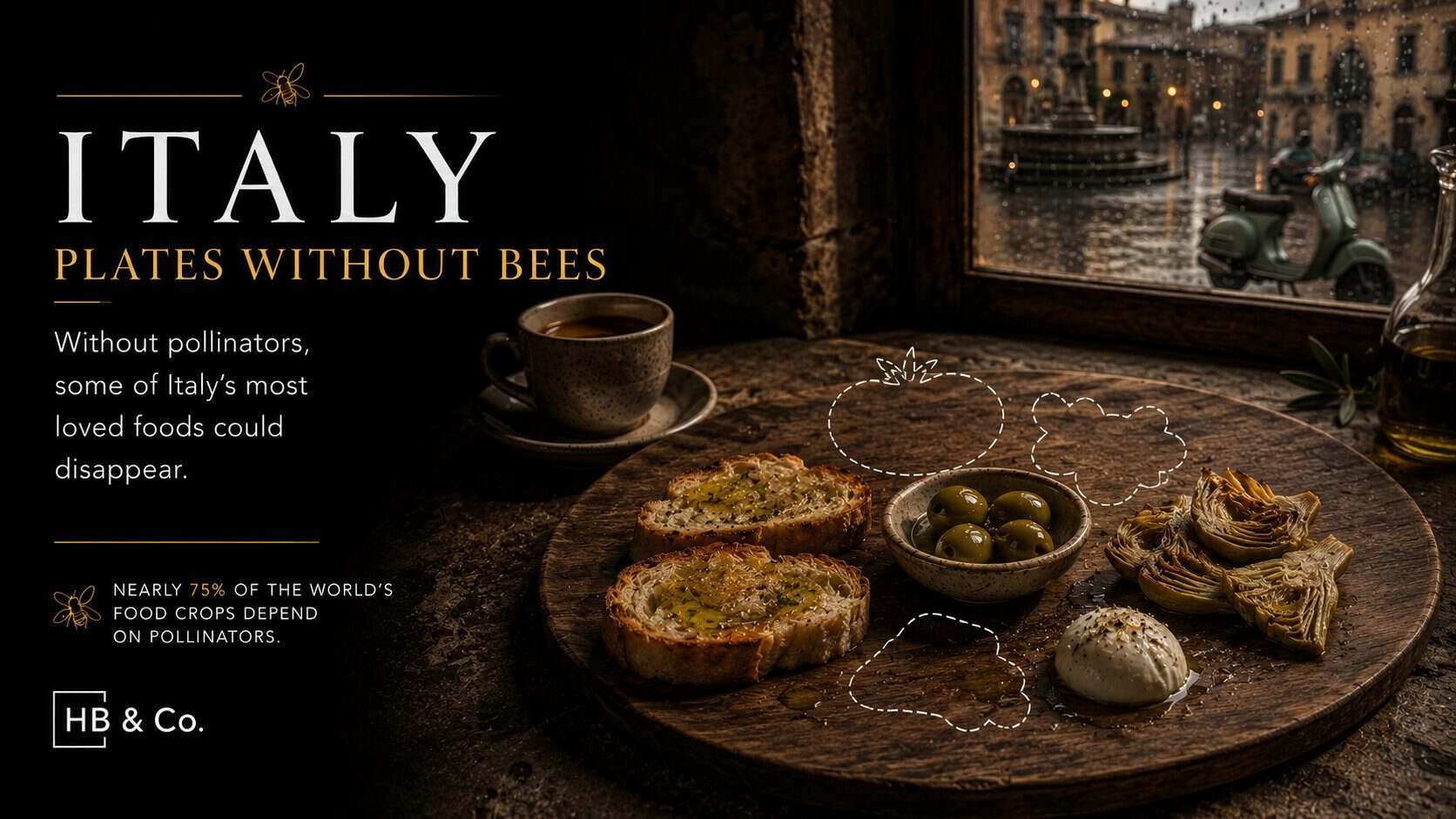
Italy's Plate Without Bees
Six iconic Italian meals. Over 1,000 native bee species. What vanishes from the table when the pollinators disappear.
 United Kingdom
 Italy
Italy
 France
 Spain
Spain
 Germany
 Greece
 Portugal
 Romania
 Turkey
 United States
 Mexico
 Brazil
 Argentina
 Peru
Peru
 Colombia
 China
China
 Japan
Japan
 South Korea
 Thailand
 Vietnam
 Indonesia
 Philippines
 India
India
 Pakistan
 Morocco
 Egypt
Egypt
 Lebanon
 Saudi Arabia
 Ethiopia
 Nigeria
- 87 of the world's leading food crops depend on animal pollination to some degree (Klein et al., 2007)
- Without bees, up to 75% of a traditional Italian merenda estiva would vanish from the table
- Italy is Europe's largest tomato producer; commercial greenhouse production depends entirely on buzz-pollination by Bombus terrestris
- Apis mellifera ligustica, the Italian honeybee, is the most widely kept honeybee subspecies in the world, exported to over 60 countries
- Buying raw honey from ethical beekeepers directly supports the colonies that pollinate Italy's food landscape
Why Italian Cuisine Depends on Bees
Italian food culture is built on fresh, seasonal produce. Tomatoes for the south, courgettes and their flowers for the centre, stone fruits and figs across the peninsula, almonds and citrus from Sicily and Puglia. Almost every defining ingredient of Italian cooking is significantly dependent on animal pollination. Remove bees from Italy and the table is left with pasta, bread, polenta, fish, and salt. Everything else is in peril.
The relationship is not theoretical. Italy is the largest tomato producer in Europe, harvesting more than six million tonnes annually. Every tomato in a greenhouse -- and a significant proportion of outdoor Italian tomatoes -- requires a process called buzz-pollination, or sonication, that only wild bees can perform. A bee grips the flower's anther and vibrates its flight muscles at approximately 400 Hz, shaking loose pollen that no other mechanism can reach. The buff-tailed bumblebee, Bombus terrestris, is the species Italian growers deploy commercially for this purpose. Managed Bombus terrestris colonies are rented to Italian glasshouse operators at a scale that makes them an agricultural input as critical as water or fertiliser.
Courgette flowers, one of the most distinctive ingredients in Italian cooking, require the same buzz-pollination. The dependency score for courgettes is 95% under the Klein et al. (2007) classification, meaning without pollinators, yield falls by 90% or more. The same applies to aubergines, sweet peppers, and blueberries. Italian cuisine does not happen without Italian bees.
The Science Behind the Numbers
The five dependency categories used in this tool map to measured yield reductions from field exclusion experiments. An essential rating (95%) means yield drops by 90% or more when pollinators are excluded. A great rating (65%) means a 40 to 90% reduction. These are not estimates or projections. They are the results of experiments in which pollinators were physically excluded from crops and the resulting harvests compared against pollinator-accessible controls.
For Italian agriculture, the most commercially significant dependencies are tomatoes (65%), courgettes (95%), sweet peppers (65%), almonds (65%), strawberries (95%), cherries (65%), and citrus fruits at 25% modest dependency. Together, these crops represent a substantial proportion of Italian agricultural output and export value. A meaningful decline in Italian bee populations would not remain a conservation issue for long before becoming an economic one.
The Italian Honeybee and the Transylvanian Connection
Apis mellifera ligustica, the Italian honeybee subspecies native to the Italian peninsula, is the most widely kept honeybee in the world. It was first described scientifically in the 19th century and has since been selectively bred and exported to beekeepers on every inhabited continent. The traits that made it commercially dominant -- gentle temperament, low tendency to swarm, prolific honey production, and strong colony build-up in spring -- are the same traits that make it an effective pollinator at scale.
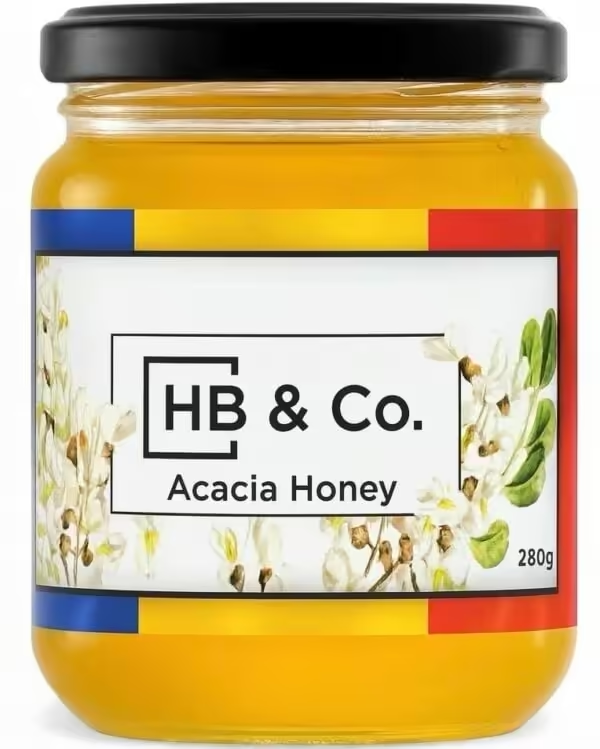
The connection between Italian and Transylvanian beekeeping runs deeper than taxonomy. Both traditions depend on the same species, Apis mellifera, foraging across landscapes that share a similar botanical heritage. The Robinia pseudoacacia tree -- the Black Locust -- from which our Acacia Honey is drawn in early June each year, is the same tree that Italian beekeepers in the Po Valley and Veneto have harvested from for generations. Acacia honey is among the most prized honeys in northern Italy. Our Transylvanian version is drawn from the same species, the same flower, the same brief summer window.
HoneyBee and Co. was founded by Dragos Nistor, a sixth-generation beekeeper from Transylvania. The knowledge behind every jar comes from a family tradition that pre-dates Italian unification. You can read more about our origins on the About page, or explore our raw honey subscription and save 20% on every delivery.
What You Can Do
Plant Mediterranean herbs in any available outdoor space. Basil, thyme, rosemary, lavender, and oregano are all excellent forage plants for wild bees and require no specialist garden. Eliminate pesticide use entirely. Choose honey and food products from suppliers who practice ethical, traceable beekeeping with full transparency about origin. To understand which bee species pollinate which crops in Italy and across Europe, visit the World Bee Atlas. To read more about why bee populations are declining globally, see our article on why bee populations are declining.
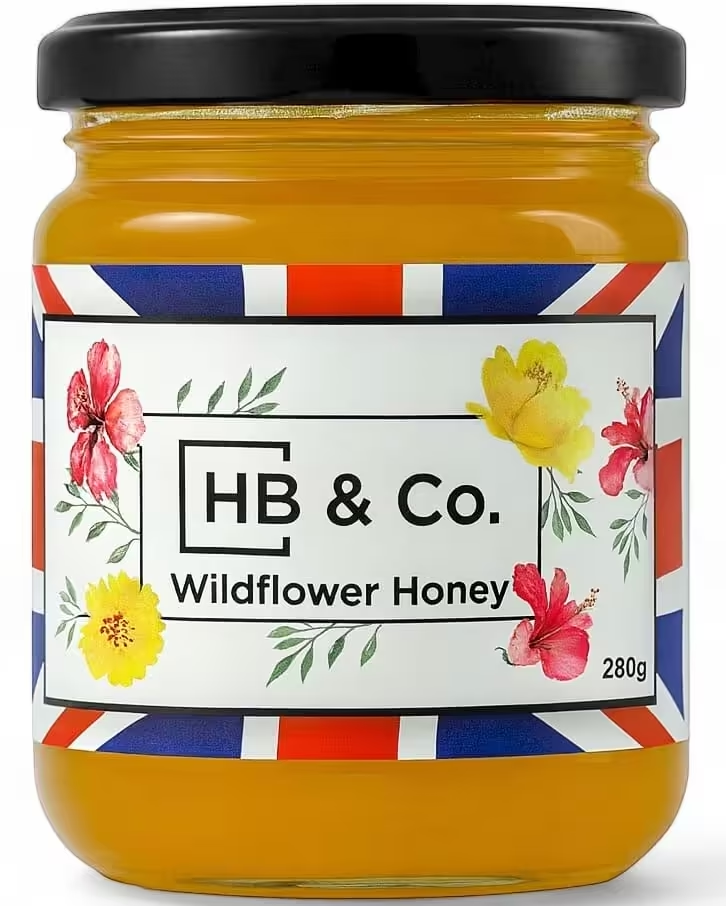
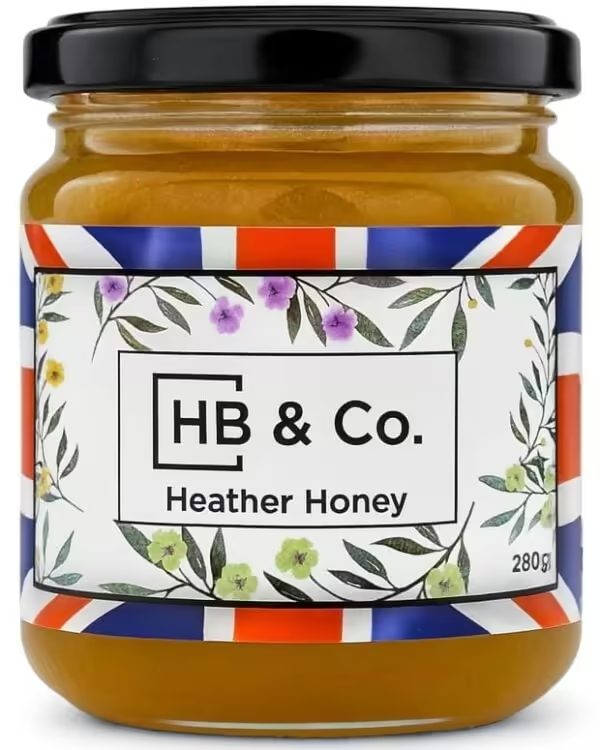
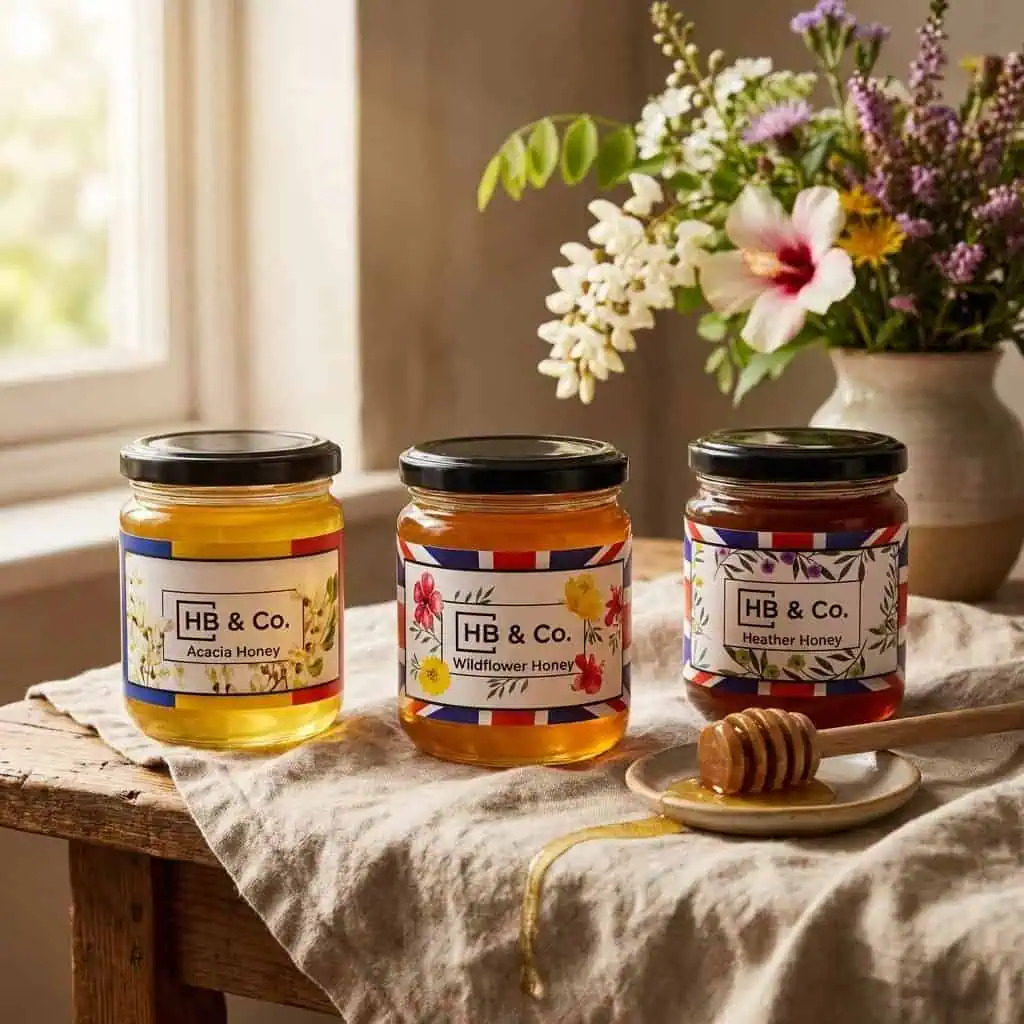
Raw Honey. Shop HoneyBee & Co.
Single-origin raw honey from Transylvanian family apiaries and a SALSA-certified British supplier. The same Robinia acacia trees that define northern Italian honey production supply our Transylvanian bees each June. Free UK delivery on three or more jars.