

 English (UK)
  Italiano
  Français
  简体中文
简体中文  한국어
한국어 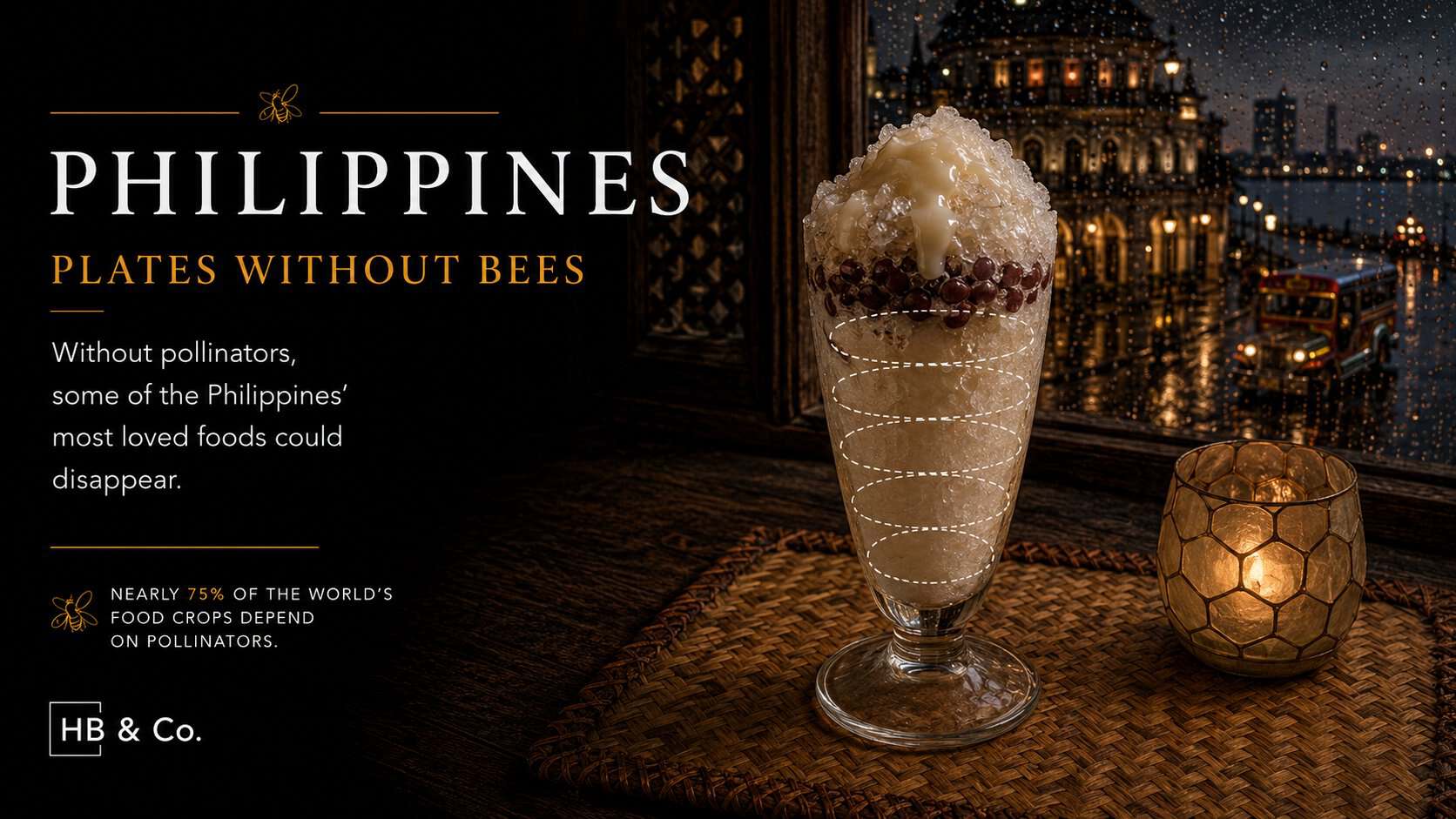
Philippines's Plate Without Bees
Six iconic Filipino dishes. Over 400 native bee species. What vanishes from the plate when the pollinators disappear.
 United Kingdom
 Italy
Italy
 France
 Spain
Spain
 Germany
 Greece
 Portugal
 Romania
 Turkey
 United States
 Mexico
 Brazil
 Argentina
 Peru
Peru
 Colombia
 China
China
 Japan
Japan
 South Korea
 Thailand
 Vietnam
 Indonesia
 Philippines
 India
India
 Pakistan
 Morocco
 Egypt
Egypt
 Lebanon
 Saudi Arabia
 Ethiopia
 Nigeria
- 87 of the world's leading food crops depend on animal pollination to some degree (Klein et al., 2007)
- Without bees, Filipino Halo-Halo loses all five of its fruit components - mango, coconut, strawberries, lychee, and banana are all pollinator-dependent
- The Philippines has over 400 native bee species including Apis cerana philippina, an endemic subspecies found nowhere else on earth
- Tamarind, the souring agent in Filipino Sinigang, carries a 65% pollinator dependency rating
- Philippine Carabao mango is considered among the world's finest and carries a 25% modest pollinator dependency
Why Filipino Cuisine Depends on Bees
Filipino food is built on sourness, garlic, tomatoes, and tropical abundance. Sinigang, arguably the Philippines' most beloved dish, gets its sourness from tamarind (65% dependent). Its tomato base carries 65%. Its onion carries 65%. Three primary flavour components depend on pollinators. Halo-Halo, the Filipino shaved ice dessert, loses all five fruit toppings: mango (25%), coconut (25%), strawberries (95%), lychee (95%), and banana (25%) are all pollinator-dependent. Without bees, Halo-Halo is shaved ice with red beans and condensed milk. Filipino tropical fruit culture - from Carabao mango to coconut blossom honey - is deeply dependent on pollinator health.
Apis cerana philippina, the Philippine honeybee, is an endemic subspecies found nowhere else in the world. Indigenous Lumad and Mangyan communities across Mindanao and Palawan have kept native stingless bees in traditional log hives for centuries. Philippine coconut blossom honey, produced from managed Apis cerana colonies foraging on coconut palms, is a distinctive monofloral product unique to the archipelago. The Philippines is one of the world's largest coconut producers; both the coconut and the honey it supports carry meaningful pollinator dependencies.
The Science Behind Filipino Crop Pollination
Key Filipino pollinator dependencies: tomatoes (65%), tamarind (65%), onions (65%), cucumbers (95%), avocado (95%), aubergine (65%), mango (25%), coconut (25%), and lychee (95%). Our Acacia Honey comes from European Apis mellifera in Transylvania. Read more on the About page, try our honey subscription and save 20%, or explore the World Bee Atlas. For bee decline, read our article on why bee populations are declining.
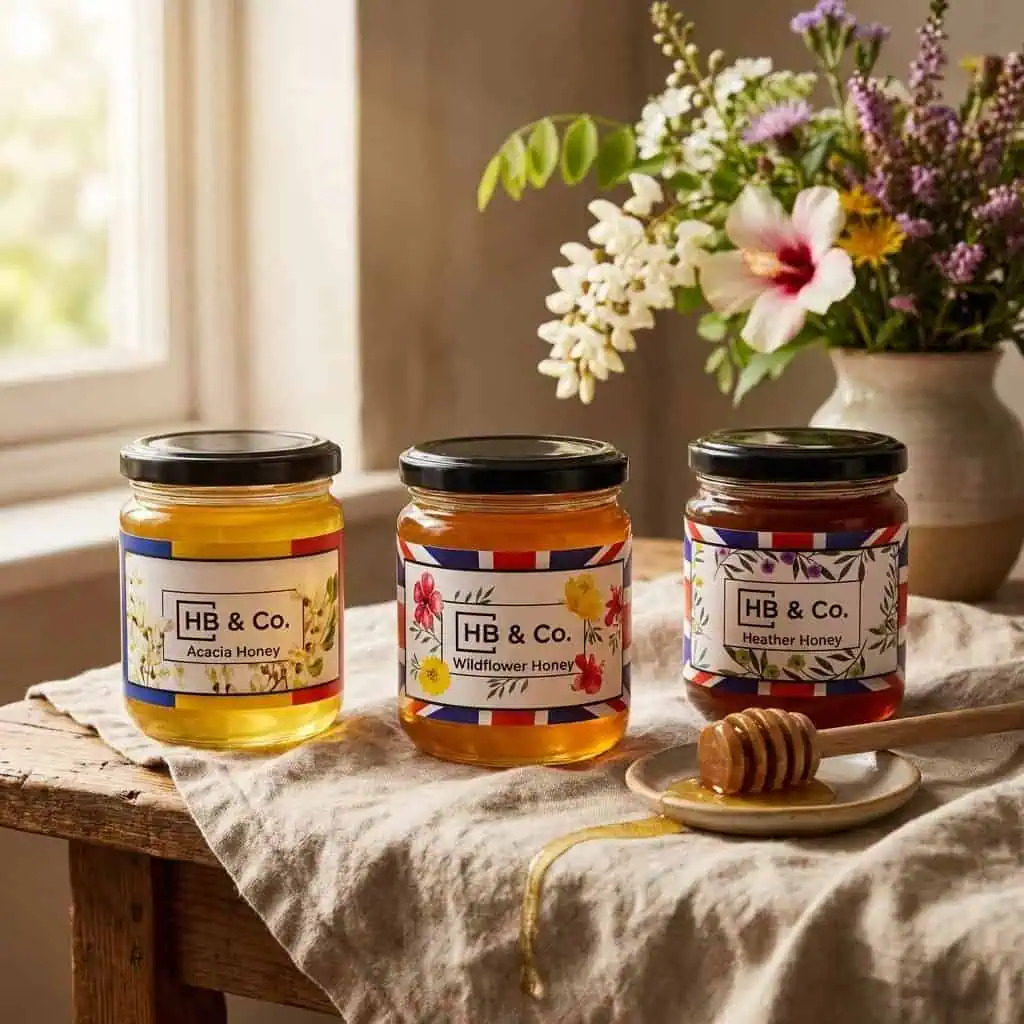
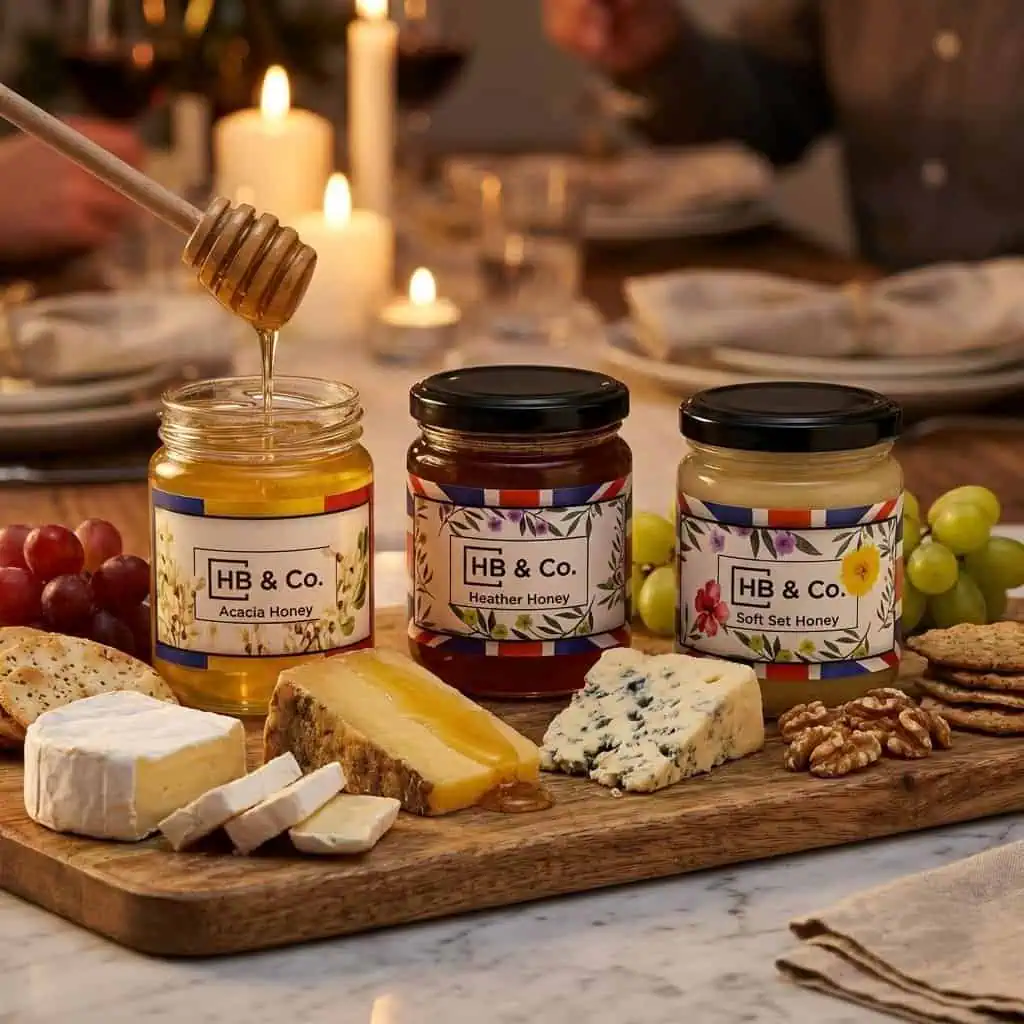
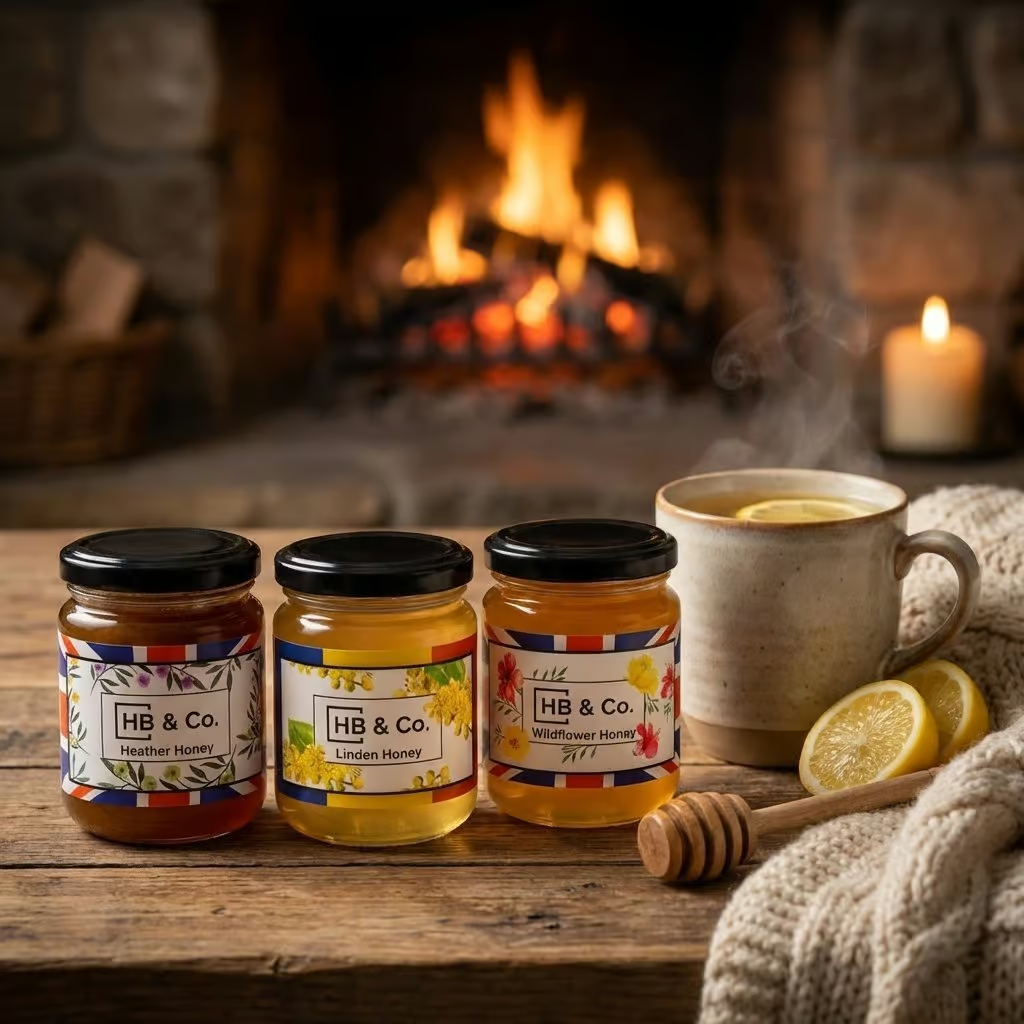
Raw Honey. Shop HoneyBee & Co.
Single-origin raw honey from Transylvanian family apiaries and a SALSA-certified British supplier. Six varieties, all cold-extracted and fully traceable. Free UK delivery on three or more jars.
Frequently Asked Questions
Which Filipino foods disappear without bees?
Tamarind, tomatoes, onions, cucumbers, avocado, aubergine, mango, coconut, lychee, and strawberries are all significantly pollinator-dependent. Rice, pork, chicken, vinegar, and garlic are largely unaffected.
How many bee species live in the Philippines?
The Philippines has over 400 native bee species with high endemism across its 7,600 islands. Key species include Apis cerana philippina (endemic subspecies) and multiple stingless bee species. Approximately 63% are at risk.
What is the Philippine honeybee?
Apis cerana philippina is a honeybee subspecies endemic to the Philippines, found nowhere else in the world. It has been managed by indigenous communities for centuries in traditional log hives and pollinates native Filipino crops more effectively than imported European honeybees.
Why is tamarind important to Filipino cooking?
Tamarind is the primary souring agent in Sinigang, arguably the Philippines' most beloved dish, and appears in numerous Filipino sauces. It carries a 65% pollinator dependency rating under Klein et al. (2007). Without pollinators, tamarind fruit set falls significantly, threatening the sour flavour tradition central to Filipino food culture.
Does Philippine mango depend on bees?
Yes, at 25% modest dependency. Philippine Carabao mango holds an EU geographical indication and is considered among the world's finest. A 25% pollinator-driven yield reduction would significantly impact the commercial mango export sector.
What percentage of Filipino food requires pollinators?
Filipino cuisine's defining ingredients - tamarind (65%), tomatoes (65%), onions (65%), cucumbers (95%), and avocado (95%) - are all significantly pollinator-dependent under Klein et al. (2007). Rice, pork, and vinegar are unaffected.