

 English (UK)
  Italiano
  Français
  简体中文
简体中文  한국어
한국어 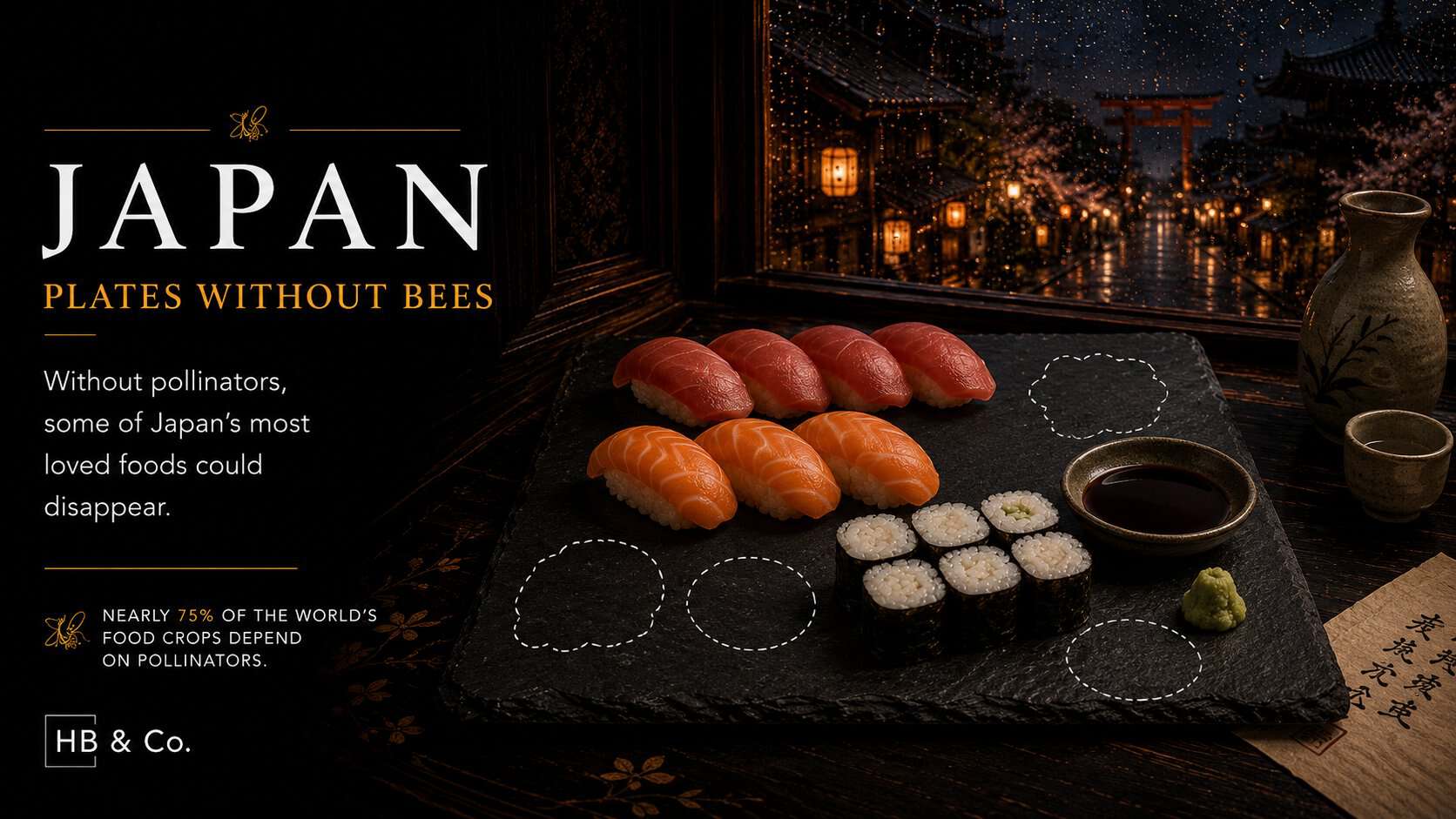
Japan's Plate Without Bees
Six iconic Japanese dishes. Over 400 native bee species. What vanishes from the plate when the pollinators disappear.
 United Kingdom
 Italy
Italy
 France
 Spain
Spain
 Germany
 Greece
 Portugal
 Romania
 Turkey
 United States
 Mexico
 Brazil
 Argentina
 Peru
Peru
 Colombia
 China
China
 Japan
Japan
 South Korea
 Thailand
 Vietnam
 Indonesia
 Philippines
 India
India
 Pakistan
 Morocco
 Egypt
Egypt
 Lebanon
 Saudi Arabia
 Ethiopia
 Nigeria
- 87 of the world's leading food crops depend on animal pollination to some degree (Klein et al., 2007)
- Without bees, a Hanami Picnic loses every fruit - strawberries, sakura mochi, lychee, and raspberries all require pollinators
- Japan has over 400 native bee species including the Japanese honeybee Apis cerana japonica, found nowhere else on earth
- Miso, a staple of Japanese cooking, depends on soybean production that requires animal pollination
- Japanese strawberry cultivars are among the most prized in the world and carry a 95% pollinator dependency rating
Why Japanese Cuisine Depends on Bees
Japanese food is built on precision, seasonality, and restraint. Rice forms the base of almost every meal. Fish provides the protein. Fermented soy underpins miso, tofu, and edamame. These staples are largely independent of bee pollination - rice and most fish require no animal pollinator to produce. But the ingredients that give Japanese cuisine its character and variety - sesame seeds, cucumbers, edamame, strawberries, lychee, yuzu, ginger, and avocado - are all significantly dependent on pollinators. Without bees, the foundation remains but everything distinctive about it disappears.
Sesame seeds appear across Japanese cooking in ways that are easy to overlook until they are absent. Sesame ramen topping. Sesame dipping sauce for tempura. Sesame dumplings at Hanami. The seeds in gomadare. Sesame carries a 65% pollinator dependency rating under Klein et al. (2007). A Japanese kitchen without sesame is a significantly diminished one.
Japan's strawberry culture is a phenomenon with no equivalent in the world. Premium cultivars such as Amaou, Tochiotome, and Benihoppe are grown in heated greenhouses using techniques refined over decades. A single punnet can sell for thousands of yen in Tokyo department stores. Japanese strawberry production is an art form. It is also 95% dependent on pollinators. In commercial Japanese strawberry greenhouses, Bombus hypocrita - the native Japanese bumblebee - is deployed specifically for buzz-pollination that honeybees cannot perform.
The Science Behind Japanese Crop Pollination
The dependency ratings in this tool come from Klein et al. (2007). For Japanese agriculture, key dependencies include cucumbers (95%), strawberries (95%), lychee (95%), edamame and soybeans (65%), sesame (65%), ginger (65%), and yuzu citrus (65%). Japan's temperate climate and precision agriculture make it a world leader in the production of pollinator-dependent specialty crops, from Kyoto strawberries to Kochi yuzu to Niigata edamame.
Japan also produces significant volumes of miso, which depends on soybean production. Soybeans carry a 65% pollinator dependency rating - they can self-pollinate but yield substantially more with bee visitation. Japan's fermented food culture, from miso to natto to edamame, rests partly on bee-pollinated soybean fields.
The Japanese Honeybee and the European Connection
Apis cerana japonica is found only in Japan. It is smaller and darker than the European Apis mellifera, produces less honey, and cannot be managed in standard Western hive systems. But it is irreplaceable in the Japanese ecosystem. It has evolved alongside native Japanese plants and predators over millions of years, developing behaviours - including the remarkable heat-ball defence against giant hornets - that no imported honeybee can replicate. Traditional Japanese beekeepers keep it in hollow logs and ceramic vessels using methods unchanged for centuries.
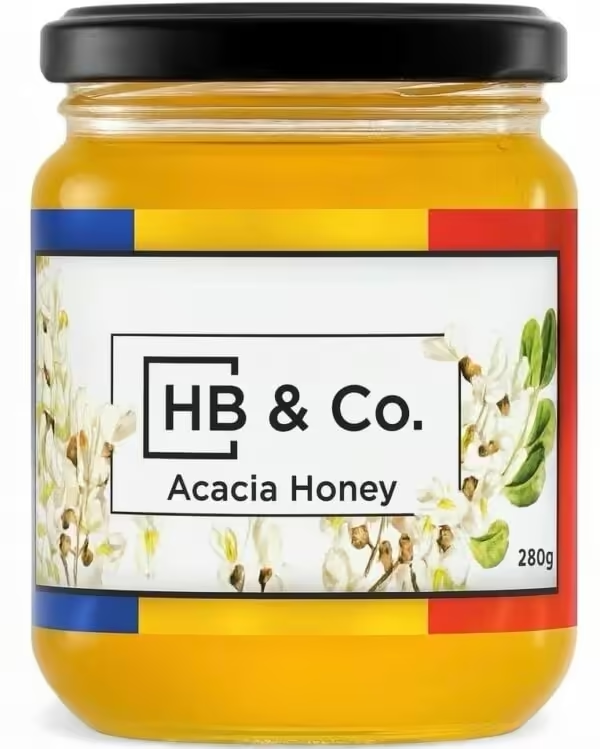
Our Acacia Honey comes from European Apis mellifera colonies in Transylvania - a different species and a different continent, but the same fundamental relationship between beekeeper, landscape, and bee. Read more on the About page, or explore our raw honey subscription and save 20% on every delivery.
What You Can Do
Plant flowering plants suited to your local climate. Eliminate pesticide use from any outdoor space. Support beekeepers who practise ethical, traceable beekeeping. Explore the World Bee Atlas to discover which bee species are native to Japan. To read more about why bee populations are declining globally, see our article on why bee populations are declining.
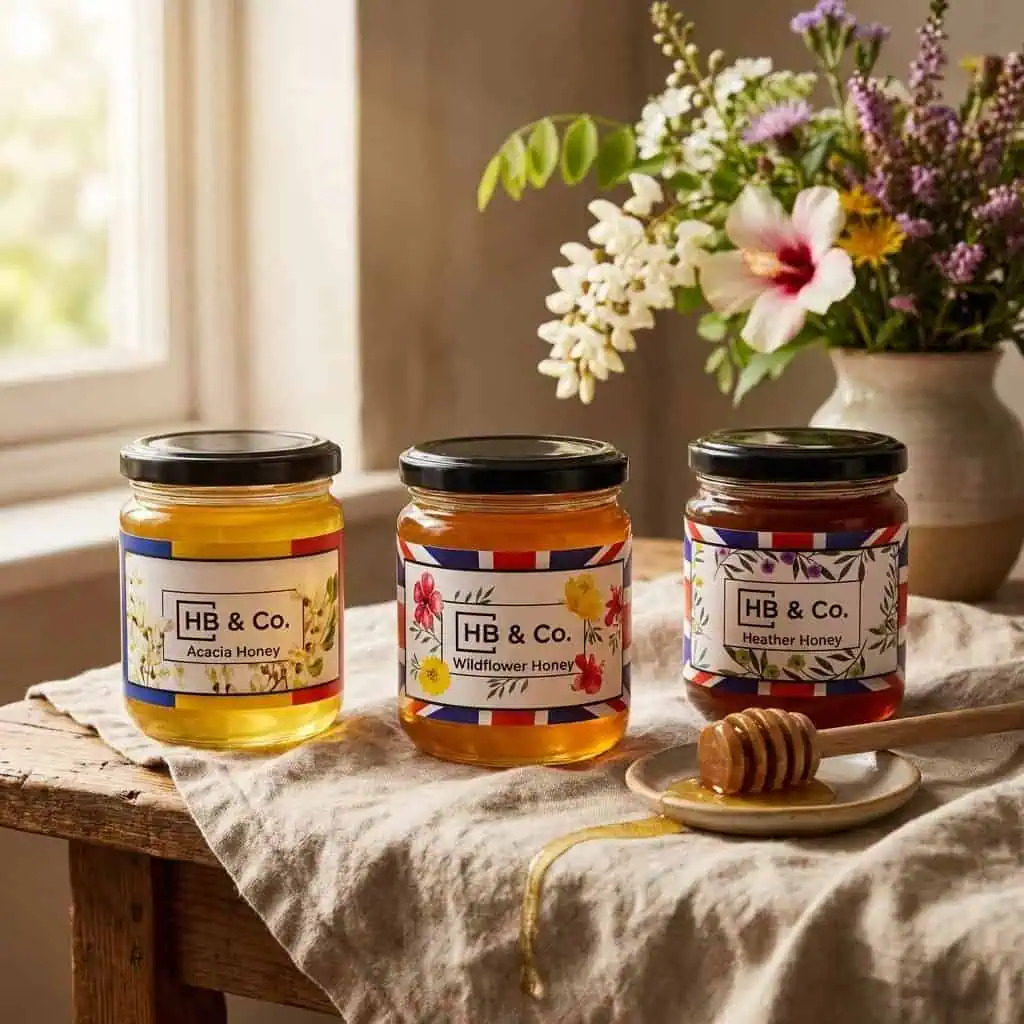
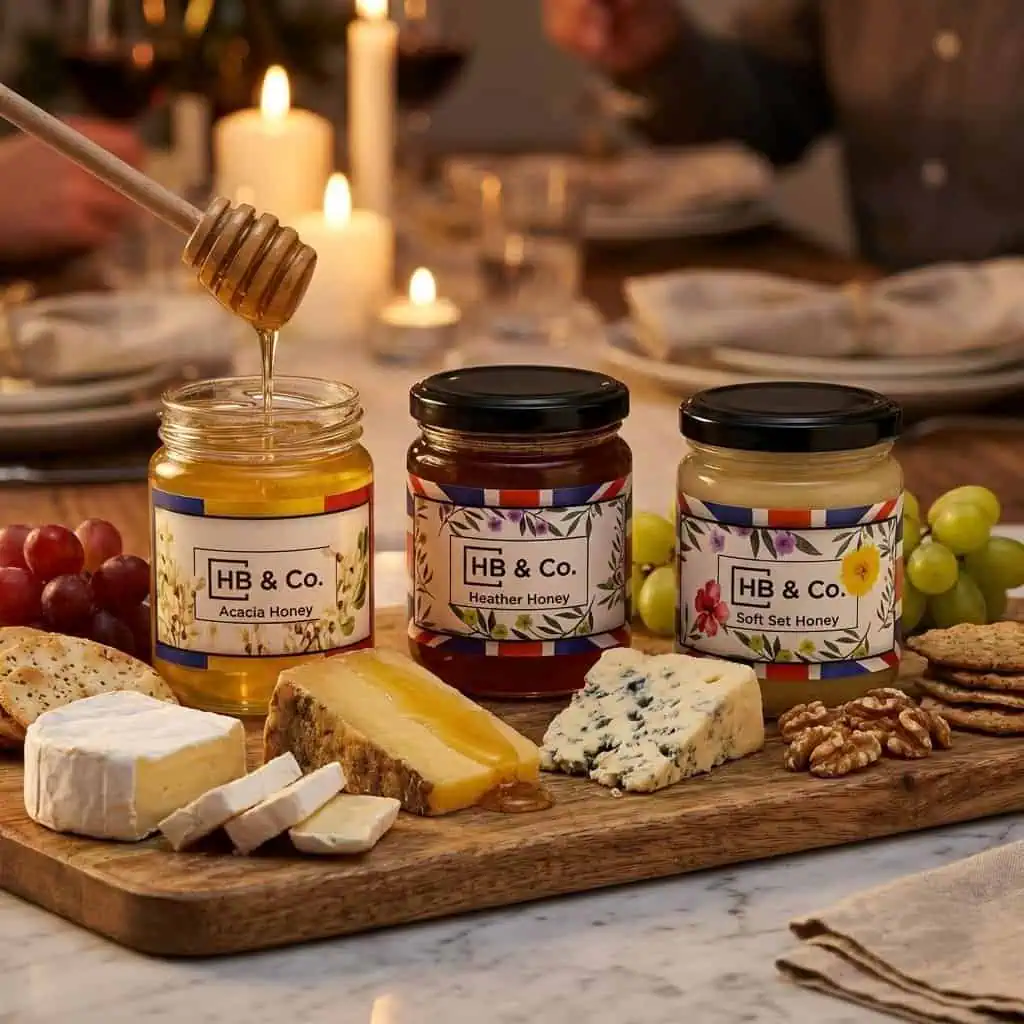
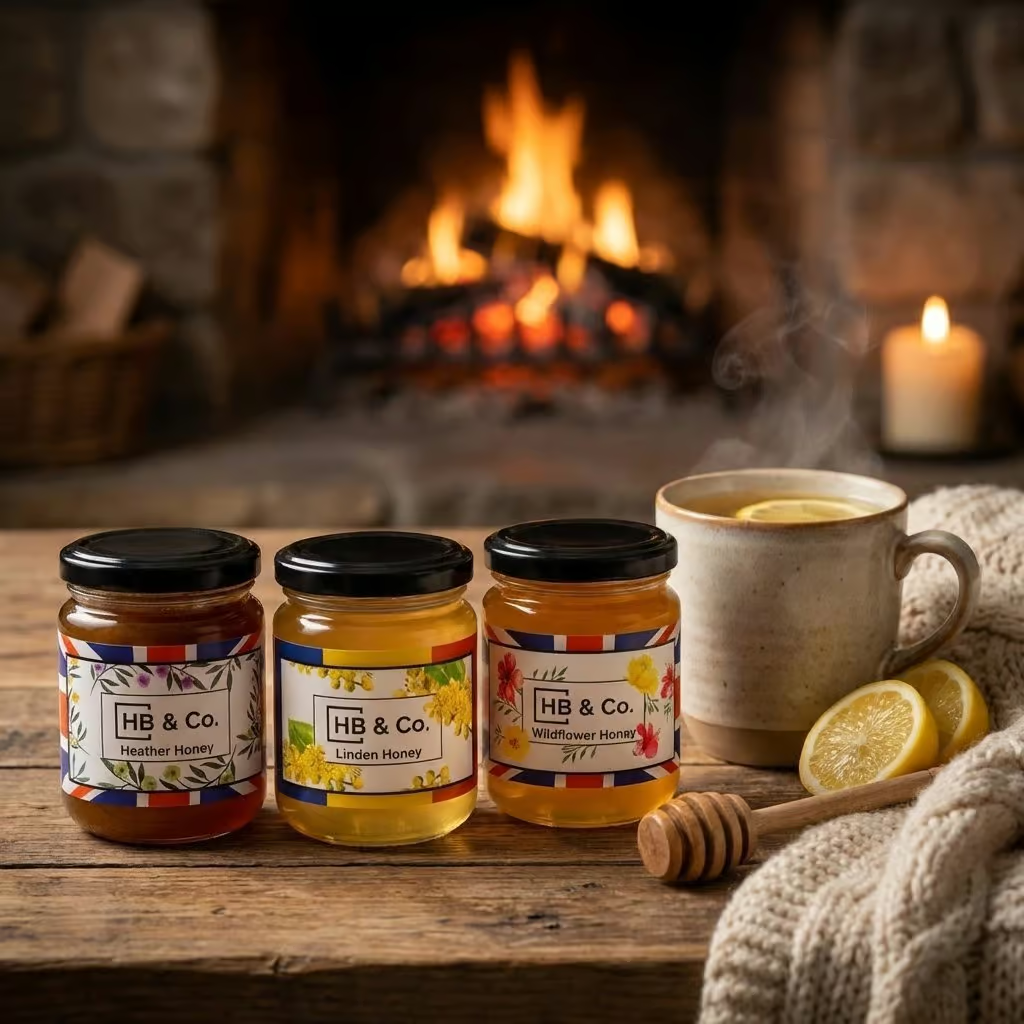
Raw Honey. Shop HoneyBee & Co.
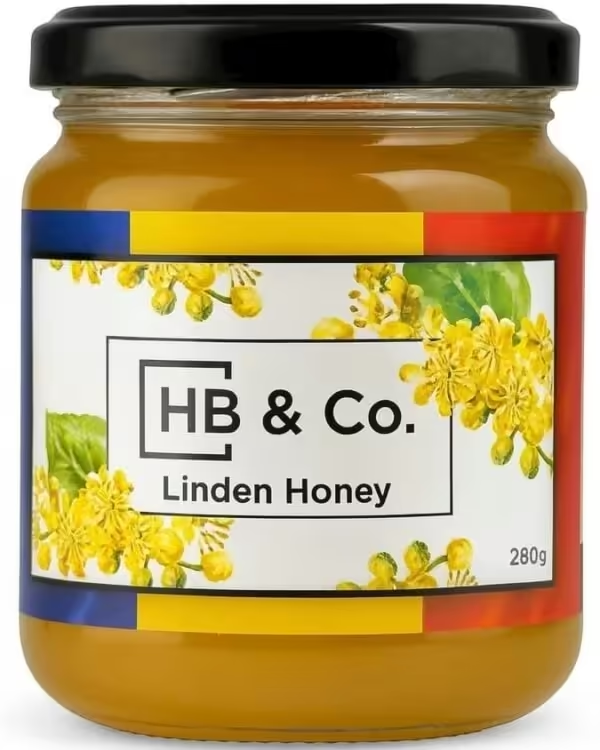
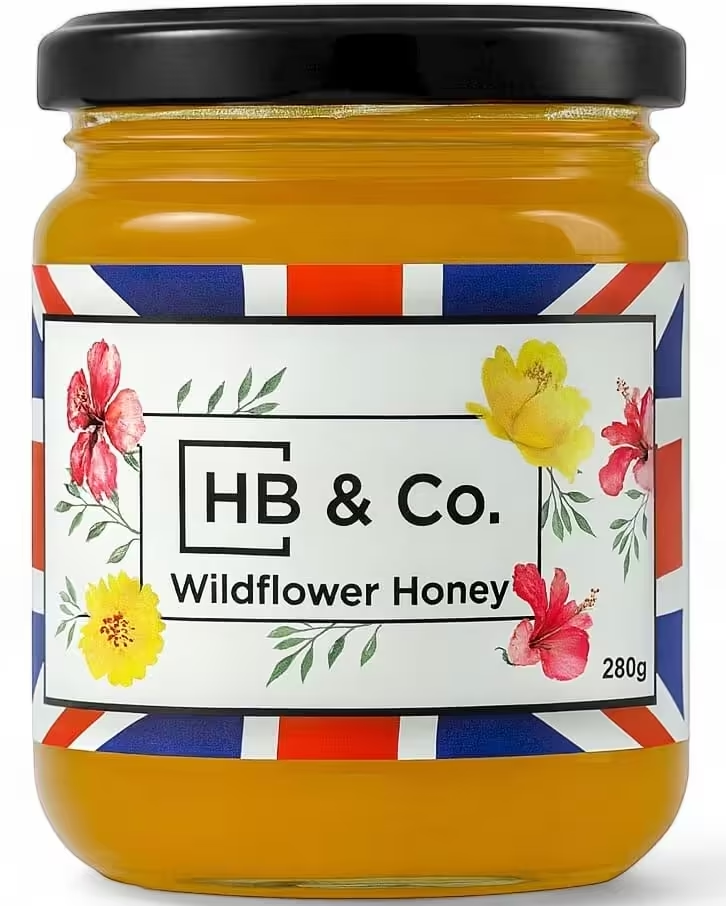
Single-origin raw honey from Transylvanian family apiaries and a SALSA-certified British supplier. Six varieties, all cold-extracted and fully traceable. Free UK delivery on three or more jars.
Frequently Asked Questions
Which Japanese foods disappear without bees?
Cucumbers, avocado, edamame, strawberries, lychee, sesame seeds, ginger, miso, spring onion, and yuzu are all significantly pollinator-dependent. Rice, fish, nori, and plain tofu are largely unaffected as they rely on wind pollination, aquaculture, or vegetative propagation rather than animal pollinators.
How many bee species live in Japan?
Japan has over 400 native bee species across its four main islands, with higher diversity in the subtropical Ryukyu Islands. The native Japanese honeybee Apis cerana japonica is found only in Japan. Key bumblebee species include Bombus hypocrita, used commercially in strawberry and tomato greenhouses. Approximately 48% of Japanese bee species are at risk.
Does Japanese miso depend on bees?
Yes, modestly. Miso is made from fermented soybeans, which carry a 65% pollinator dependency rating under Klein et al. (2007). Soybeans can partially self-pollinate but yield substantially more with bee visitation. Japan's fermented food culture - miso, natto, edamame, soy sauce - rests partly on bee-pollinated soybean agriculture.
Why are Japanese strawberries so prized and why do they need bees?
Japan produces some of the world's most celebrated strawberry cultivars including Amaou, Tochiotome, and Benihoppe. They are grown in heated greenhouses using precision techniques and can sell for thousands of yen per punnet. Strawberries carry a 95% pollinator dependency rating and require buzz-pollination. Commercial Japanese strawberry greenhouses deploy Bombus hypocrita, the native Japanese bumblebee, specifically for this purpose.
What is the Japanese honeybee?
Apis cerana japonica is a honeybee subspecies found only in Japan. It is smaller than European Apis mellifera, produces less honey, and has evolved remarkable defences against the Japanese giant hornet - worker bees form a ball around an intruder and generate lethal heat by vibrating their flight muscles. Traditional Japanese beekeepers keep it in hollow logs and ceramic vessels using methods centuries old.
What percentage of Japanese food requires pollinators?
Japanese staples like rice and fish have low direct pollinator dependency. But the ingredients that define Japanese food culture - sesame, cucumbers, strawberries, lychee, edamame, and yuzu - are 65% to 95% pollinator-dependent under Klein et al. (2007). Without pollinators, Japanese cuisine loses its most distinctive seasonal and flavour ingredients.