

 English (UK)
  Italiano
  Français
  简体中文
简体中文  한국어
한국어 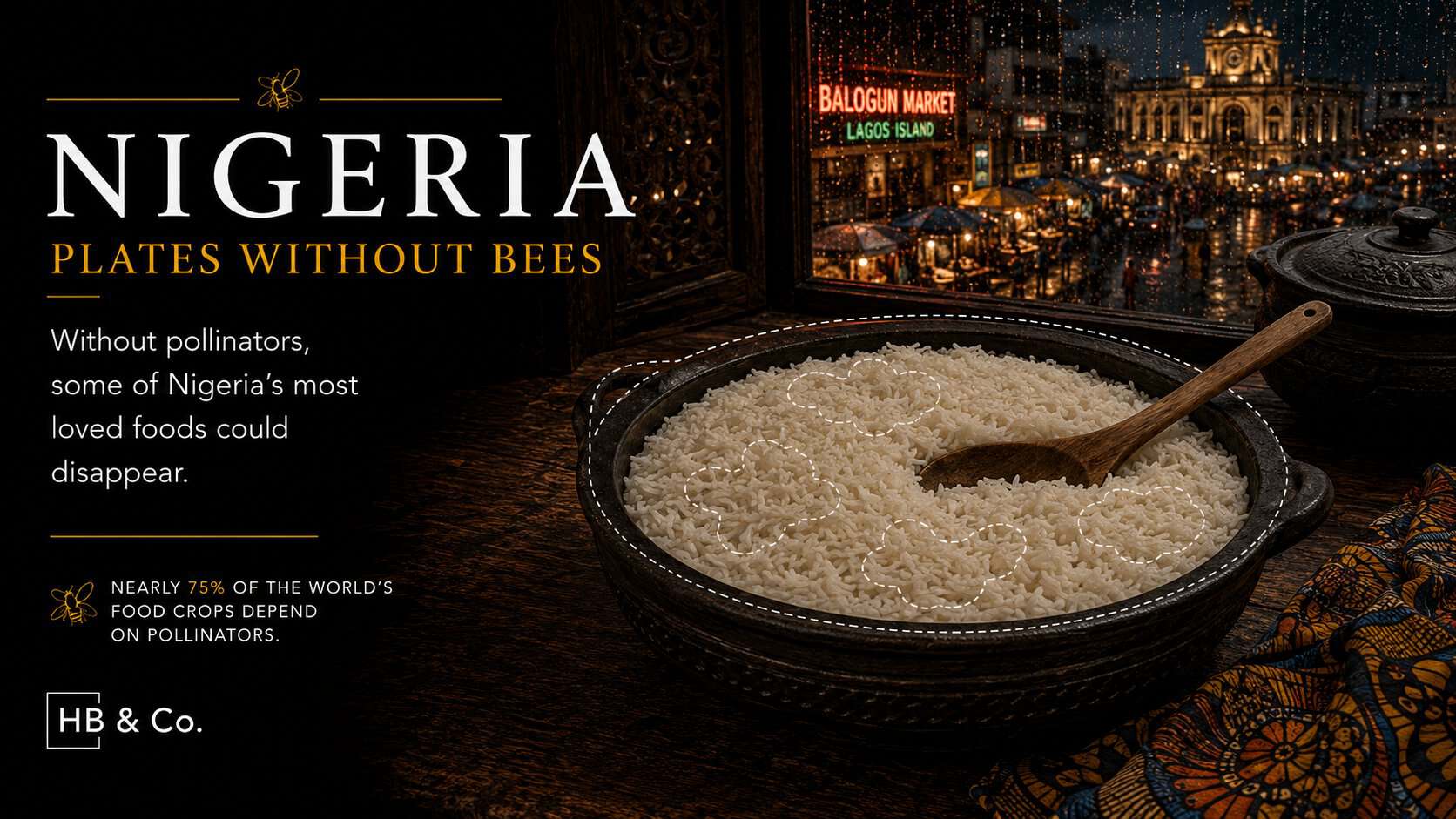
Nigeria's Plate Without Bees
Six iconic Nigerian dishes. Over 700 native bee species. What vanishes from the plate when the pollinators disappear.
 United Kingdom
 Italy
Italy
 France
 Spain
Spain
 Germany
 Greece
 Portugal
 Romania
 Turkey
 United States
 Mexico
 Brazil
 Argentina
 Peru
Peru
 Colombia
 China
China
 Japan
Japan
 South Korea
 Thailand
 Vietnam
 Indonesia
 Philippines
 India
India
 Pakistan
 Morocco
 Egypt
Egypt
 Lebanon
 Saudi Arabia
 Ethiopia
 Nigeria
- 87 of the world's leading food crops depend on animal pollination to some degree (Klein et al., 2007)
- Without bees, Nigerian Jollof Rice loses its tomato, onion, and red pepper base - the entire stew foundation of the most debated dish in West Africa is pollinator-dependent
- Nigeria has over 700 native bee species spanning rainforest, savanna, and Sahel ecosystems
- The Nigerian Holy Trinity of cooking - tomatoes, onions, and red peppers - are all 65% pollinator-dependent
- Traditional log hive beekeeping in Nigeria's Middle Belt has been practised for thousands of years
Why Nigerian Cuisine Depends on Bees
Nigerian cooking is defined by the Holy Trinity: tomatoes, onions, and red peppers. These three ingredients form the base of virtually every Nigerian stew, soup, and sauce. All three carry 65% pollinator dependency under Klein et al. (2007). Without pollinators, the Nigerian kitchen loses its most fundamental flavour base. Jollof Rice - the dish at the centre of West Africa's most celebrated food debate - is defined entirely by its tomato-pepper sauce. The rice is wind-pollinated and unaffected. But the tomato base (65%), red pepper blend (65%), and onion foundation (65%) are all pollinator-dependent. Without bees, Nigerian Jollof Rice becomes seasoned white rice. Egusi Soup loses its deep red stew base. Suya loses its tomato-onion accompaniment. The cuisine that defines Nigerian hospitality empties of flavour.
Traditional beekeeping in Nigeria's Middle Belt - spanning Plateau State, Taraba, and neighbouring regions - has been practised for thousands of years using traditional log hives hung in trees. Nigerian honey is used extensively in traditional medicine and is prized in certain regional food traditions. The informal nature of Nigerian honey production means official statistics significantly undercount actual volumes. The Apis mellifera jemenitica colonies that produce Nigerian traditional honey are adapted to Nigerian vegetation and seasonal flowering patterns in ways that imported European subspecies cannot replicate.
The Science Behind Nigerian Crop Pollination
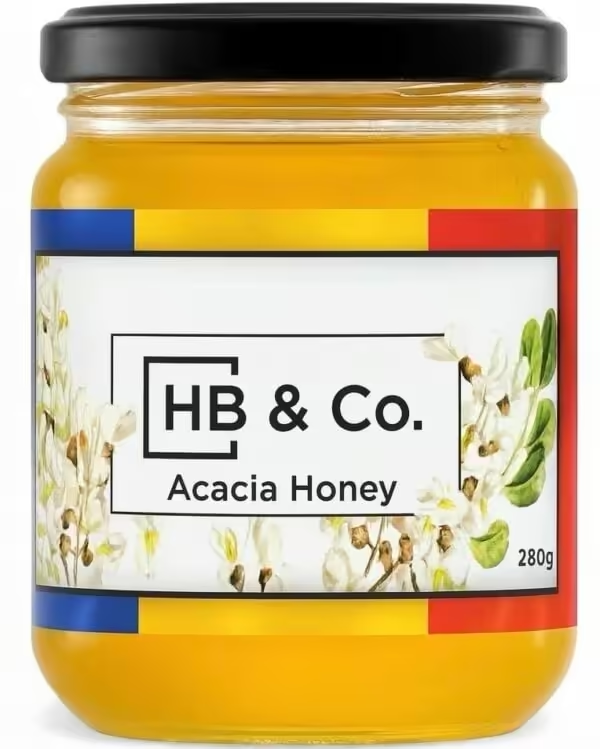
Key Nigerian pollinator dependencies: tomatoes (65%), onions (65%), red peppers (65%), cucumbers (95%), coriander (65%), and lemon (65%). Our Acacia Honey comes from European Apis mellifera in Transylvania. Read more on the About page, try our honey subscription and save 20%, or explore the World Bee Atlas. For bee decline, read our article on why bee populations are declining.
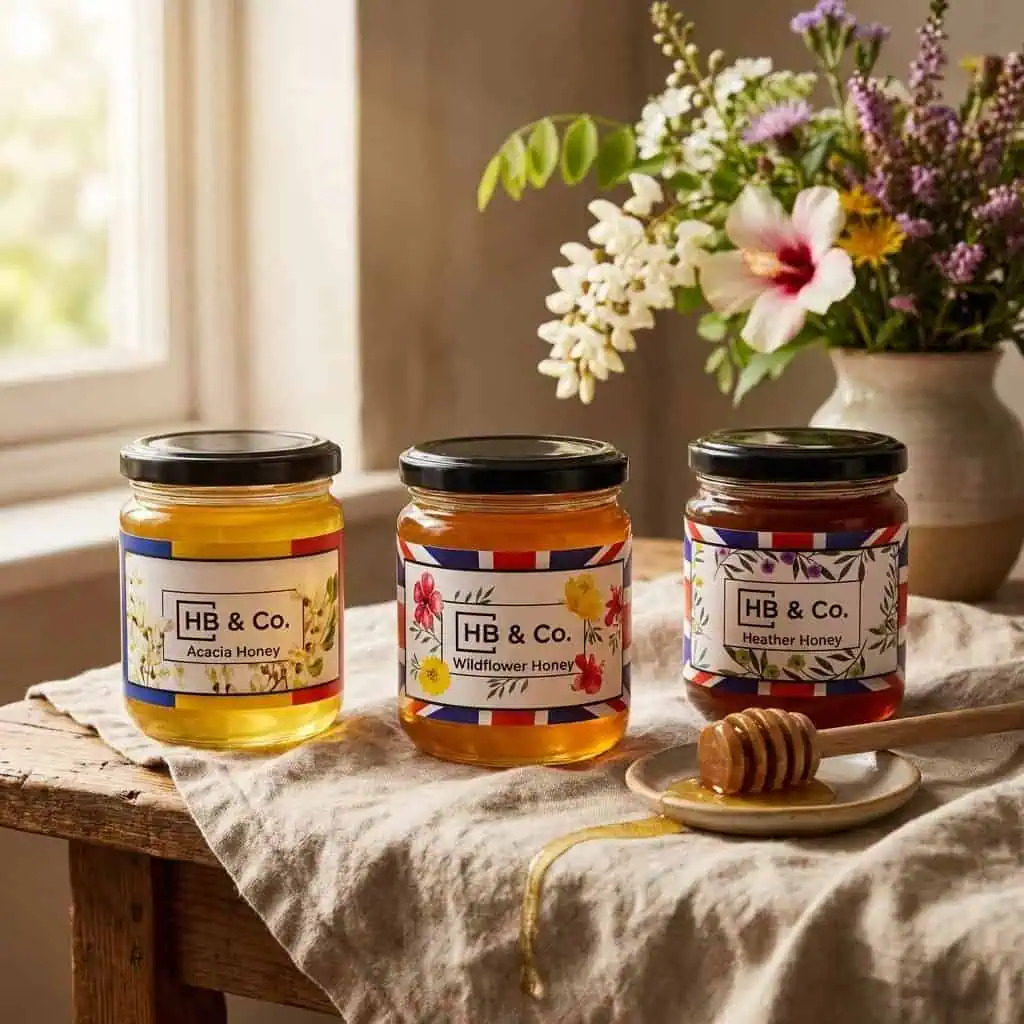
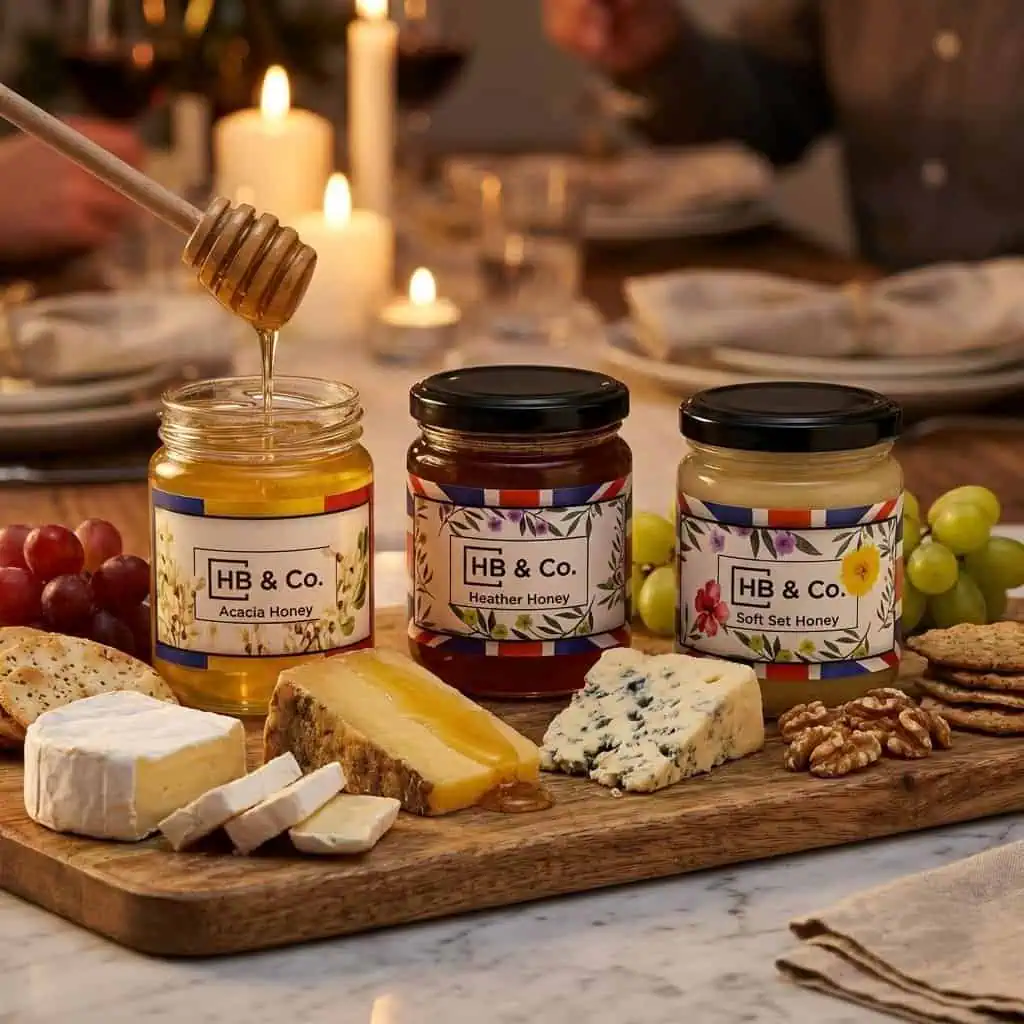
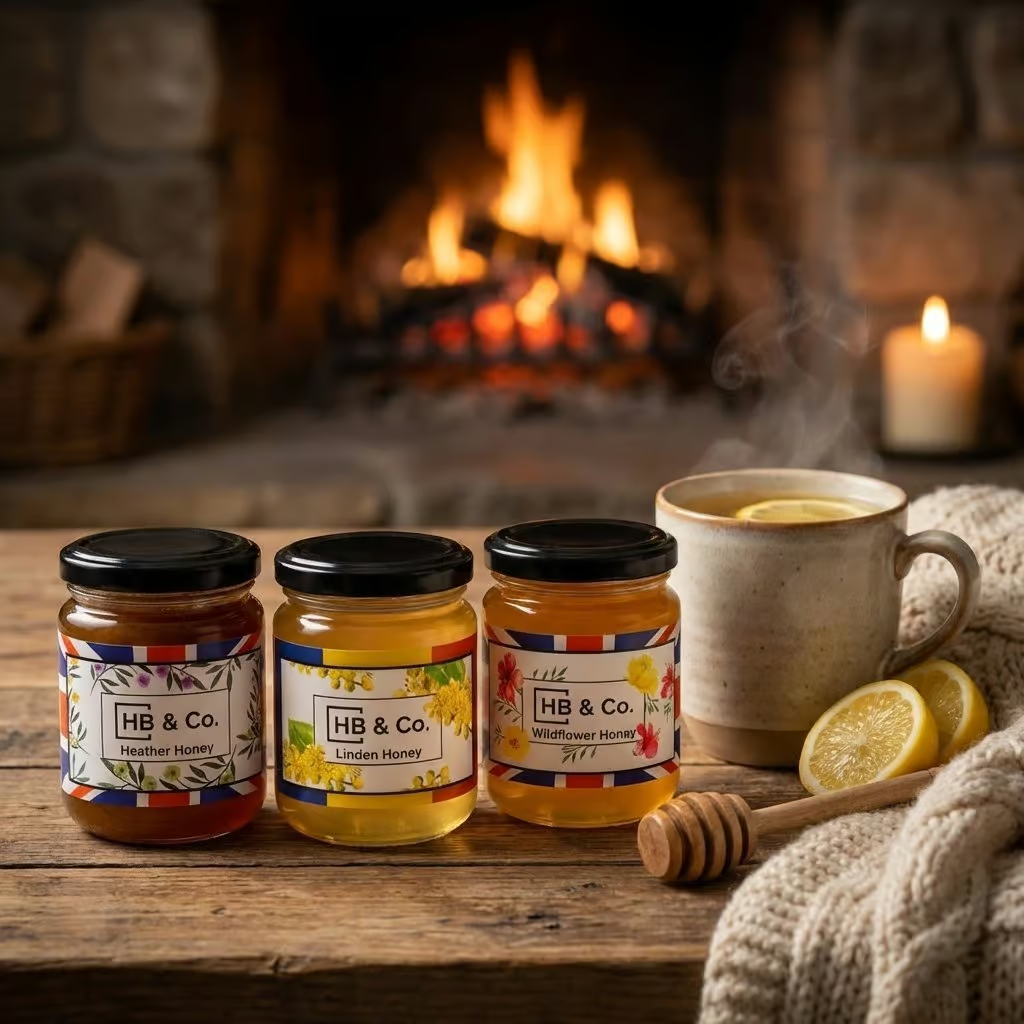
Raw Honey. Shop HoneyBee & Co.
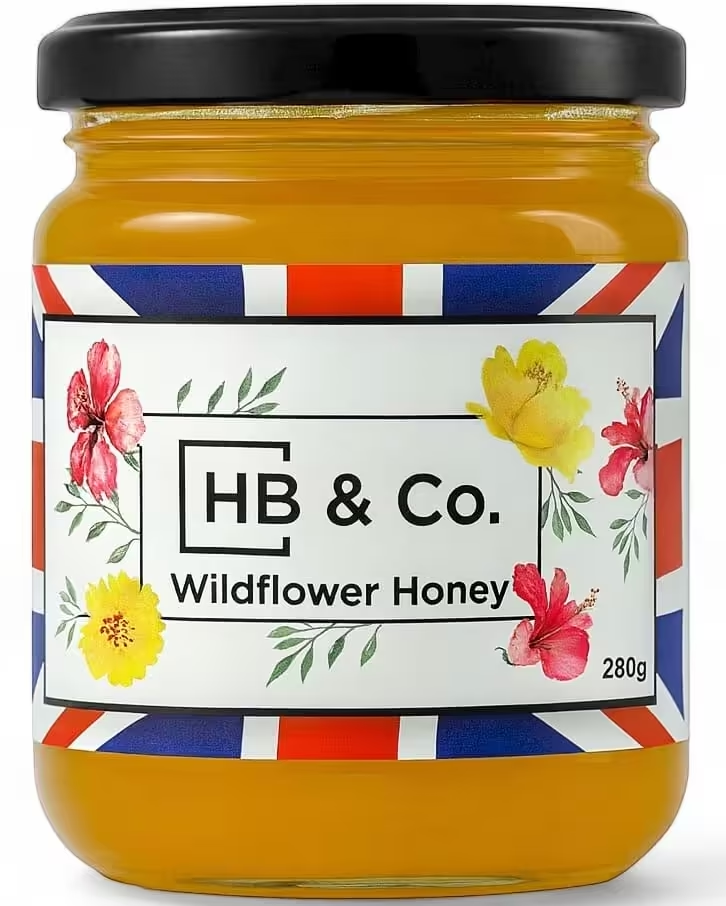
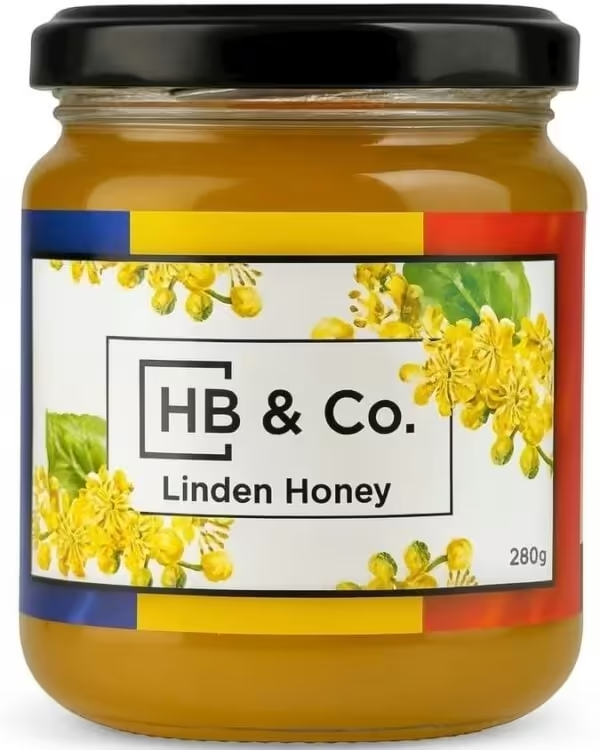
Single-origin raw honey from Transylvanian family apiaries and a SALSA-certified British supplier. Six varieties, all cold-extracted and fully traceable. Free UK delivery on three or more jars.
Frequently Asked Questions
Which Nigerian foods disappear without bees?
Tomatoes, onions, red peppers, cucumbers, coriander, and lemon are all significantly pollinator-dependent. Rice, beans, yam, cassava, pork, and fish are largely unaffected. The stew and sauce tradition that defines Nigerian cooking is built entirely on pollinator-dependent ingredients.
How many bee species live in Nigeria?
Nigeria has over 700 native bee species spanning rainforest, Guinea savanna, and semi-arid Sahel ecosystems. Key species include Apis mellifera jemenitica. Traditional log hive beekeeping in Nigeria's Middle Belt has been practised for thousands of years. Approximately 67% are at risk.
Does Jollof Rice depend on bees?
The rice itself does not - rice is wind-pollinated and unaffected. But the tomato-pepper sauce - tomatoes (65%), red peppers (65%), and onion (65%) - is entirely pollinator-dependent under Klein et al. (2007). Without bees, Jollof Rice becomes seasoned white rice.
What is the Nigerian Holy Trinity of cooking?
Tomatoes, onions, and red peppers - the base of virtually every Nigerian stew, soup, and sauce. All three carry 65% pollinator dependency under Klein et al. (2007). The entire flavour architecture of Nigerian cooking is built on these three pollinator-dependent ingredients.
Is Nigeria a honey-producing country?
Yes. Traditional log hive beekeeping in Nigeria's Middle Belt has been practised for thousands of years. Nigerian honey is used extensively in traditional medicine. The informal nature of production means official statistics significantly undercount actual volumes.
What percentage of Nigerian food requires pollinators?
Nigerian cuisine's defining base - tomatoes (65%), onions (65%), and red peppers (65%) - is all significantly pollinator-dependent under Klein et al. (2007). Rice, yam, cassava, beans, and most proteins are unaffected.