
 English (UK)
  Italiano
  Français
  简体中文
简体中文  한국어
한국어 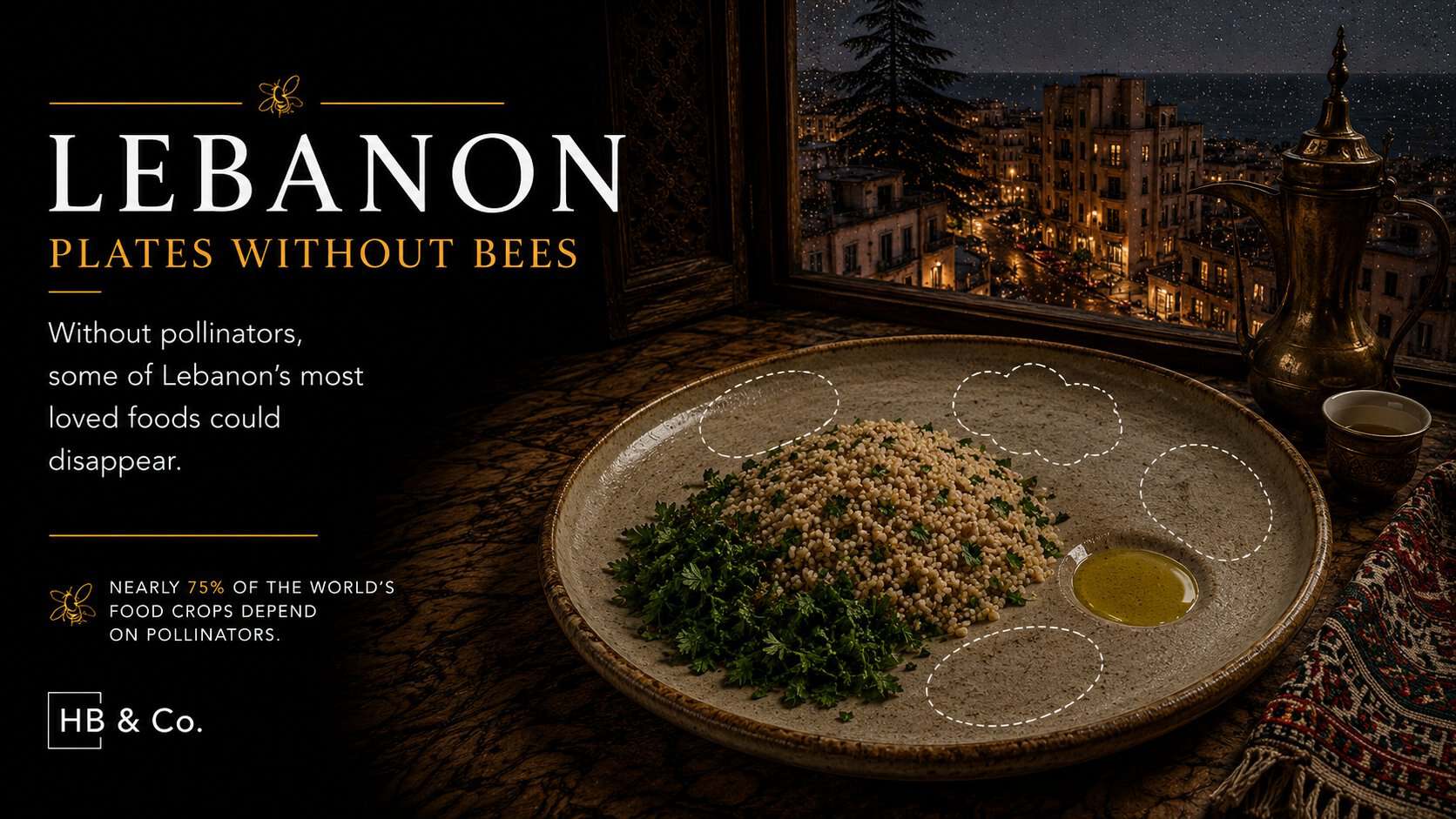
Lebanon's Plate Without Bees
Six iconic Lebanese dishes. Over 400 native bee species. What vanishes from the plate when the pollinators disappear.
 United Kingdom
 Italy
Italy
 France
 Spain
Spain
 Germany
 Greece
 Portugal
 Romania
 Turkey
 United States
 Mexico
 Brazil
 Argentina
 Peru
Peru
 Colombia
 China
China
 Japan
Japan
 South Korea
 Thailand
 Vietnam
 Indonesia
 Philippines
 India
India
 Pakistan
 Morocco
 Egypt
Egypt
 Lebanon
 Saudi Arabia
 Ethiopia
 Nigeria
- 87 of the world's leading food crops depend on animal pollination to some degree (Klein et al., 2007)
- Without bees, Lebanese Tabbouleh loses its tomatoes, cucumber, and lemon - three of its four primary fresh ingredients are pollinator-dependent
- Lebanon has over 400 native bee species in roughly 10,000 square kilometres - among the highest bee densities per area in the Middle East
- Lebanese thyme honey from the Chouf mountains is among the most celebrated monofloral honeys in the Arab world
- Lebanese pomegranate molasses, used across the cuisine, comes from pomegranates that carry a 65% pollinator dependency rating
Why Lebanese Cuisine Depends on Bees
Lebanese mezze is the most diverse vegetable table in the Arab world. Fattoush contains tomatoes (65%), cucumber (95%), and pomegranate seeds (65%). Tabbouleh contains tomatoes (65%), cucumber (95%), and lemon (65%). Hummus contains chickpeas (65%) and lemon (65%). Kibbeh contains onion (65%) and pomegranate molasses (65%). The Lebanese table, plate by plate, is a map of pollinator dependency. Without bees, the most vegetable-rich cuisine in the Middle East becomes bread, oil, and salt. Tabbouleh without its tomatoes, cucumber, and lemon becomes parsley with bulgur - a grain dish, not a salad. The freshness that defines Lebanese food culture disappears.
Apis mellifera syriaca, the Syrian honeybee, is native to Lebanon, Syria, Jordan, and Israel. It is adapted to Levantine Mediterranean climate and has been managed in clay and wooden hives in this landscape for thousands of years. Lebanese thyme honey from the Chouf mountains, produced by managed Apis mellifera syriaca foraging on wild thyme, is among the most celebrated monofloral honeys in the Arab world. Lebanon has extraordinary bee density per square kilometre - the combination of cedar mountain ranges, Mediterranean coast, and Bekaa Valley floor creates diverse habitats within a very small geographic area.
The Science Behind Lebanese Crop Pollination
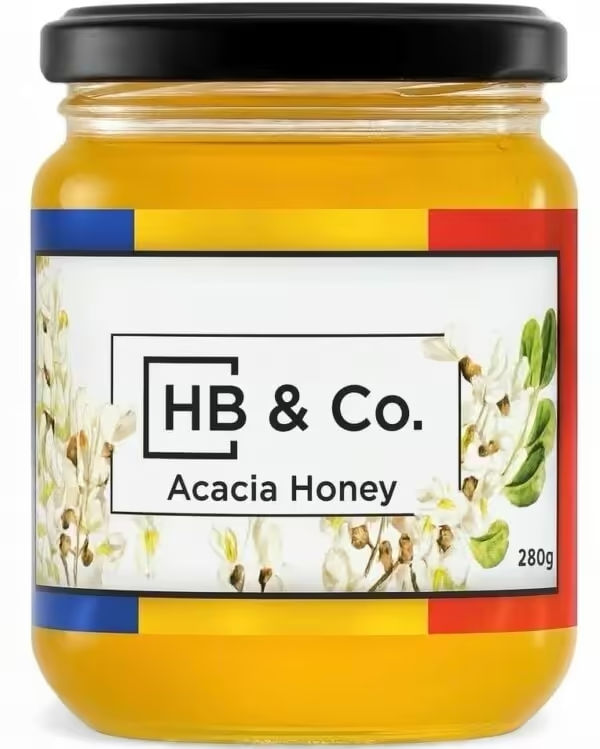
Key Lebanese pollinator dependencies: tomatoes (65%), cucumbers (95%), pomegranate (65%), lemon (65%), almonds (65%), chickpeas (65%), sesame (65%), and honey (95%). Our Acacia Honey comes from Transylvanian Carpathian forests. Read more on the About page, try our honey subscription and save 20%, or explore the World Bee Atlas. For bee decline, read our article on why bee populations are declining.
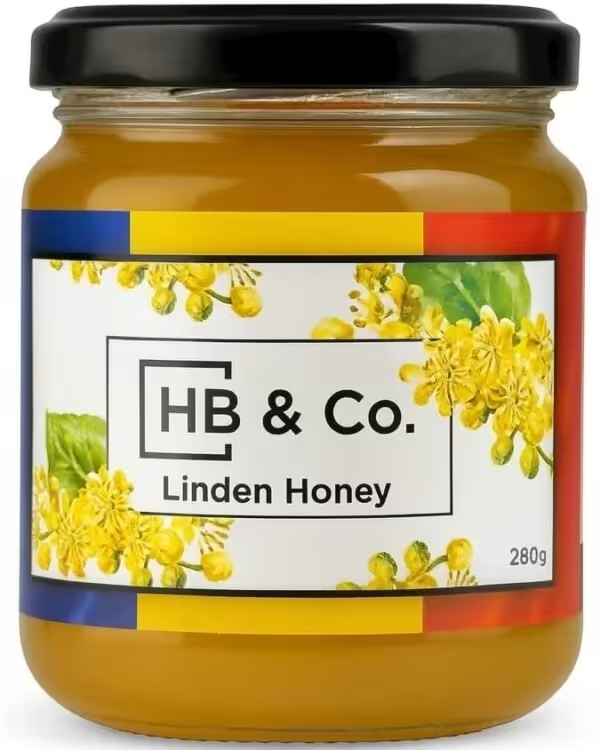
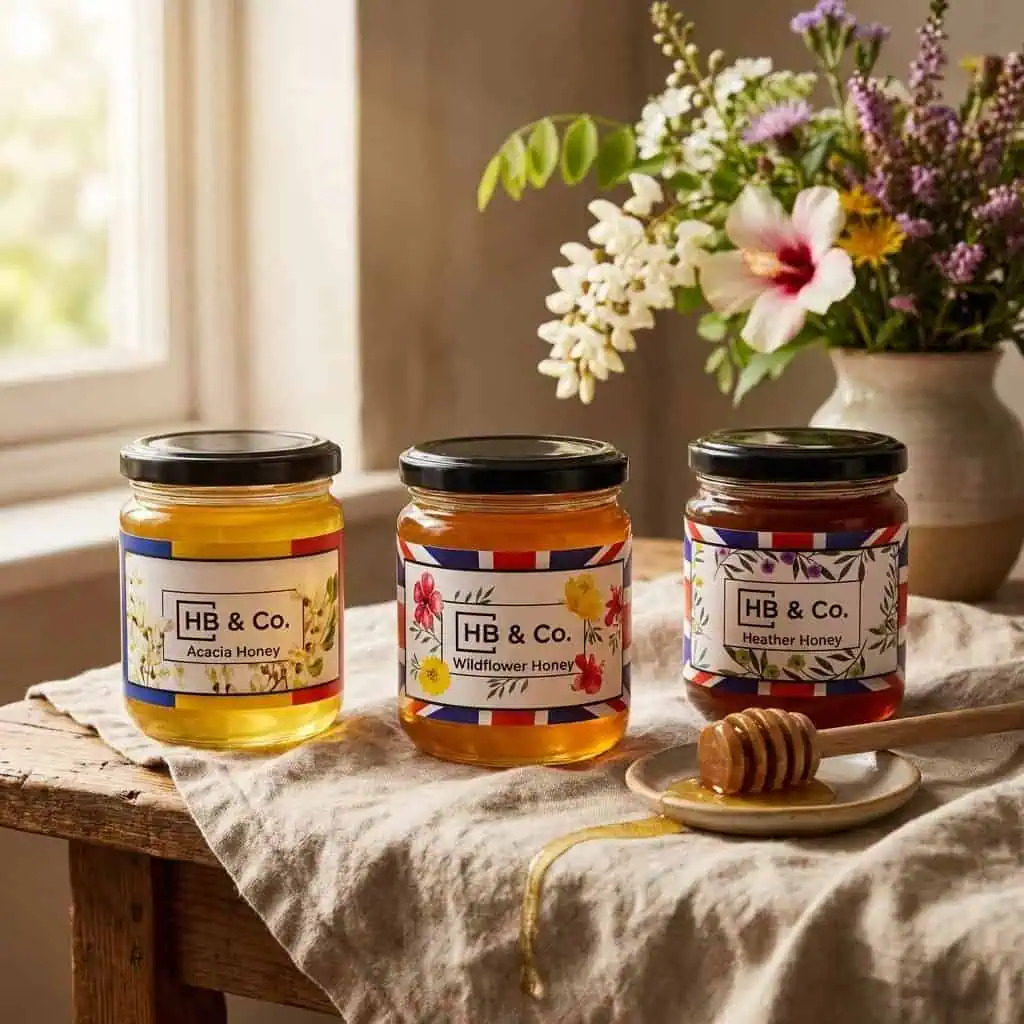
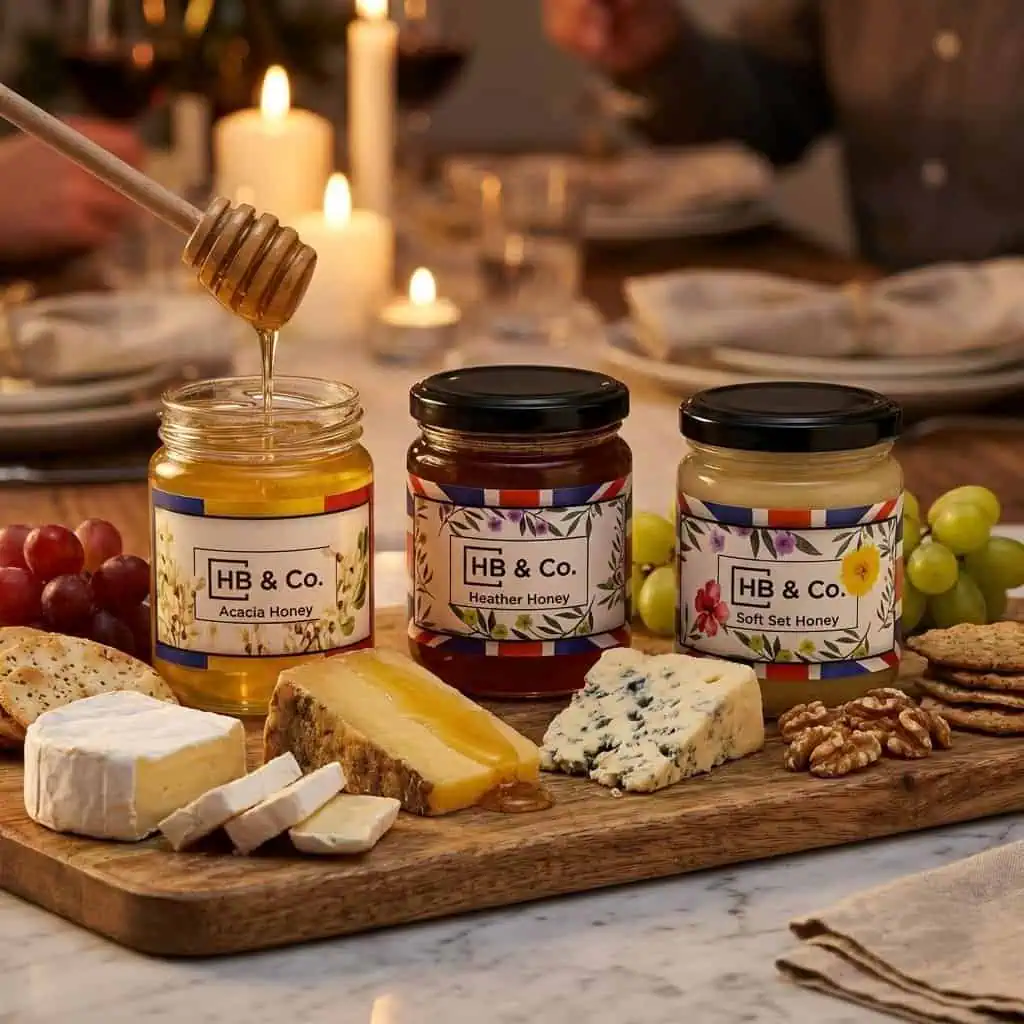
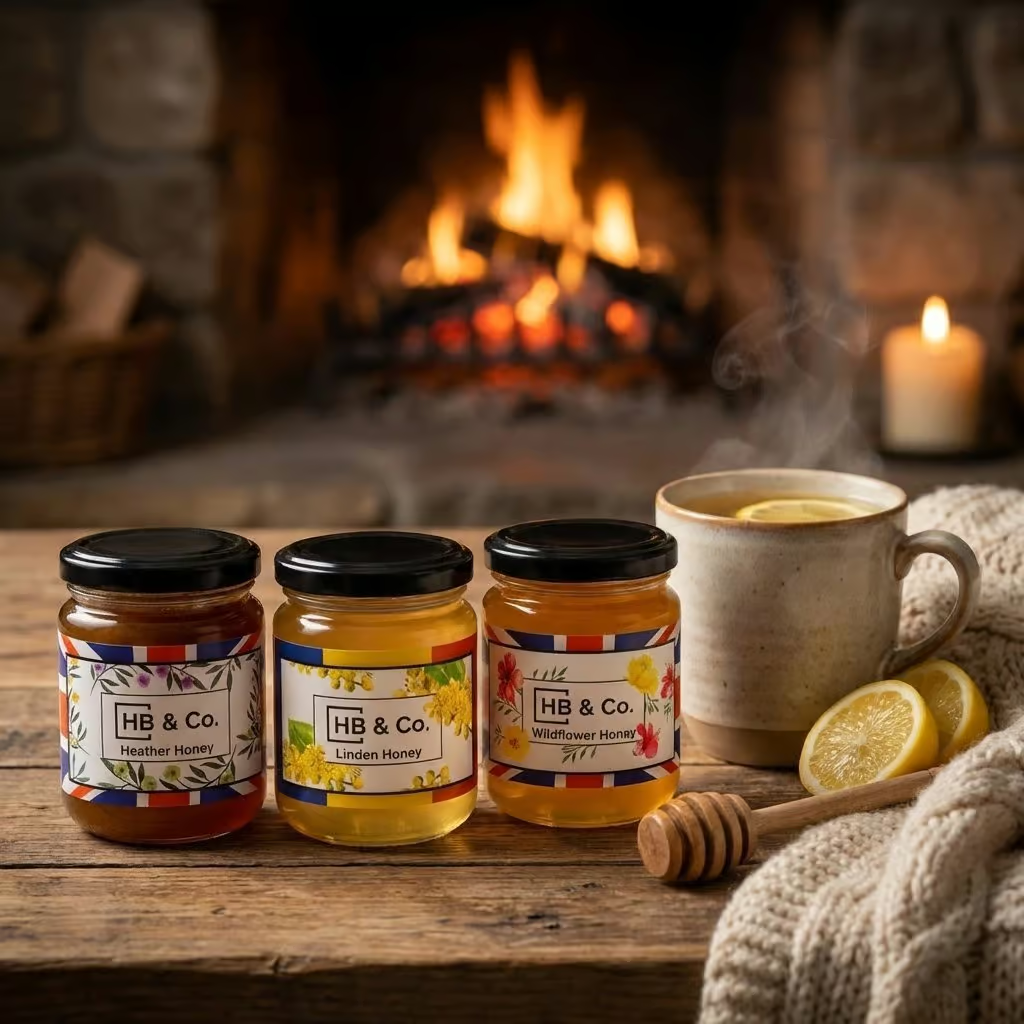
Raw Honey. Shop HoneyBee & Co.
Single-origin raw honey from Transylvanian family apiaries and a SALSA-certified British supplier. Six varieties, all cold-extracted and fully traceable. Free UK delivery on three or more jars.
Frequently Asked Questions
Which Lebanese foods disappear without bees?
Tomatoes, cucumbers, pomegranate, lemon, chickpeas, almonds, sesame seeds, and honey are all significantly pollinator-dependent. Wheat, rice, lamb, and olive oil are largely unaffected. The Lebanese mezze tradition is built almost entirely on pollinator-dependent fresh produce.
How many bee species live in Lebanon?
Lebanon has over 400 native bee species in roughly 10,000 square kilometres - among the highest bee densities per area in the Middle East. Approximately 65% of Lebanese bee species are at risk.
What is the Syrian honeybee?
Apis mellifera syriaca is a honeybee subspecies native to Lebanon, Syria, Jordan, and Israel. It is adapted to Levantine Mediterranean climate and produces Lebanese thyme honey from the Chouf mountains - among the most prized honeys in the Arab world.
Does Lebanese Tabbouleh depend on bees?
Yes. Three of Tabbouleh's four primary non-grain ingredients are pollinator-dependent: tomatoes (65%), cucumber (95%), and lemon (65%). Without pollinators, Tabbouleh becomes parsley with bulgur and oil - not the dish it is celebrated for.
What is Lebanese thyme honey?
A monofloral honey produced from managed Apis mellifera syriaca colonies foraging on wild thyme in the Chouf mountain ranges above Beirut. It is intensely aromatic with distinctive herbal depth and is comparable in quality to Greek Hymettus thyme honey.
What percentage of Lebanese food requires pollinators?
Lebanese cuisine's defining fresh ingredients - tomatoes (65%), cucumbers (95%), pomegranate (65%), lemon (65%), chickpeas (65%), and sesame (65%) - are all significantly pollinator-dependent under Klein et al. (2007). Wheat, lamb, and olive oil are unaffected.